
The Water That Makes the Wine: Madeira’s Levadas and a Volcanic Island’s Agricultural Genius
Skip to Section
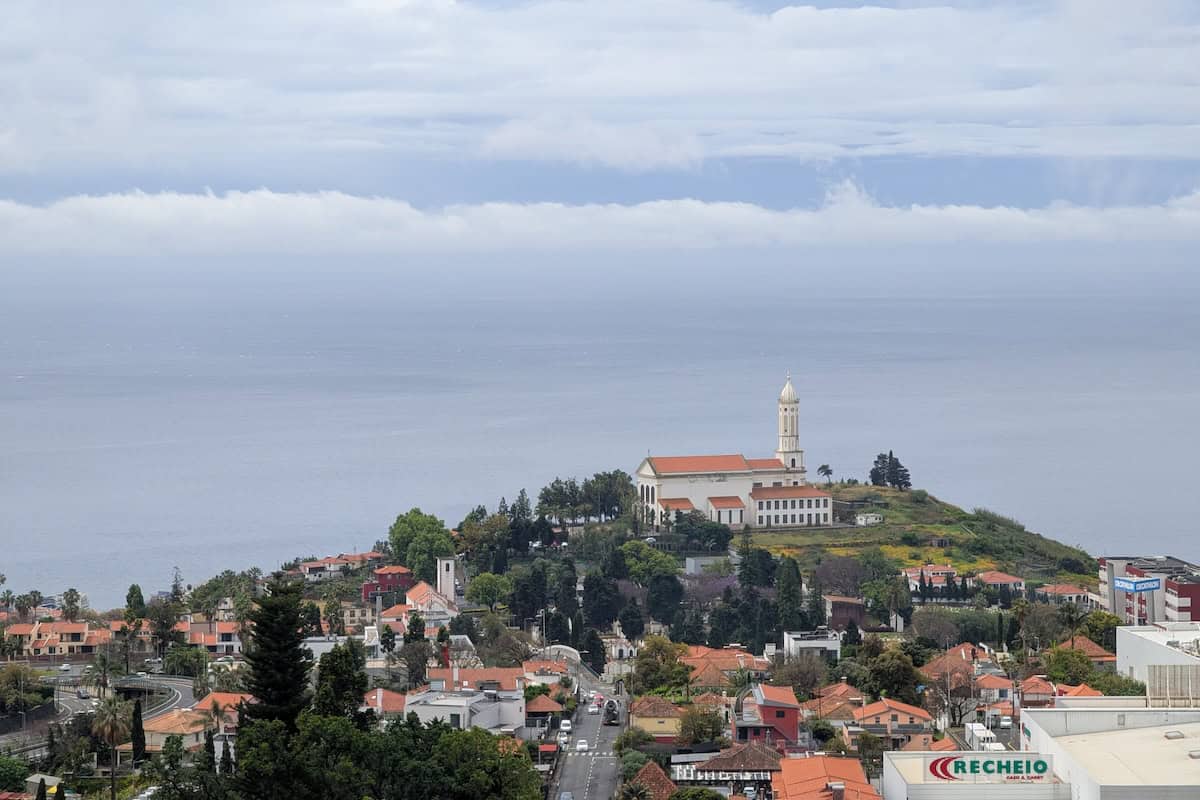
While cruising to Spain, a medical emergency onboard and an exciting, early-morning helicopter evacuation diverted our ship to Portugal. Instead of visiting the Canary Islands, we made our way to Madeira and spent a rainy day in Funchal.
A substitute excursion found us aboard a massive tour bus, threading our way through the city’s tiny streets to visit parks and mountain overlooks before ending at a local winery.

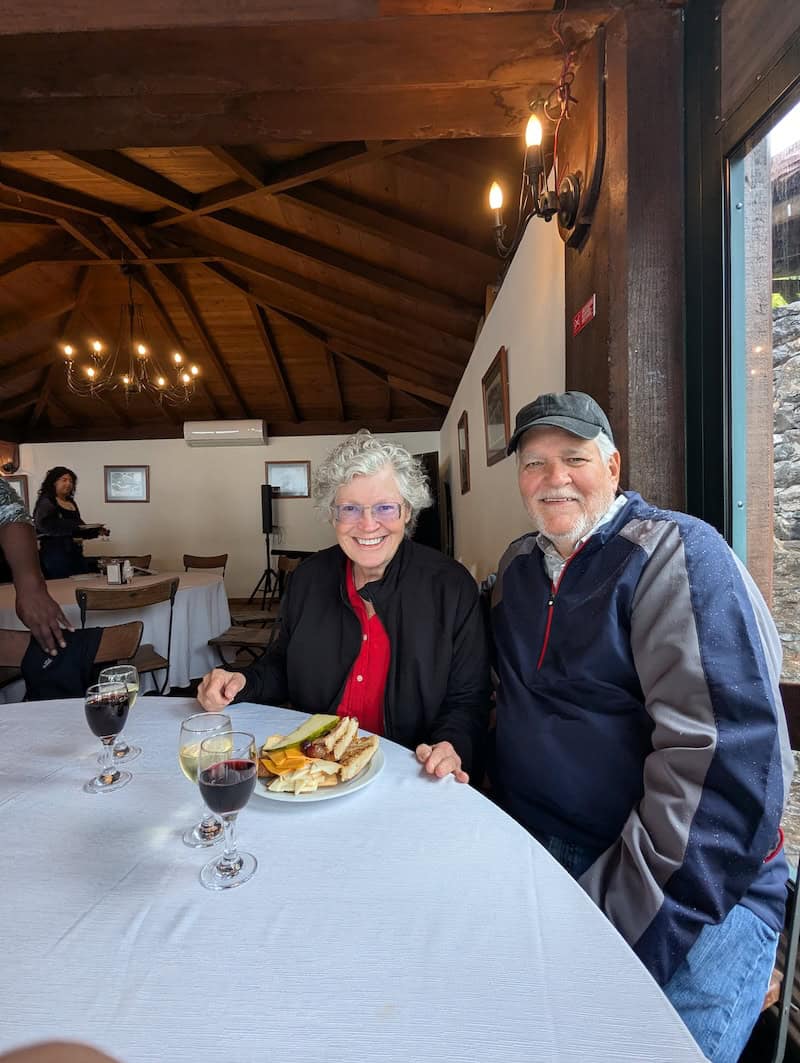
The Madeira wine caught the light like amber, and tasted faintly of aged wood. Paired with cheese and slices of fresh fruit, it was a welcome respite from the chilly, damp weather.
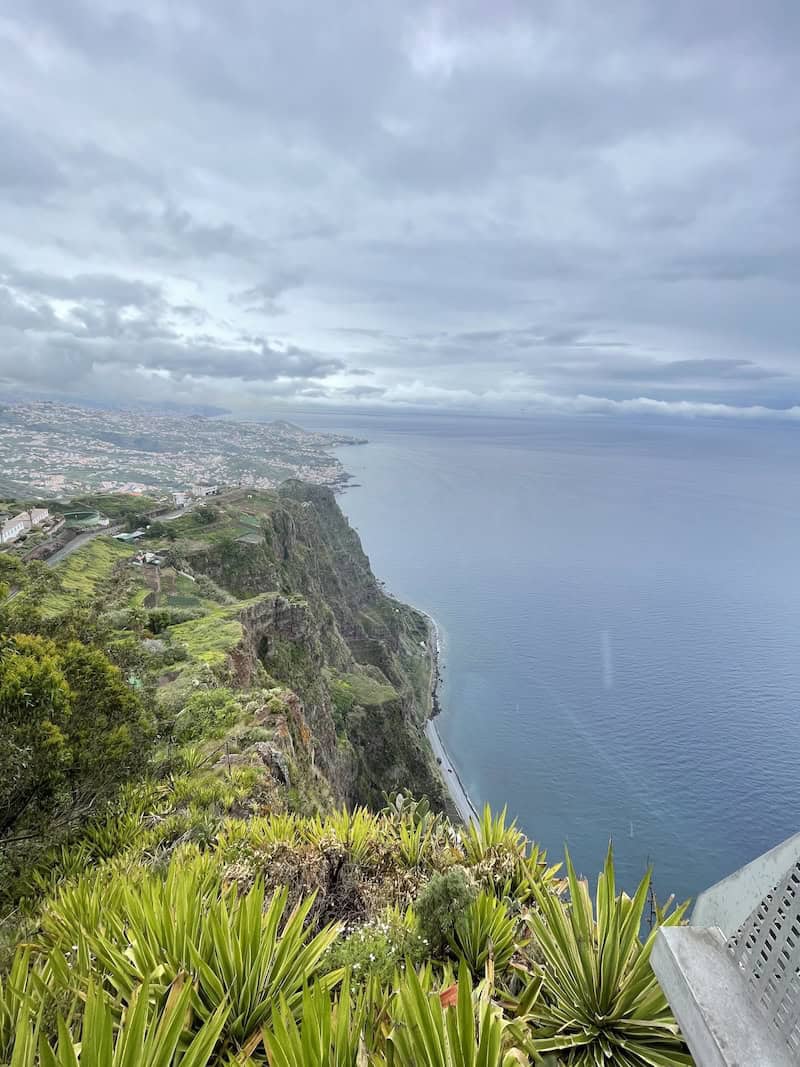
Madeira is a beautiful, steep volcanic island in the Atlantic. It is an autonomous region of Portugal, part of an archipelago located in the North Atlantic, about 500 miles southwest of mainland Europe. Portuguese adventurers made it their first stop during the Age of Discovery, which began in the 15th century.
Madeira is also difficult for habitation. Flat land is scarce, and rain doesn’t fall evenly. To farm the island, Madeirans had to solve a basic problem: how to move water from the northwest highlands to southern zones, where people settled and built farms and vineyards.
UNESCO describes the levadas of Madeira as a defining achievement. The levadas are narrow irrigation channels and aqueducts, many of them cut into mountainsides, carried along contour lines, and fed by gravity. These channels transport water for human use, agriculture, and hydroelectric power. Today, many levadas still carry water, while their maintenance paths have become scenic trails.
They pass through laurel forests, along cliffsides, beside waterfalls, and into agricultural valleys. If you’re considering a hike, consult a guide because some paths are easy and relaxing walks through the countryside, while other routes are narrow, crumbling ledges where a slip could mean injury – or worse.
Improvements were made to the levada trails following the February 2010 extreme weather event that caused flash floods and mudslides, killing 51 people and injuring 250. Around 600 people were left homeless.
But before they became routes for visitors, the levadas were working infrastructure.
The earliest levadas date to the second half of the 15th century, when the sugar industry expanded along the southern coast. The levada-water powered mills, irrigated fields, and slave labor turned the island into a major sugar producer. As agriculture changed, the system grew with it. UNESCO notes that the levada network expanded from sugar cane to winegrowing and later to bananas, becoming a central part of the island’s economic and agricultural life.
Madeira has produced wine since the late 1400s. Historical accounts connect early viticulture with Henry the Navigator, who encouraged cultivation on the island, including the planting of Malvasia grapes. Funchal’s position as a maritime port helped Madeira wine travel widely, especially during the Age of Exploration, when ships stopped at the island on voyages to the East Indies and the New World.
The wine became famous not only because it traveled, but because travel changed it. Barrels exposed to heat and motion during long sea voyages developed deeper, more complex flavors. What might have ruined another wine improved Madeira. Vintners learned to reproduce this effect on the island through controlled heating and aging. Today, Madeira wine is known for two principal aging traditions: estufagem, which gently heats fortified wine, and canteiro, a slower method in which casks age naturally in warm lodge spaces.
Madeira wine is a collaboration between forces that do not naturally cooperate: wet mountains and dry slopes, volcanic rock and fragile vines, oceanic humidity and careful pruning.
The levadas make this kind of agriculture possible, but are not easy to build. They required workers to cut channels into basalt cliffs, cross ravines, and tunnel through mountains. UNESCO’s description emphasizes the danger of this labor. Many lost their lives opening waterways through the escarpments.
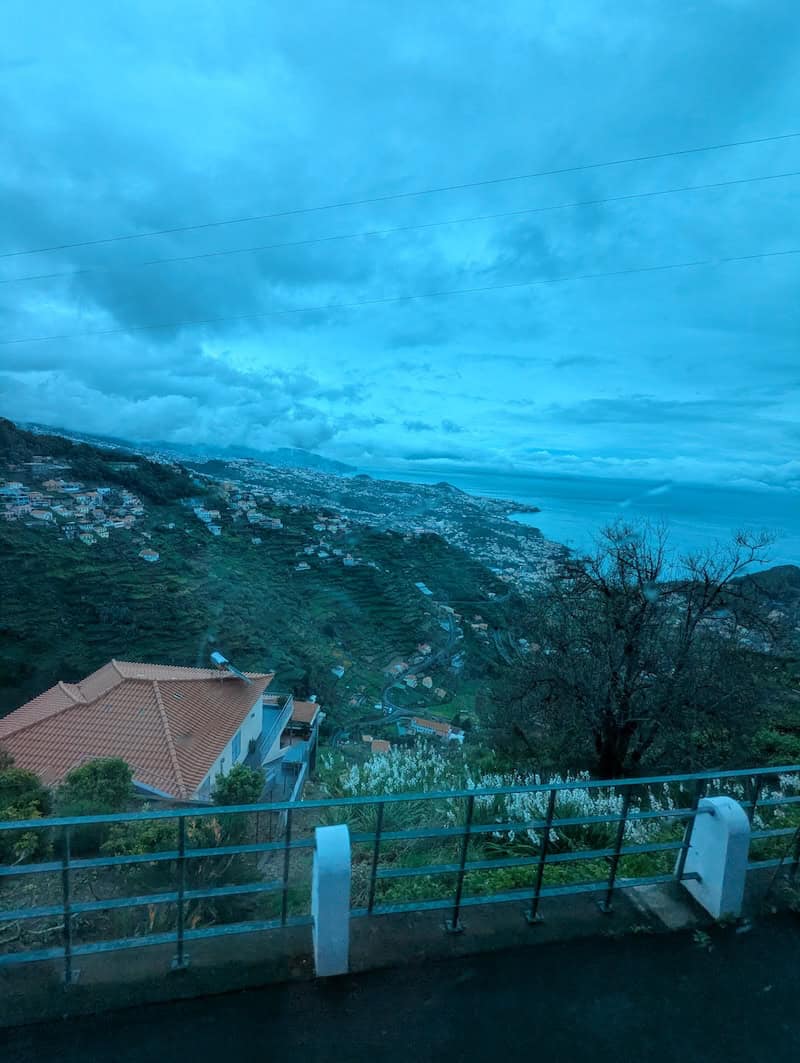
Water continues to move through the island in channels, passing farms, terraces, gardens, and villages. Our tour bus nimbly navigated the mountain roads of Madeira, once encountering a car on a sharp curve that refused to yield. Our vehicle was bigger, however, and the car’s driver finally backed down a steep slope so we could continue.
We witnessed the recent rain flow along the ridges to small farms where vines share space with potatoes, fruit, tobacco, flowers, or other crops. The island’s small-scale agriculture reveals that every level, or mostly-level, surface matters.
About the Authors
Robin Van Auken, MA, RPA, is the CEO of Hands-on Heritage. She is an anthropologist and registered professional archaeologist (National 15069). She specializes in working with communities, galvanizing individuals to contribute their memories, photographs, and artifacts to develop legacy projects. Through in-depth, sensitive interviews, she learns the important stories that connect people through time and space. Robin especially enjoys the challenge of hunting for historic photographs and artifacts that highlight America’s history. As a professional archaeologist, she has directed multi-year public cultural heritage projects, working with hundreds of volunteers and educating thousands of visitors.
Lance Van Auken retired in 2020 from Little League Baseball and Softball in Williamsport, PA, where he served as Vice President. While at Little League, he was liaison to The White House during President George W. Bush’s Tee Ball on the South Lawn initiative. As spokesman for Little League, he has been interviewed on the Today Show, Good Morning America, ESPN, MSNBC, PBS, and in hundreds of newspapers. Lance also served for 12 years in the U.S. Army Reserve as a Military Policeman and Journalist. He now enjoys traveling with his wife, Robin, and writing about it. Oh, and golf. He likes golf, but isn’t very good at it.
All images courtesy of the authors.
FOLLOW US ON INSTAGRAM


Information published on this website and across our networks can change over time. Stories and recommendations reflect the subjective opinions of our writers. You should consult multiple sources to ensure you have the most current, safe, and correct details for your own research and plans.