
Exploring Two of Europe’s Most Beautiful Cities by Train
Skip to Section
Travelling through Central Europe by rail is one of the easiest ways to move between major cities without dealing with airports or long transfers. Vienna and Prague sit close enough to pair in a single trip, yet each offers a distinct experience shaped by history, architecture, and daily life. The train journey between them is short and direct, and it fits naturally into a slower travel pace.
Rail Routes Across Central Europe

Photo by Haroon Ameer on Unsplash

Rail networks across Austria and the Czech Republic are well developed, with frequent connections between major cities and reliable schedules throughout the day. Routes linking Vienna, Prague, Budapest, and Bratislava are among the most commonly used, making it easy to plan multi-city itineraries without needing a car. Booking train tickets from Vienna to Prague is straightforward online, and most services include seat reservations as part of the fare. Travel times are consistent, usually around four hours, which makes the journey manageable even on a tighter schedule. Stations are centrally located, allowing you to step off the train and reach your accommodation quickly.
Starting in Vienna
Vienna is often the starting point for this route, partly because of its international flight connections and how easy it is to navigate on arrival. The city centre is compact, with most major sights located within or just outside the Ringstrasse, a circular boulevard that follows the line of the old city walls. Walking is the most practical way to explore the historic core, especially around St. Stephen’s Cathedral and the surrounding streets. Public transport, including trams and the U-Bahn, fills in the gaps for longer distances and runs frequently throughout the day. Vienna’s café culture plays a central role in daily life, with places like Café Central and Café Sperl offering a slower pace that fits well into a travel day. Meals tend to follow a structured rhythm, but there is flexibility if you prefer shorter stops. The overall atmosphere is calm and organised, which makes it a comfortable place to begin a trip. Spending two to three days here gives enough time to explore without feeling rushed.
Vienna’s Architectural and Cultural Context
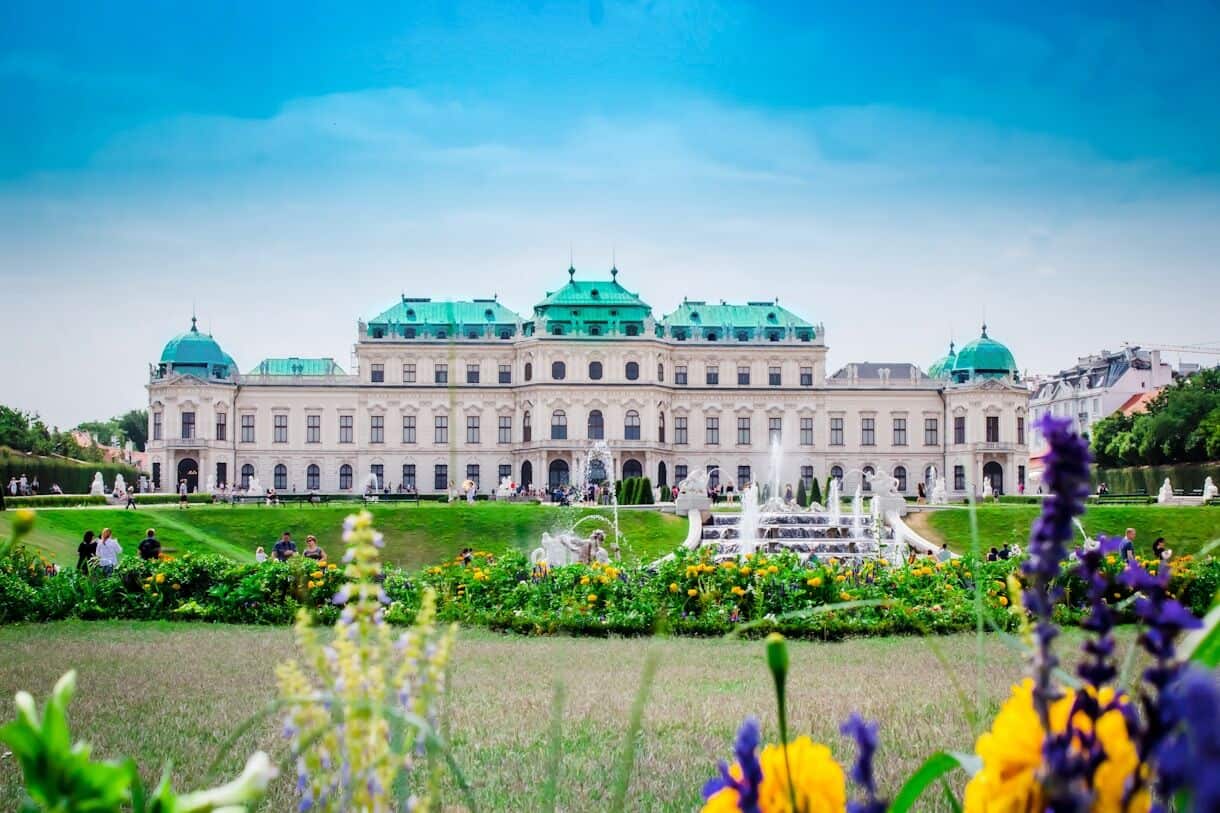
Vienna’s layout reflects its role as the centre of the Habsburg Empire, and much of the architecture dates from the 18th and 19th centuries. Buildings such as Schönbrunn Palace and the Hofburg complex show how the city functioned as both a political and cultural capital. Museums are concentrated in areas like the MuseumsQuartier, where several institutions sit within walking distance of each other. Music is part of the city’s identity, from large-scale opera performances to smaller concerts held in historic venues. Even without attending an event, references to composers and performances appear throughout the city. The Danube River runs to the north of the centre and offers a different perspective, especially in warmer months when outdoor areas become more active.
Planning the Journey to Prague
Before leaving Vienna, it is worth deciding on your preferred departure time and seat class, as both can affect how comfortable the journey feels. Services are operated by companies such as ÖBB and České dráhy, with departures spread evenly throughout the day. Booking a Prague to Vienna train in advance works in the same way if you are planning a return leg, and flexible tickets can make adjustments easier if your plans change. Standard class offers assigned seating and enough space for most travellers, while first class provides a quieter environment and slightly more room. Many trains include a dining or café carriage where you can buy food and drinks during the trip. The route passes through farmland, small towns, and sections of forest, offering a steady change in scenery. There are no visible border checks, so the journey feels continuous from start to finish. Travel time averages around four hours, making it long enough to relax but short enough to avoid fatigue. Arriving in the centre of Prague means you can continue your day without additional transfers.
Arriving in Prague
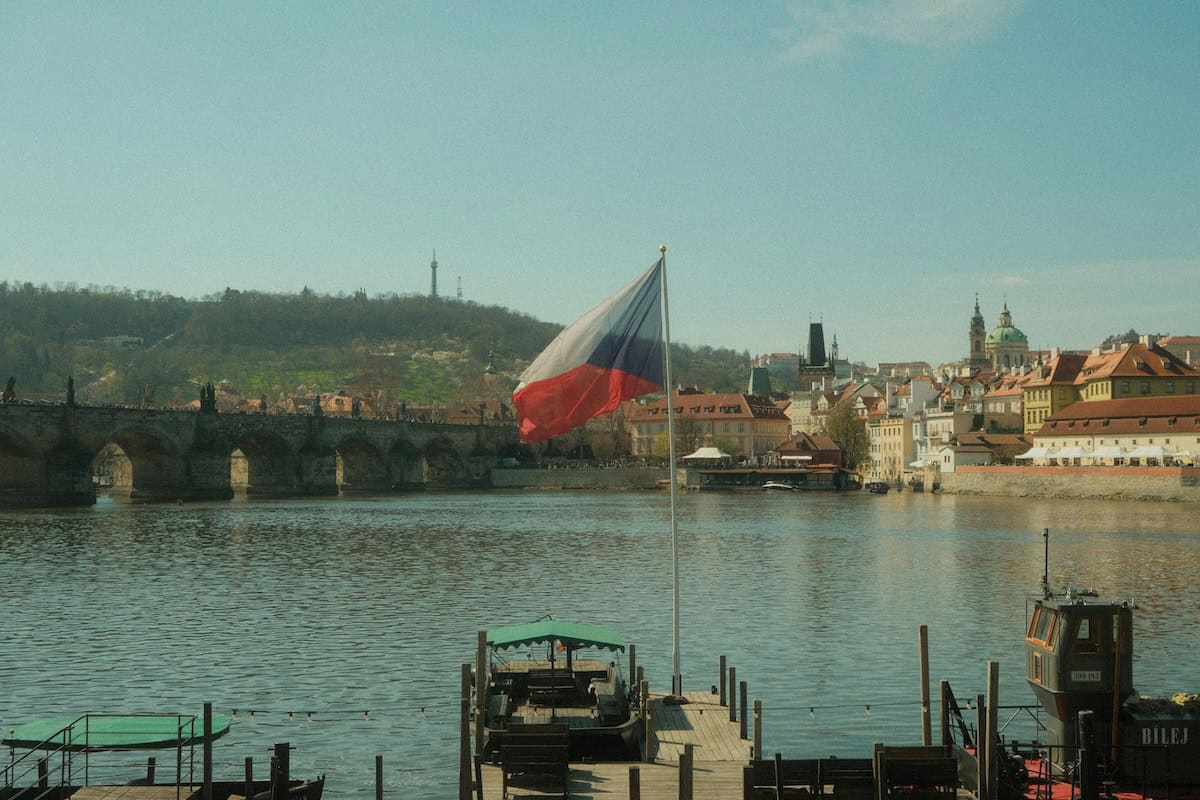
Photo by Niklas Bahe on Unsplash
Prague offers a different atmosphere from Vienna, with a more compact historic centre shaped by the Vltava River. The main station, Praha hlavní nádraží, sits just outside the old town and connects easily to trams and the metro. Many visitors choose to walk into the centre, which takes around 20 minutes and passes through Wenceslas Square. Streets here are narrower and less uniform, which can make navigation feel less structured but more visually engaging. The old town square and Charles Bridge act as focal points, though they are busiest during the middle of the day. Early mornings and evenings tend to be quieter and better suited to exploring. Accommodation is spread across the centre, with many options within walking distance of major landmarks. The city is compact enough that you can cover most areas without relying heavily on transport. This makes it practical for shorter stays.
Prague’s historic character
Prague’s architecture spans several centuries, from Gothic and Baroque to more modern additions, all within a relatively small area. Landmarks such as Prague Castle and St. Vitus Cathedral sit above the city and are visible from many points along the river. Crossing the Charles Bridge provides one of the most recognisable views, especially in the early morning when it is less crowded. The layout encourages walking, with frequent changes in elevation and viewpoints that open across the rooftops. Cafés and restaurants are integrated into older buildings, often with smaller interiors than those found in Vienna. Prices vary depending on location, with central areas generally higher. Public transport is available and efficient, but many visitors rely primarily on walking due to the city’s size. The atmosphere is slightly less formal than Vienna, with a mix of local life and tourism shaping the day. It feels dense but manageable.
Continuing or Returning
After spending time in Prague, you can either return to Vienna or continue further into Central Europe. Rail links connect Prague to cities such as Berlin, Budapest, and Kraków, making it a useful hub for onward travel. Vienna offers similar flexibility, with connections extending across Austria and into neighbouring countries. The consistency of rail services means you can plan additional routes without major changes to how you travel. Luggage handling remains simple, as you keep your belongings with you rather than checking them in. This reduces waiting time and simplifies transitions between destinations. Whether you retrace your steps or move forward, the experience remains predictable and easy to manage. It suits travellers who prefer a steady pace over tightly scheduled itineraries.
Conclusion
Travelling between Vienna and Prague by train combines ease with access to two cities that offer distinct but complementary experiences. The journey is short enough to fit into a wider trip, yet varied enough to feel worthwhile on its own. With reliable connections and central stations, it is one of the more practical ways to explore this part of Europe.
Featured image by Sami Ullah on Unsplash
FOLLOW US ON INSTAGRAM


Information published on this website and across our networks can change over time. Stories and recommendations reflect the subjective opinions of our writers. You should consult multiple sources to ensure you have the most current, safe, and correct details for your own research and plans.