
How To Experience The Real New York: 5 Authentic Local Secrets
By: Frayed Passport
Skip to Section
Most first-time visitors to New York see a version of the city that was built for them. Times Square, a bus tour, a $40 rooftop cocktail, a museum queue. It’s fine. It’s also about as representative of daily life here as an airport food court is of a country’s cuisine.
The good news is that the real city isn’t hiding. It’s mostly just outside the zone that guidebooks point at, and much of it costs less than what you’d pay to skip a line. Here are five places locals actually go.
1. Take a Trip to the Bronx

If you want to know what New York is, spend a day in the borough most visitors never reach.
Hip-hop started here, and the address is specific: 1520 Sedgwick Avenue in Morris Heights, where a back-to-school party on August 11, 1973, produced the sound that reshaped global music. The city co-named that stretch Hip Hop Boulevard in 2016, and the Hip Hop Museum is opening at Bronx Point in the South Bronx, the first brick-and-mortar institution dedicated to the culture.
There are plenty of places to visit in the Bronx, including Yankee Stadium and the New York Botanical Garden, which covers 250 acres and holds a Victorian glasshouse worth the trip on its own.
The one locals will tell you about is Arthur Avenue in Belmont, the neighborhood many New Yorkers consider the real Little Italy. The Arthur Avenue Retail Market has been operating since 1940, and the surrounding blocks are still full of bakeries, salumerias, and pasta shops selling to people who live nearby rather than to visitors with cameras.
2. Get to the Village Vanguard
Skip the velvet ropes of the Meatpacking District and go stand in line on Seventh Avenue South instead.
The Village Vanguard sits in a basement in Greenwich Village and has been open since 1935, though it wasn’t always a jazz room. For its first two decades it hosted poetry readings, folk singers, and comedy, and it only committed fully to jazz in the late 1950s. Since then it’s recorded more legendary live albums than any club in the world.
You walk down a steep flight of stairs into a wedge-shaped room with about 130 seats and tables barely big enough for two drinks. The acoustics are famous. So is the house rule about talking during sets, which is to say don’t. Book ahead, arrive early, and take a seat close to the stage if you can get one.
3. Ride the Ferry, Not the Cruise
New York’s skyline photographs badly from inside it. The best views are from the water, and the tourist cruises circling Manhattan know it and price their tickets to match.
The locals’ version costs almost nothing. The Staten Island Ferry runs 24 hours a day between Whitehall Terminal and St. George and has been free since 1997. It passes the Statue of Liberty at about 500 yards and gives you the full lower Manhattan skyline on the return leg. Sit on the right heading out, the left coming back. Anyone selling you a ticket near the terminal is running a scam.
For a different angle, NYC Ferry routes cost $4.50 a ride, slightly more than the $3.00 subway fare and a fraction of a sightseeing cruise. The Astoria route from Wall Street gives you roughly two hours of waterfront views for the price of two rides, and you’ll pass under or alongside the bridges connecting Manhattan, Brooklyn, and Queens.
If you do want a rooftop view instead, the Empire State Building is the classic, but you’re paying for it.
4. Spend an Afternoon at Socrates Sculpture Park
Museum admission in this city adds up fast. Socrates Sculpture Park costs nothing.
The four-acre site in Long Island City was an illegal dumping ground and abandoned landfill until a group of artists and neighbors cleared it out in 1986 and turned it into an outdoor studio and exhibition space. It still works that way. Large-scale contemporary installations rotate through, set against the East River with the Manhattan skyline behind them, and artists build much of the work on site.
It’s open year round, and the park runs free programming through the warmer months, including outdoor films and a farmers market. The Noguchi Museum is a five-minute walk away if you want to add a paid stop, and it’s one of the better small museums anywhere in the city.
5. Eat Your Way Along the 7 Train
Here’s a statistic that reframes the whole city: linguists at the Endangered Language Alliance have mapped more than 700 language varieties across New York, making it the most linguistically varied urban area in the world and probably in human history. Roughly a tenth of every language on earth is spoken within the five boroughs.
You can taste that concentration best in Queens. Ride the 7 train east from Manhattan and get off wherever the signage stops looking familiar. Jackson Heights gives you Himalayan momos, Colombian bakeries, and one of the best Indian grocery districts in the country. Elmhurst leans Thai and Indonesian. Flushing, at the end of the line, has a Chinese food scene that regional-cuisine obsessives fly in for.
Nothing here is dressed up for visitors, prices are reasonable, and the food is cooked for people who grew up eating it. That’s the whole point.
Before You Go
None of this requires special access or a fixer. It requires being willing to spend 40 minutes on a train to somewhere that isn’t on the postcard.
Give yourself one full day outside Manhattan and you’ll come home with a version of New York that most visitors never see, which is the one people who live here would actually recognize.
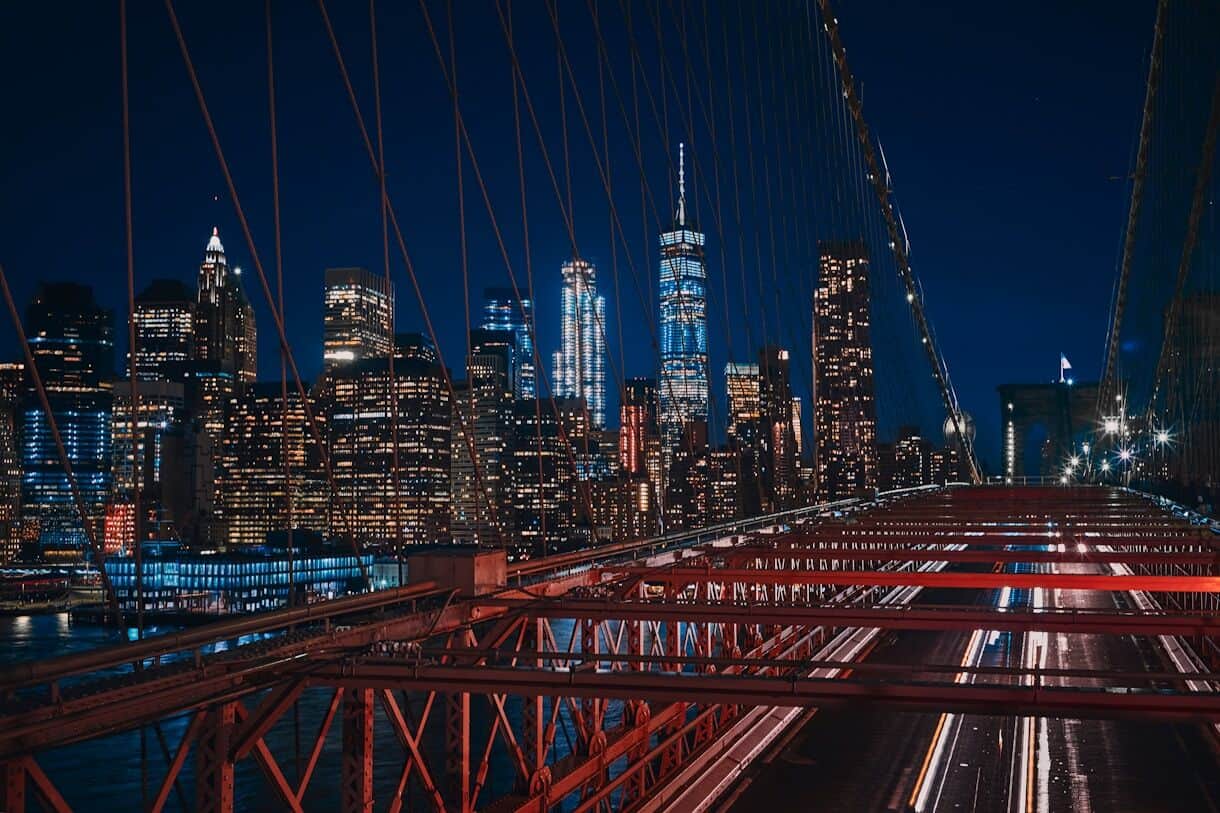
Featured image by Luca Bravo on Unsplash
FOLLOW US ON INSTAGRAM


Information published on this website and across our networks can change over time. Stories and recommendations reflect the subjective opinions of our writers. You should consult multiple sources to ensure you have the most current, safe, and correct details for your own research and plans.