
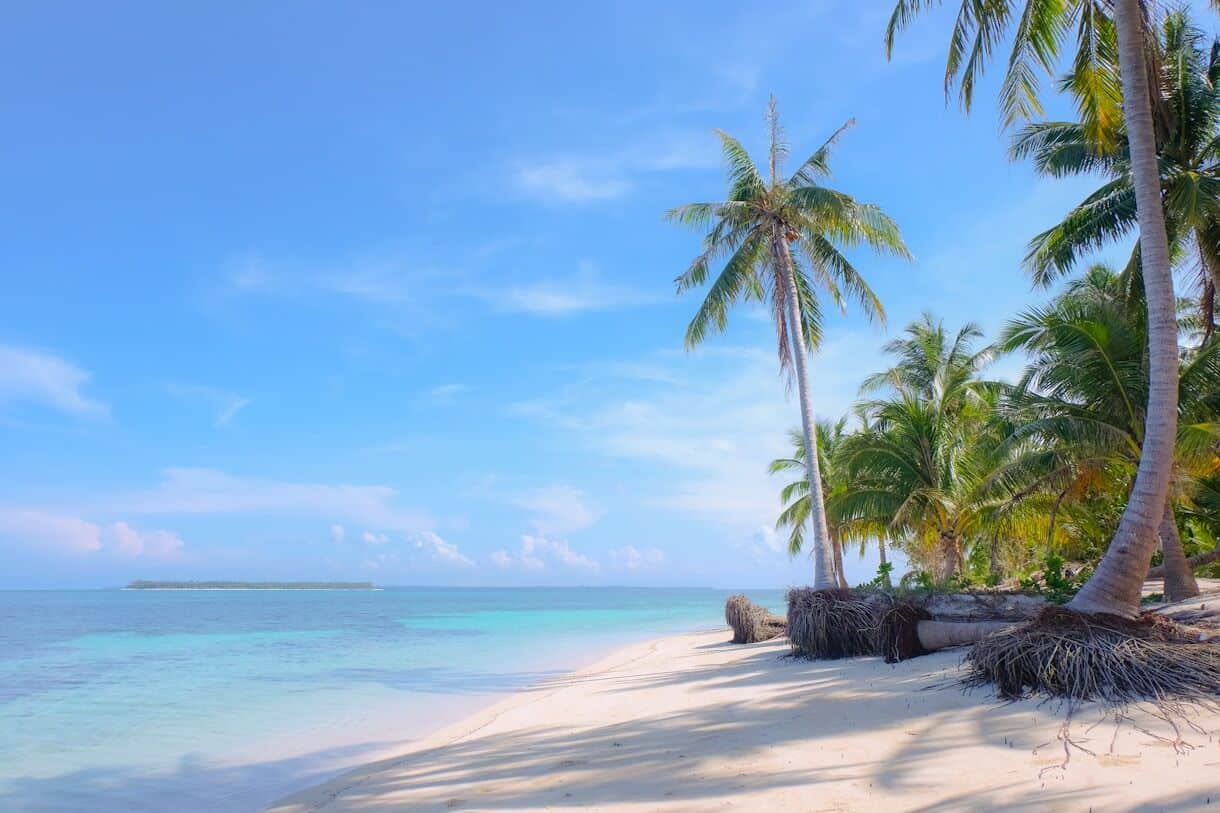
Making the Most Out of Your Holiday in the Philippines
Skip to Section
The Philippines is a destination that rewards travelers who plan carefully and frustrates those who don’t. It’s an archipelago of over 7,600 islands, which means almost no trip involves staying in one place the entire time. The transit between destinations is part of the experience, but it also means logistics matter more than in countries where you can hop on a single train and be somewhere new in two hours.
The country also has some real quirks that surprise first-time visitors: traffic in Manila that defies most assumptions about how cities should function, weather that varies dramatically by region, and an infrastructure level that ranges from world-class in some pockets to challenging in others. None of this should put you off going. The Philippines has some of the best beaches in Asia, food that’s having a real moment internationally, and a hospitality culture that’s genuinely warm in a way that’s hard to fake.

Here’s how to plan a trip to the Philippines that works.
Pick a Region and Commit
The instinct to see “the Philippines” in one trip is the source of most disappointments. The country is too spread out to do that well in less than three weeks, and even then you’ll be in transit a lot.
The realistic regions to choose from:
- Luzon, the largest island, which contains Manila, the rice terraces in the north, and the surf town of La Union. Best for travelers who want a mix of city, culture, and outdoor activities.
- The Visayas, the central island group. Cebu, Bohol, Siquijor, and the smaller islands in this region are the heart of the country’s beach and diving tourism. Best for a beach-focused trip.
- Palawan, the long western province. El Nido, Coron, and Port Barton are some of the most photographed destinations in the country, with limestone cliffs, lagoons, and reef diving. Best for a slow island-hopping trip.
- Mindanao, the southern island. Less visited by international tourists, with the surfing destination of Siargao as the main draw.
For a one-week trip, pick one region. For two weeks, you can stretch to two if you fly between them. Trying to do three is when the trip starts feeling like a logistics exercise.
Getting Around Is the Hard Part
Transportation is the single biggest planning challenge in the Philippines. Public transit infrastructure is limited compared to other Southeast Asian countries, and what exists isn’t always designed for travelers with luggage, kids, or strollers.
The main options:
- Domestic flights. Cebu Pacific, Philippine Airlines, and AirAsia operate extensive domestic networks. Flights are cheap and frequent, but cancellations and delays are common, especially in the rainy season. Book through reliable platforms and build buffer days between flights.
- Ferries. The country runs on ferries between the major islands. 2GO is the largest operator for long-distance routes. Fast craft for shorter island hops are operated by various companies, with varying reliability.
- Bus and van transport. Reasonable for trips within a single island but slow. Manila to Baguio, a 250-kilometer trip, takes six to eight hours by bus.
- Tricycles and jeepneys. The local transport options for short distances. Tricycles are motorbikes with sidecars; jeepneys are converted military jeeps that run fixed routes. Both are cheap and culturally part of the experience, but uncomfortable for long trips.
- Grab. The ride-hailing app, which works in major cities. Easier and more reliable than flagging taxis for most travelers.
A few practical notes:
- Most public transit isn’t stroller-friendly. If you’re traveling with young kids, plan to carry the stroller folded most of the time or use a baby carrier instead.
- Taxis don’t typically have car seats. If you need one, bring your own.
- Sidewalks in many cities are inconsistent or missing entirely. Walking with a stroller in central Manila is harder than it sounds.
- Traffic in Manila is genuinely some of the worst in the world. Budget two to three times the time Google Maps suggests for any trip during business hours.
Pick Hotels for the Region You’re In
What makes a good hotel in the Philippines varies dramatically by where you are. In Manila and the major cities, you want a well-located business hotel with reliable wifi and a pool. In El Nido or Coron, you want a beachfront resort with a tour desk that handles island-hopping logistics. In Siargao, you want something low-key and close to the surf breaks.
For families staying in Manila, the BGC (Bonifacio Global City) district is a smart choice. It’s the cleanest, safest, and most walkable part of the metro area, with good restaurants and shopping mostly in one compact zone. A hotel with kids swimming pool BGC gives you a base where everyone has something to do during downtime, which matters more than you’d think on a trip with kids. The pool, the breakfast buffet, and the proximity to malls and parks turn what could be a tough first or last few days into manageable ones.
For island stays, the calculation is different. Larger resorts come with more amenities (multiple restaurants, dive shops, kids’ clubs, spa services) but feel more isolated from local life. Smaller properties give you more contact with the surrounding area but expect you to do more of your own logistics. Both can work depending on the trip you want.
Supermarkets in major cities and tourist areas stock most things you might need, including baby supplies, sunscreen, and bottled water. Outside of tourist hubs, the selection drops quickly, so stock up before heading to remote islands.
Stay Hydrated and Manage the Heat
The Philippines is consistently hot and humid year-round, with temperatures in the low 30s Celsius (high 80s Fahrenheit) and humidity that can make it feel significantly hotter. Heat exhaustion sneaks up on travelers who don’t account for it.
Practical heat management:
- Drink more water than you think you need. Bottled water is cheap and widely available, and tap water is not safe to drink anywhere in the country, including for brushing teeth. Many hotels provide filtered water dispensers; refill from those rather than buying single-use bottles when you can.
- Build AC breaks into your day. Walking around for six hours in Manila or Cebu in July is unsustainable. Plan to be in air-conditioned spaces (museums, malls, hotels) during the hottest part of the afternoon.
- Bring sunscreen from home. Locally sold sunscreen is expensive and often lower quality than what’s available in Western countries. Reef-safe formulations are required in many marine protected areas.
- Wear sun protection on boats. Sunburn happens fast on the water, even on overcast days.
Plan Around the Weather
The Philippines has two seasons rather than four: dry (roughly November to May) and wet (June to October). The wet season brings typhoons, which can cancel flights, ferry routes, and entire trip plans. Pay attention to typhoon forecasts if you’re traveling between July and October, and build flexibility into your itinerary.
December through February is the most comfortable period, with lower humidity and less rain. March through May are the hottest months, and tourist crowds peak around Holy Week in March or April. The shoulder months of November and June are often the best combination of weather and crowds.
Different regions have different micro-climates. The east coast of the Philippines (including Siargao) gets weather earlier than the west, and southern destinations like Palawan are less typhoon-affected than the northern islands.
Mosquitoes and Health Precautions
Mosquitoes are present year-round and are most active at dawn and dusk. Dengue is endemic, and although the risk to any individual traveler is low, it’s worth taking sensible precautions.
The standard advice:
- Use DEET-based repellent, especially in the evening and near water.
- Wear light, long-sleeved clothing at dawn and dusk if you’re in a rural area or near a rice field.
- Sleep with windows closed or under a net in basic accommodation.
- Consult a travel doctor before the trip about vaccinations. Hepatitis A, typhoid, and Japanese encephalitis are sometimes recommended depending on the regions you’re visiting.
Pharmacies are widely available in cities and tourist areas. Bring any prescription medication you need from home, since specific brands may not be available locally.
The Food Is Amazing
Filipino food has been undersold internationally for decades, and the country is having a quiet culinary moment that’s worth taking advantage of. The cuisine pulls from Spanish, Chinese, Malay, and American influences, with a strong tradition of sour, savory, and rich flavors.
Dishes worth seeking out:
- Adobo, the national dish. Pork or chicken braised in soy sauce, vinegar, garlic, and bay leaves. Every region has its own version.
- Sinigang, a sour soup made with tamarind or other souring agents. Pork or shrimp sinigang are the standards.
- Sisig, chopped grilled pork (often the head and cheeks) served on a sizzling plate with citrus and chilies. A bar staple.
- Lechon, whole roasted pig. Cebu is considered the lechon capital, and it’s worth eating there if you’re in the region.
- Halo-halo, a layered shaved ice dessert with beans, jellies, fruit, and ube ice cream. Best in the heat of the afternoon.
- Pancit and lumpia, the noodle and spring roll dishes that show up at every celebration.
Street food is available but requires more caution than in some neighboring countries. Stick to busy stalls with high turnover, and use your judgment about cleanliness.
Cash and Payments
The Philippines runs on a mix of cash and digital payments. Major hotels, restaurants, and shopping in tourist areas accept cards. Outside of those, cash is king. ATMs are widely available in cities but can be limited or unreliable on smaller islands, so withdraw what you’ll need before heading to remote destinations.
GCash is the dominant mobile payment app, but it requires a local phone number to set up, which makes it less useful for short-term tourists. Most travelers will get by with cash and credit cards.
Tipping is appreciated but not as ingrained as in the US. Ten percent at restaurants is standard if a service charge isn’t already included. Round up for taxis and small services.
Happy Travels!
Featured image by Cris Tagupa on Unsplash
FOLLOW US ON INSTAGRAM


Information published on this website and across our networks can change over time. Stories and recommendations reflect the subjective opinions of our writers. You should consult multiple sources to ensure you have the most current, safe, and correct details for your own research and plans.