
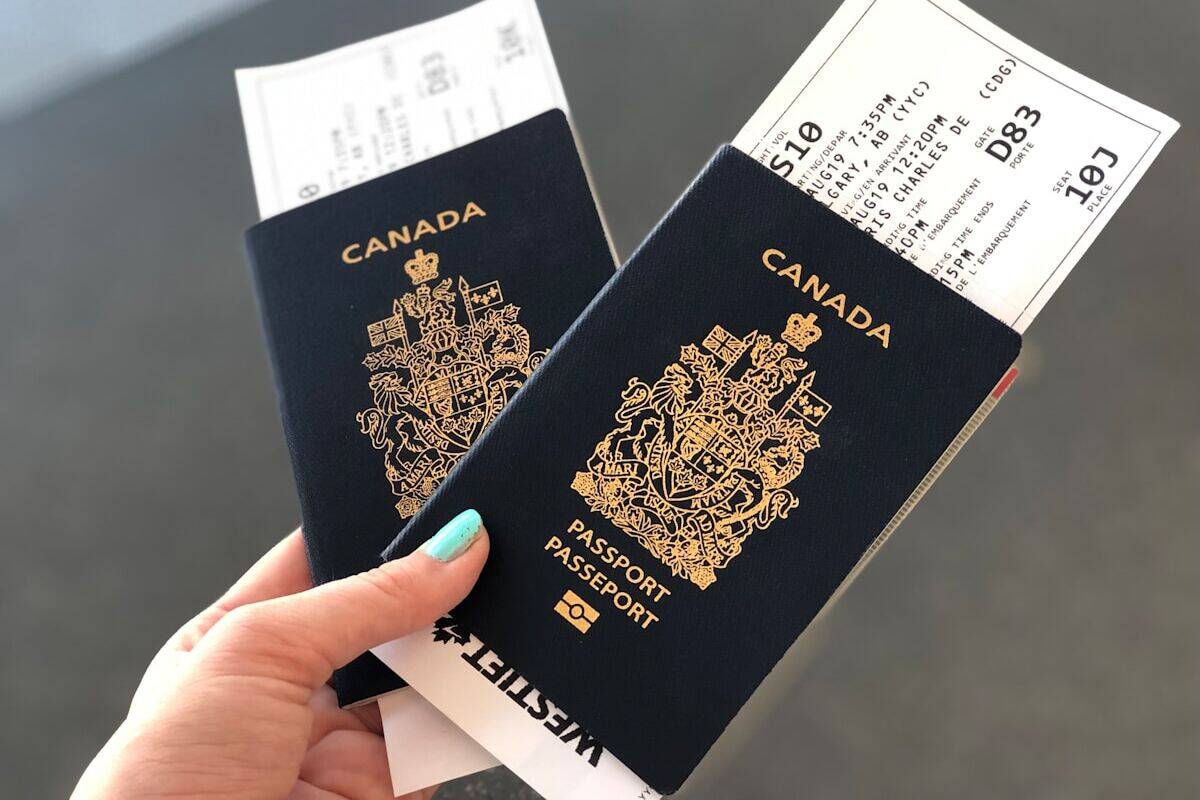
Do You Need to Print Boarding Passes, or Will Digital Copies Always Work?
By: Mike Coleman
Skip to Section
Digital boarding passes are the standard at most major airports and airlines in 2026. However, “most” isn’t “all,” and certain geopolitical regulations or technological shifts still make paper a necessity. Here is when you can go fully digital and when you’ll want a physical backup.
When Digital Boarding Passes Work
Most major airlines – including American, Delta, United, Southwest, JetBlue, and Alaska – support mobile boarding passes at nearly every U.S. airport. You check in via the airline’s app, save the pass to your device, and scan the QR code at security and the gate.

Digital passes offer a distinct advantage: real-time updates. When your gate changes or a flight is delayed, the pass in your digital wallet typically updates automatically, keeping you up to date.
When You Need a Paper Boarding Pass
Several specific scenarios still require physical paper, and arriving without it can result in significant delays or unexpected fees.
- International Travel Requirements: Some countries require physical stamps from immigration or security. The Philippines often requires a stamp for departure, and several airports in India still mandate paper for security validation.
- Specific National Policies: Many airports in Morocco (such as Agadir and Marrakech) and Turkey (Antalya and Bodrum) still do not accept digital passes for international departures due to local security protocols requiring manual verification stamps.
- The “Albania-UK” Exception: While Tirana (TIA) now accepts digital passes for Schengen Area flights, many flights departing Albania for the United Kingdom still require a printed pass for document-check verification.
Budget Airline Policies
Budget carriers have become increasingly strict to drive app adoption:
- Ryanair: In late 2025, Ryanair transitioned to 100% digital boarding passes for the majority of its network. However, if you fail to check in online before arriving at the airport, you will now face a check-in fee.
- App-Only Requirements: Many budget carriers no longer allow you to use a generic PDF or a “Wallet” pass; they require you to use their proprietary app to display the code.
Dynamic QR Codes
A major shift recently is the adoption of Dynamic QR Codes by several airlines to prevent fraud and ticket scraping. These codes refresh every 15 to 60 seconds – similar to a banking security token.
Important Note: If your airline uses dynamic codes, a screenshot will not work at the gate. You must have the live app open and a working data connection, or have the pass saved locally within the airline’s app.
Technology Failures
Despite advancements, technology can still fail. Phones can run out of battery, screens can crack (making them unreadable by scanners), and airport Wi-Fi can be notoriously unreliable. Carrying a paper backup remains the only 100% fail-safe method for high-stakes travel.
The Future: Biometrics and DTCs
The industry is moving toward pass-free travel. By 2030, the International Civil Aviation Organization (ICAO) aims for widespread adoption of Digital Travel Credentials (DTC).
- Biometric Boarding: Airports in Dubai, Singapore, and several U.S. hubs are already using facial recognition as a boarding pass.
2026 Best Practices for Travelers
- For Domestic U.S. & EU Schengen Flights: Digital passes are highly reliable. Ensure your phone is charged and the pass is added to your Apple or Google Wallet.
- For International Travel to Morocco, Turkey, or Asia: Always print a paper copy. The risk of a “Paper Only” requirement remains high in these regions.
- Check for Dynamic Codes: If your boarding pass QR code has a moving blue line or a countdown timer, do not rely on a screenshot.
- The PDF Backup: If you don’t want to print, at least save a PDF version of your boarding pass in your phone’s files (not just the app). This allows you to access it even if the airline app crashes or requires a login you can’t perform without Wi-Fi.
- Carry a Power Bank: In a digital-first world, a dead phone is the same as losing your ticket.
About the Author
Mike is a writer who researches and shares actionable advice around travel lifestyle, finance, and personal growth. He loves any trip where he can explore the great outdoors, and believes everyone should be able to experience travel for personal development and fulfillment. Read his other articles on Frayed Passport here.Featured image by Jaimie Harmsen on Unsplash
FOLLOW US ON INSTAGRAM


Information published on this website and across our networks can change over time. Stories and recommendations reflect the subjective opinions of our writers. You should consult multiple sources to ensure you have the most current, safe, and correct details for your own research and plans.