
Bucket List Experiences That Make Kenya a Dream Destination
By: Mike Coleman
Skip to Section
Kenya is one of the few destinations in the world that delivers across multiple types of travel – wildlife, coastline, mountains, culture, and city life – without any one of those feeling like an afterthought. If you’re building a bucket list, this country belongs near the top.
The landscapes are otherworldly
Kenya’s terrain covers an extraordinary range in a relatively compact area. The central highlands are dominated by Mount Kenya, the country’s highest peak and a popular mountaineering destination, with routes ranging from multi-day technical climbs to more accessible hiking trails that still give you amazing views.

Further south, Hell’s Gate National Park has something unusual even by Kenyan standards: volcanic gorges, geothermal activity, and tall cliffs that you can explore on foot or by bike rather than from a vehicle. It’s one of the few Kenyan parks where you’re not confined to a game drive, which makes it a different kind of experience.
The Rift Valley cuts through the country north to south and has some of the most geologically dramatic scenery on the continent, including a chain of lakes – among them Lake Nakuru, known for its flamingo populations and resident rhinos.
The coast is an underrated experience
Most visitors to Kenya head straight inland for safaris, meaning the Indian Ocean coastline stays considerably quieter than it deserves to be. The beaches along the south coast around Diani and the north coast near Watamu have white sand, warm water, and far fewer crowds than you’d find at comparable coastal destinations elsewhere.
Beyond the beaches, the coast has its own distinct culture shaped by centuries of Swahili, Arab, and Portuguese influence. Mombasa’s Old Town is the most accessible example – a dense, walkable historic district where the architecture, food, and street life share a very different history from the interior of the country. The Lamu Archipelago, a UNESCO World Heritage site to the north, takes that further: a largely car-free island town where the pace of life hasn’t changed much in centuries.
Underwater, the Kisite-Mpunguti Marine Park near Shimoni has some of East Africa’s best snorkeling and diving, with dolphin watching a reliable addition to most boat trips in the area.
The safaris cannot be missed
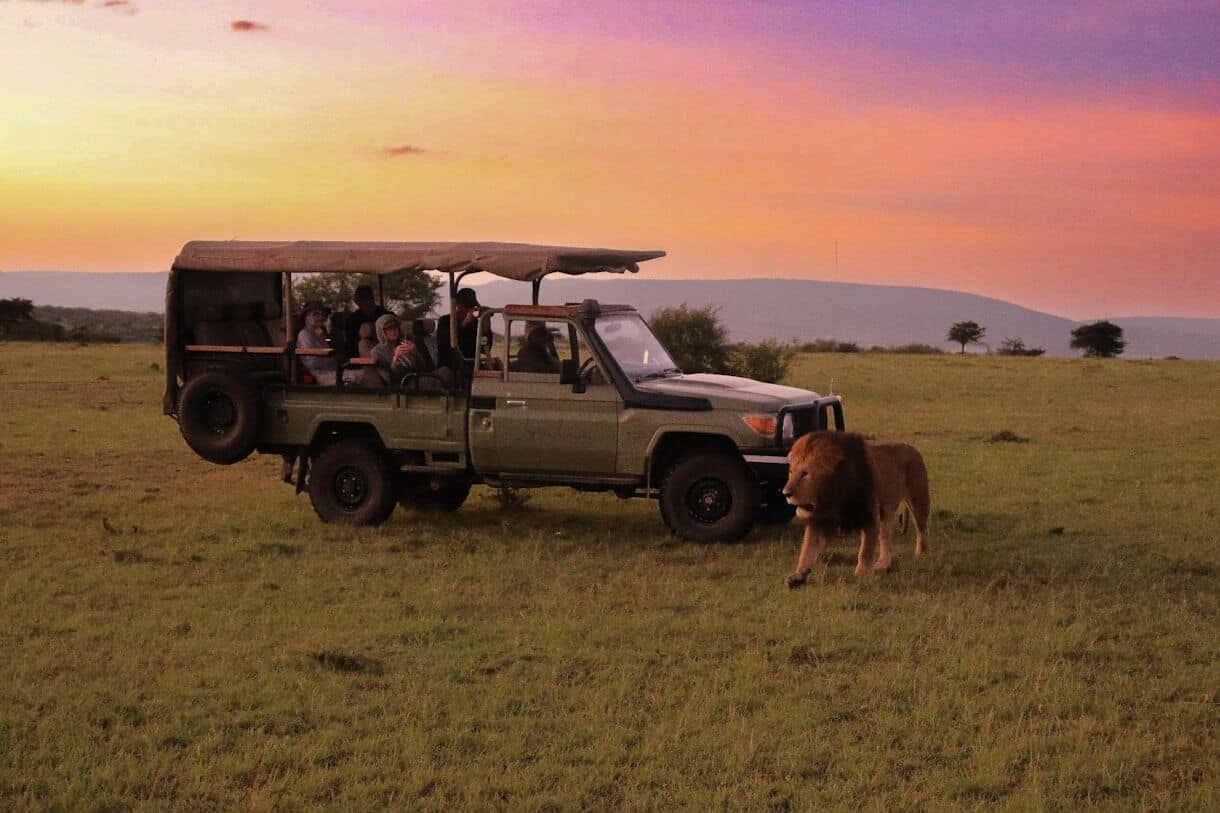
Kenya earned its reputation as a world-class safari destination for good reason. The Maasai Mara National Reserve is the centerpiece, and the annual Great Migration – when millions of wildebeest, zebra, and gazelle cross from the Serengeti into the Mara between July and October – is one of the most extraordinary wildlife events on Earth. The river crossings, where animals navigate crocodile-filled water in enormous numbers, are an absolute must-see.
Outside of migration season, the Mara still delivers some of the most consistent Big Five sightings in Africa. Lion, leopard, elephant, buffalo, and rhino are all present, and the open savannah landscape makes spotting considerably easier than in more heavily forested parks.
For a different experience, Amboseli National Park in the south has large elephant herds against the backdrop of Kilimanjaro across the Tanzanian border – a combination that results in some of the most photographed wildlife images in the world. If you’re interested in something a little different, beach safaris let you explore ecosystems that most tourists miss. Samburu National Reserve in the north is worth the extra travel time for its endemic species you won’t find in southern Kenya, including the reticulated giraffe and Grevy’s zebra.
The cultural experiences aren’t for surface-level tours
Kenya has over 40 ethnic groups, and several of them actively welcome visitors into their communities in ways that go considerably deeper than a performance put on for tourists.
The Maasai are the most internationally recognized, and while Maasai village visits have become a standard feature of many safari itineraries, a well-organized, community-led visit still gives you insight into a way of life that has maintained its core traditions despite significant outside pressure. The same applies to the Samburu in the north.
The Lamu Cultural Festival, held annually on Lamu Island, is one of East Africa’s most significant cultural events, bringing together Swahili traditions through dhow racing, donkey races, and traditional music over several days.
Nairobi has more than meets the eye
Nairobi gets treated as a transit point by many visitors, which is a mistake. The city has a truly interesting food scene, a growing contemporary art presence, and several museums worth a half-day each. The Nairobi National Museum covers Kenyan history, natural history, and art in reasonable depth, while the Karen Blixen Museum on the outskirts of the city draws visitors with an interest in colonial-era history and the landscape that inspired Out of Africa.
The Nairobi National Park sits on the southern edge of the city – the only national park in the world located within a capital city – where you can spot lion, giraffe, and buffalo against an incredible skyline.
For food, the Westlands and Karen neighborhoods have the highest groupings of good restaurants, with Kenyan, Ethiopian, Indian, and international options all well represented.
Ready to travel?
The best time to visit Kenya depends on what you’re prioritizing. For the Great Migration, aim for July through October. For general wildlife viewing and hiking, the dry seasons from late June to October and January to February offer the best conditions. The long rains in April and May make some roads difficult and certain parks less accessible, though this period also brings lower prices and fewer visitors.
Most nationalities require a visa to enter Kenya, which you can obtain through the eCitizen portal before departure. Yellow fever vaccination is required if you’re arriving from certain countries, and antimalarial medication is recommended for most itineraries. Check current requirements with your doctor and the relevant embassy well before travel.
About the Author
Mike is a writer who researches and shares actionable advice around travel lifestyle, finance, and personal growth. He loves any trip where he can explore the great outdoors, and believes everyone should be able to experience travel for personal development and fulfillment. Read his other articles on Frayed Passport here.Featured image by Meg von Haartman on Unsplash
FOLLOW US ON INSTAGRAM


Information published on this website and across our networks can change over time. Stories and recommendations reflect the subjective opinions of our writers. You should consult multiple sources to ensure you have the most current, safe, and correct details for your own research and plans.