
Calming Locations That Prove a Trip to Asia Doesn’t Have to Be Hectic
By: Mike Coleman
Skip to Section
Asia’s reputation for crowds comes from a handful of well-known cities: Tokyo’s 37 million people, Mumbai’s density, Taipei’s night markets…those cities dominate travel coverage, and they leave a lot of travelers with the impression that the entire continent is one continuous rush.
That impression is wrong, of course! Asia is the largest continent on Earth, and its major cities take up just a small part of it. Beyond those huge metropolises, you’ll find mountains, islands, river valleys, small towns, and so much more.

Here are seven destinations in Asia that work well for travelers who want a quieter trip.
Baa Atoll, Maldives
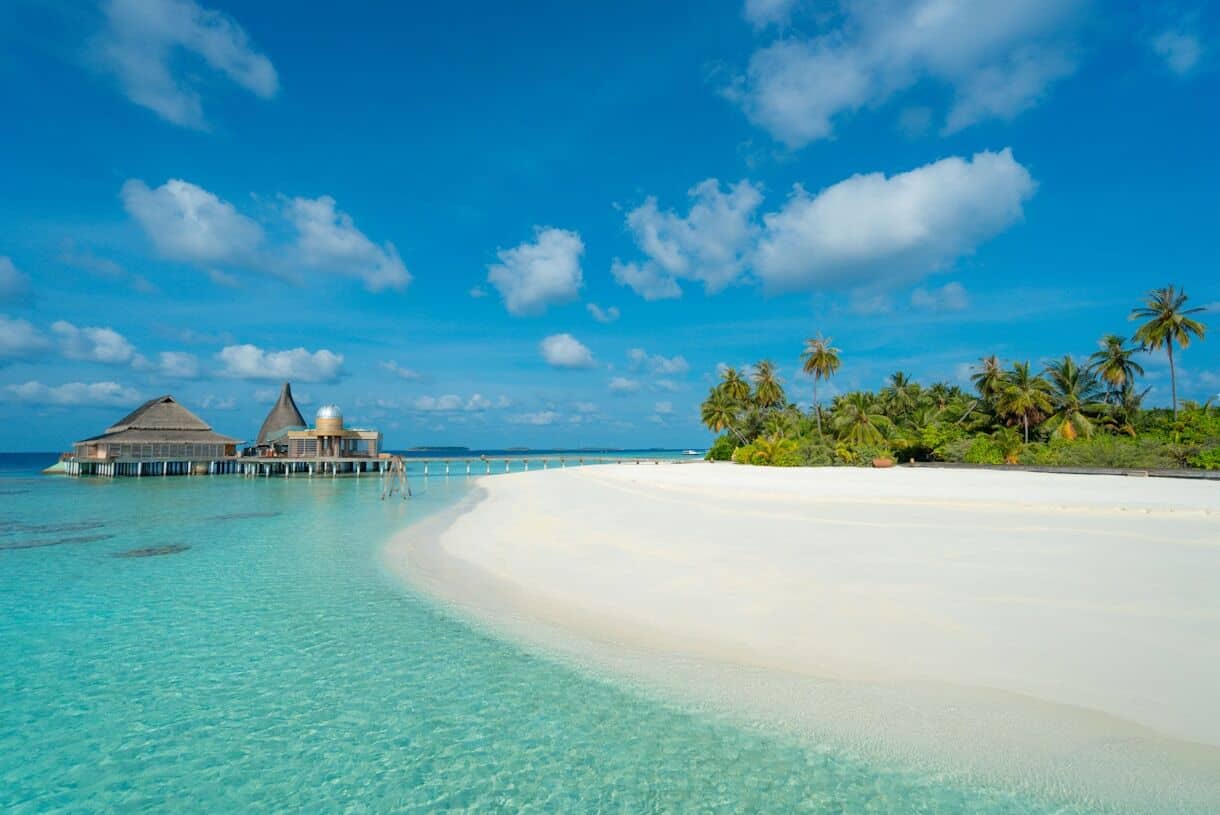
Photo by Matheen Faiz on Unsplash
Baa Atoll sits in the northwest of the Maldives, and is reachable only by seaplane or speedboat from Malé, which limits casual traffic. The atoll has a population of about 10,000 to 12,000 people across 13 of its 75 islands. The other 62 are uninhabited. UNESCO designated Baa as a Biosphere Reserve in 2011.
Hanifaru Bay is the marine highlight, with manta rays and whale sharks sighted during the plankton bloom season from May through November. Outside of that activity, the atoll is perfect if you’re selecting a luxury resort, most of which occupy their own islands and operate at low occupancy. Expect higher prices than other parts of the Maldives, with a typical mid-range overwater villa starting around $800 per night.
Yunnan Province, China
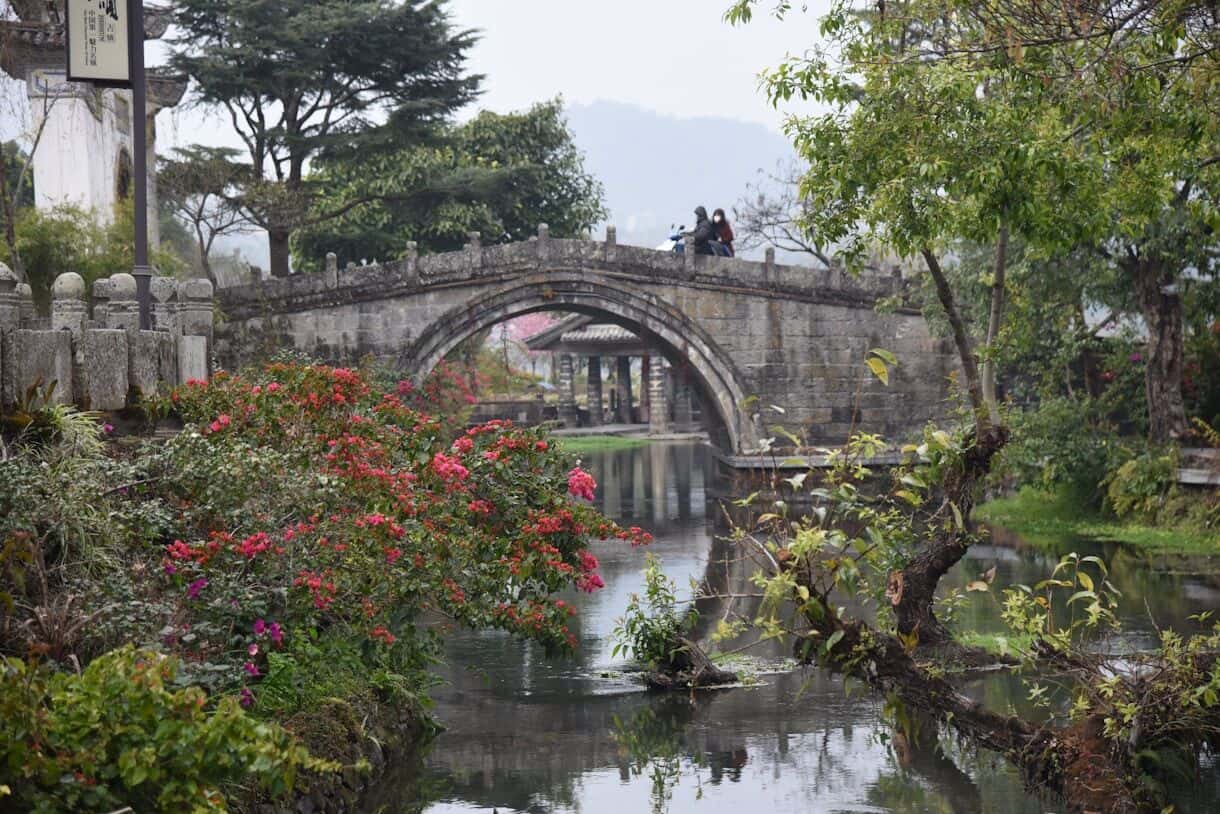
Yunnan in southwestern China borders Myanmar, Laos, and Vietnam. The province has more geographic and ethnic diversity than many other parts of the country, ranging from subtropical valleys to Himalayan foothills, and is home to 25 of China’s 56 recognized ethnic groups.
Yubeng is a Tibetan village of about 190 people at the base of Meili Snow Mountain. It’s reachable only on foot or by mule via a multi-hour trek, which keeps numbers low. Lijiang Old Town is a UNESCO World Heritage site with traditional Naxi wooden architecture; early mornings are the best time to walk it before day-trippers arrive from Kunming. Nearby, Blue Moon Valley and Jade Dragon Snow Mountain are the standard natural sights, best visited in April-May or October to avoid peak domestic tourism. There is no end to fantastic, calming destinations to enjoy during your time here.
Yunnan also grows much of China’s tea, including pu’er, and the regional cuisine relies heavily on mushrooms, rice noodles, and wild herbs.
Koh Kood, Thailand
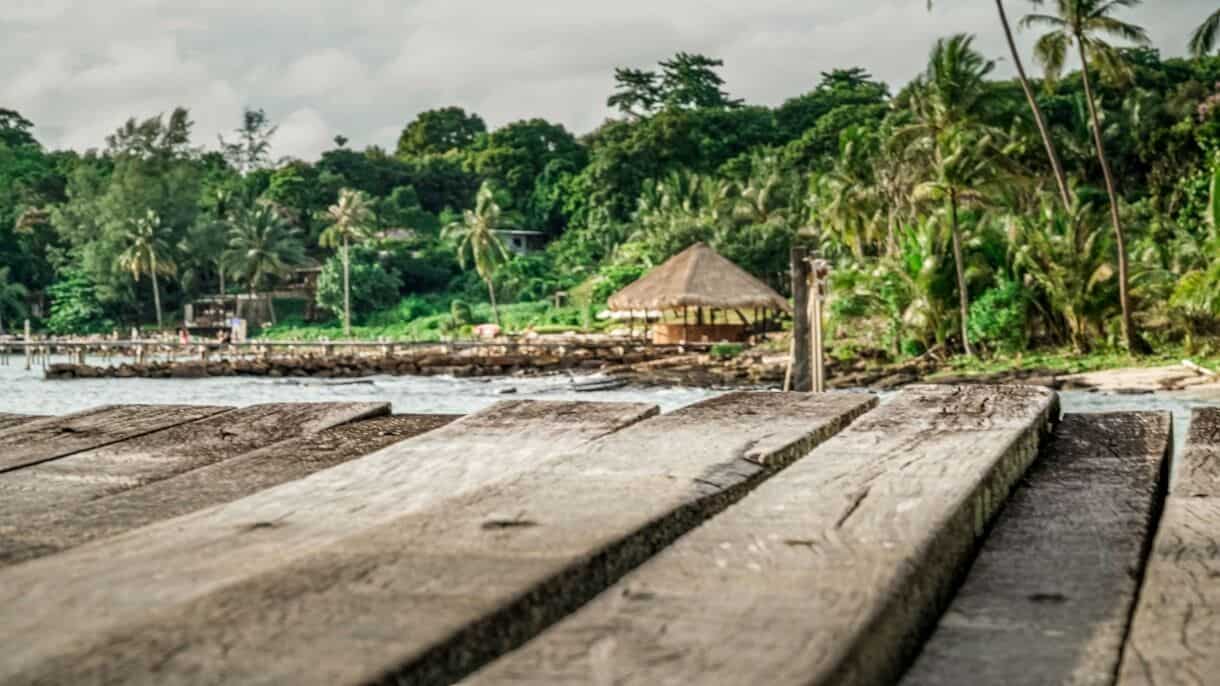
Photo by David Gardiner on Unsplash
Koh Kood is Thailand’s fourth-largest island, located in Trat Province near the Cambodian border. There’s no airport on the island. Access is by high-speed ferry from Laem Sok pier, a roughly one-hour trip. The island has stayed largely undeveloped, with no major resort chains and limited road infrastructure.
Ta Pho Beach is one of the less-trafficked stretches of coastline. Khlong Chao Waterfall is a short hike inland with swimmable pools at the base. Ao Salat, a working fishing village on the northeast coast, has traditional stilted houses and a small but functional commercial fishery.
Accommodation ranges from basic beach bungalows to higher-end retreats, most of which have fewer than 50 rooms. The rainy season runs from June through October, and many resorts close for part of that period.
Bhutan
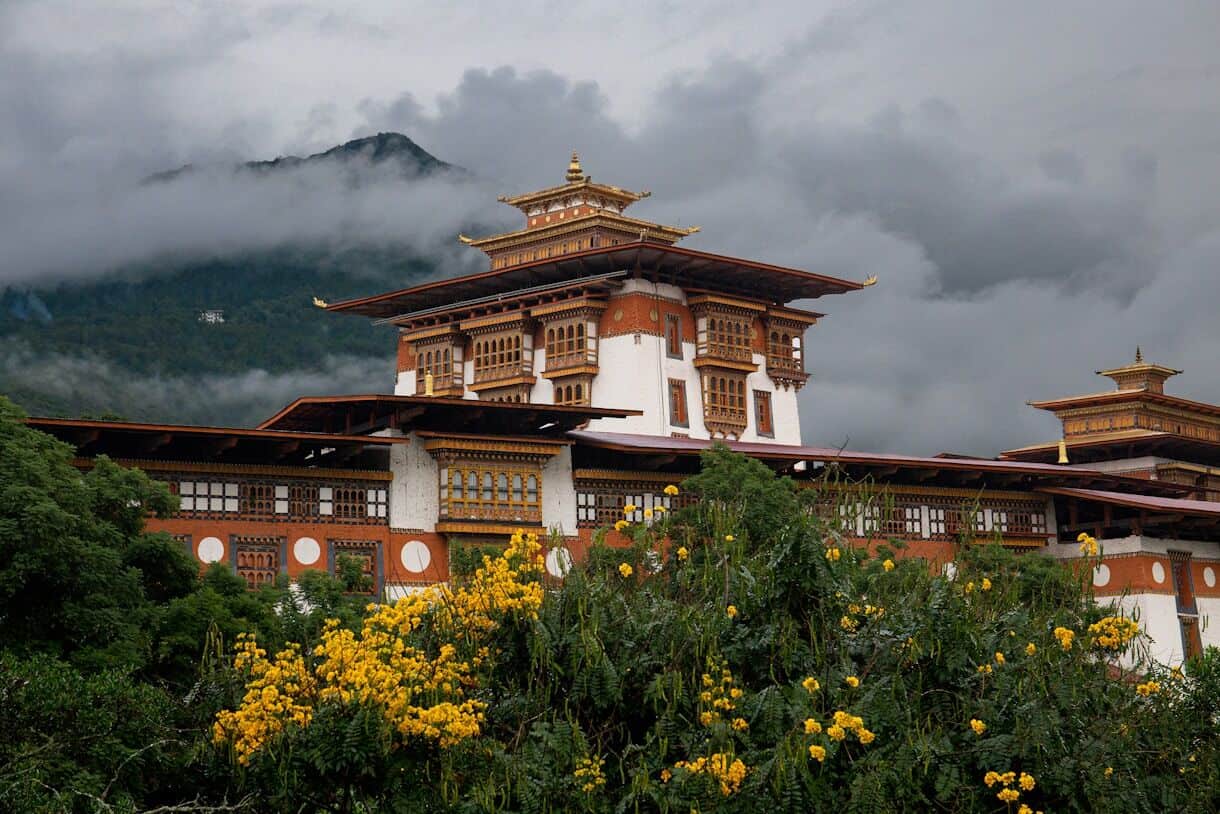
Photo by Raul Taciu on Unsplash
Bhutan operates under a low-volume, high-value tourism model. The government charges a Sustainable Development Fee of roughly $100 per day per visitor (lower for children and certain regional travelers), which limits visitor numbers and funds infrastructure and conservation.
Standard itineraries combine cultural sites in the Paro and Thimphu valleys with multi-day hikes. The hike to Tiger’s Nest Monastery, located on a cliff 3,000 feet above the Paro Valley floor, is the most photographed sight in the country. Thimphu is notable for being the only world capital without traffic lights. The Druk Path Trek between Paro and Thimphu is a five-day route through alpine terrain that sees far less traffic than Nepal’s main trails.
Most independent travel requires booking through a licensed Bhutanese tour operator, which is a regulatory requirement rather than a recommendation.
Ishigaki and the Yaeyama Islands, Japan
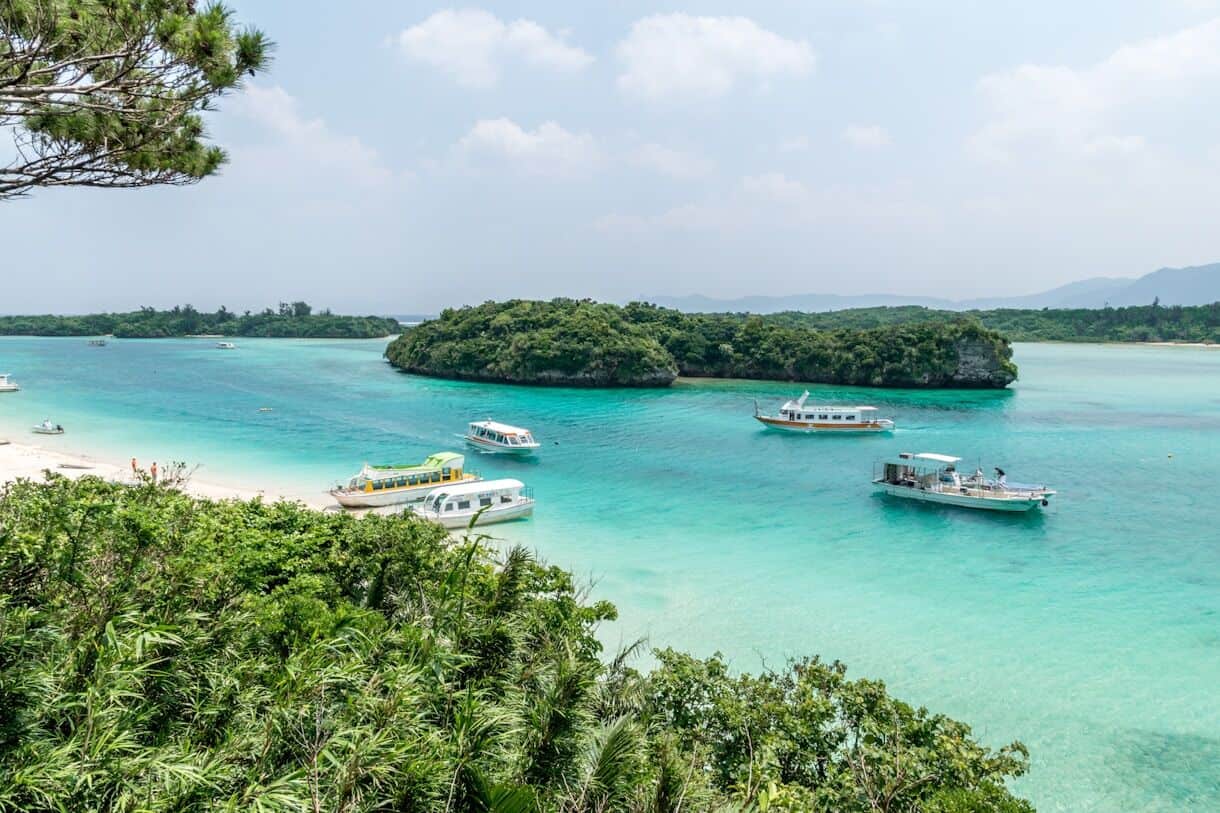
The Yaeyama Islands sit roughly 1,250 miles southwest of Tokyo, in Okinawa Prefecture. Ishigaki is the main hub and has an airport with direct flights from several mainland cities, with onward ferries connecting to the smaller islands in the chain.
Taketomi is small enough to circle by bicycle in a few hours, with traditional Ryukyuan houses and water buffalo cart tours as the main attractions. Iriomote is roughly 90 percent jungle and home to the endangered Iriomote cat; kayaking through mangrove rivers is the primary activity. Coral reefs throughout the region are among the best in Japan, with warm water temperatures suitable for swimming most of the year.
Okinawan cuisine differs significantly from mainland Japanese cooking. Pork, tropical fruit, awamori liquor, and goya champuru are regional staples.
Tea Country, Sri Lanka
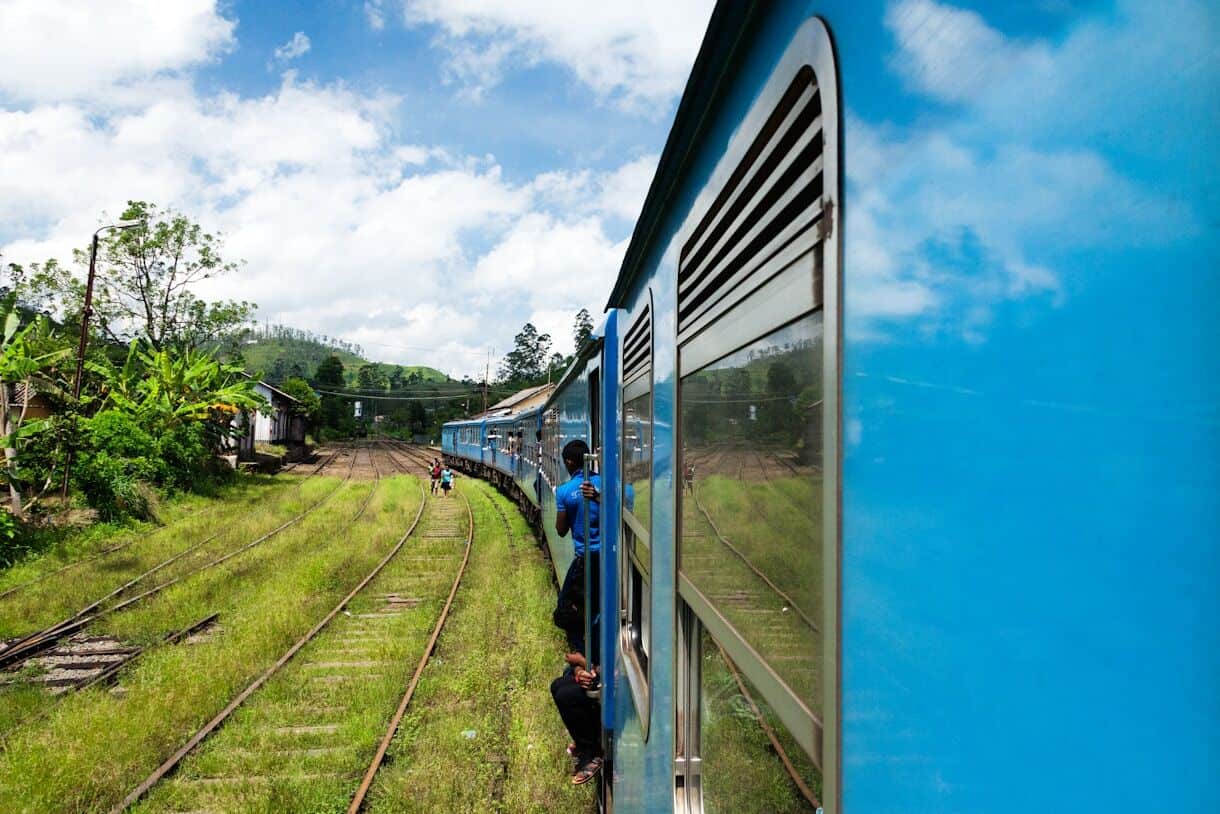
Photo by Rowan Heuvel on Unsplash
The central highlands of Sri Lanka, around Ella, Nuwara Eliya, and Hatton, sit at elevations of 4,000 to 6,000 feet. The temperature stays mild year-round, and you’ll find many tea plantations here, many of which date to the British colonial period.
The train ride from Kandy to Ella is one of the most photographed in the world: a seven-hour journey through cloud forest and terraced hills. The right side of the train heading south has the better views. Hikes near Ella include Little Adam’s Peak (a short walk suitable for most fitness levels) and the Nine Arches Bridge (a colonial-era railway viaduct).
Many of the old planters’ bungalows on working tea estates now operate as small hotels. The dry season in the highlands runs from December through March.
Luang Prabang, Laos
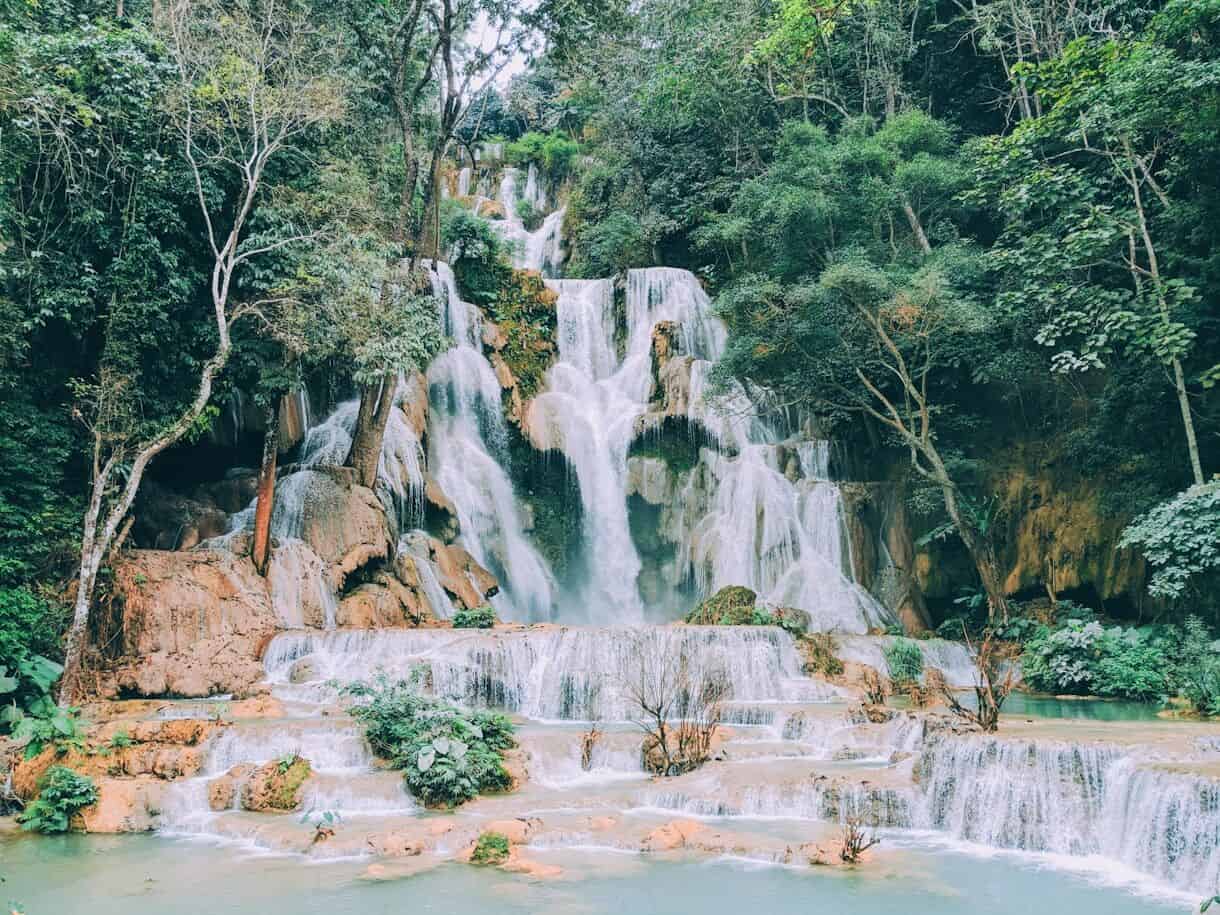
Photo by note thanun on Unsplash
Luang Prabang sits at the confluence of the Mekong and Nam Khan rivers in northern Laos. The historic center is a UNESCO World Heritage site, and strict preservation rules have kept development in check.
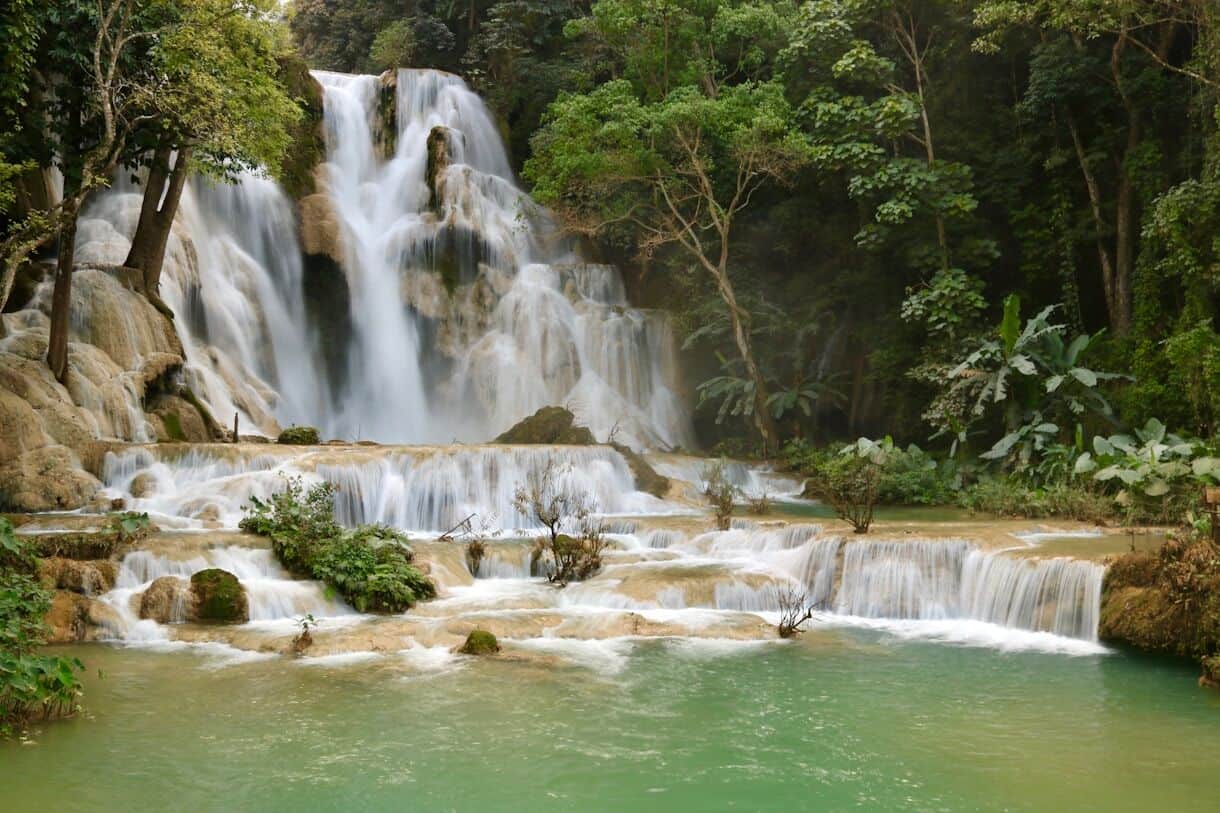
The daily alms-giving ceremony at dawn is the most visible local tradition, with hundreds of monks walking silently through town to receive food from kneeling residents. Visitors can observe but should stay back and remain silent. Kuang Si Falls is a 45-minute drive from town and features tiered pools, with swimming permitted in the lower sections. The Pak Ou Caves, a two-hour boat ride up the Mekong, contain thousands of Buddha statues left by pilgrims over centuries.
Most travelers stay three to four days. The cool, dry season runs from November through February.
Asia’s busiest cities earn their reputation, but they’re not representative of the continent as a whole. The destinations above are all reachable with standard international flights and modest planning, and any of them works as the main focus of a trip or as a counterweight to a few days in a larger city.
About the Author
Mike is a writer who researches and shares actionable advice around travel lifestyle, finance, and personal growth. He loves any trip where he can explore the great outdoors, and believes everyone should be able to experience travel for personal development and fulfillment. Read his other articles on Frayed Passport here.FOLLOW US ON INSTAGRAM


Information published on this website and across our networks can change over time. Stories and recommendations reflect the subjective opinions of our writers. You should consult multiple sources to ensure you have the most current, safe, and correct details for your own research and plans.