
Plan Your Destination Celebration Right: Here’s What Happens to Your Champagne if You Store It Wrong!
By: Frayed Passport
Skip to Section
There is something undeniably special about the pop of a Champagne cork. It signals celebration, sophistication, and indulgence. Yet, that same symbol of joy can lose its charm if the bottle hasn’t been stored properly. Many assume Champagne remains untouched by time as long as it stays sealed – but in fact, poor storage can dull its sparkle, flatten its bubbles, and ruin its delicate balance.
For travelers planning destination weddings, milestone anniversaries abroad, or romantic honeymoons, bringing Champagne along adds a touch of luxury to the experience. And we must recommend that a fine bottle like Moet Liquorland can transform any occasion into a cherished memory. But transporting and storing bottles during travel presents unique challenges that can compromise quality before the first glass is poured.

Whether you’re carrying Champagne in checked luggage to a beach resort or storing bottles in a tropical villa for a wedding toast, understanding proper storage becomes essential. This article explores what actually happens to Champagne when storage conditions are ignored, and how to protect every sip from losing its magic, especially when you’re far from home.
Why Storage Conditions Matter More Than You Think
Champagne is a living product made with precise craftsmanship. Once it leaves the winery, its quality depends on how it is treated. Temperature, light, humidity, and position all have the power to influence taste, aroma, and texture. These factors determine whether the Champagne remains fresh or turns dull.
A well-stored bottle rewards with fine bubbles and layered notes of fruit, toast, and minerality. Poor storage, on the other hand, can destroy those elements in months. The transformation might be invisible at first, but the moment the cork is released, disappointment becomes unmistakable.
- Interested in wines around the world? Have a look at this guide to the best vineyard destinations across the USA!
Temperature Fluctuations and Their Hidden Impact
Temperature control is the foundation of Champagne preservation. A stable, cool environment between 10°C and 13°C helps preserve flavor integrity. When exposed to heat or fluctuating temperatures, Champagne reacts negatively.
High temperatures accelerate chemical reactions inside the bottle, breaking down the compounds that give it depth. On the other hand, cold temperatures can halt aging too abruptly, causing an imbalance. Constant shifts between warm and cool can expand and contract the liquid, forcing small amounts of air through the cork. That subtle oxidation alters the taste, giving the Champagne a flat, stale edge.
For travelers, temperature control can be especially tricky. Checked luggage sits in cargo holds that can reach extreme temperatures. Hotel minibars often run too cold for proper storage. Tropical destinations expose bottles to heat and humidity that can damage them within days. If you’re planning to bring Champagne on a trip, consider shipping it ahead to your accommodation or purchasing it locally upon arrival.
- What’s the deal with duty-free shopping? Here’s how to do it right (and what to avoid!)
Light Exposure Can Quietly Ruin the Sparkle
Champagne is sensitive to light. Ultraviolet rays from sunlight or fluorescent bulbs can initiate “lightstruck” reactions. This condition produces unpleasant aromas that resemble damp cardboard or sulfur. Clear bottles, though visually appealing, offer minimal protection compared to green or brown glass.
For those storing bottles at home, darkness is key. A closet, wine cabinet, or cellar with minimal exposure to light ensures the Champagne retains its purity. Retail shelves often use darker environments for this reason, preserving the luxurious experience associated with every pour.
When traveling, avoid leaving bottles near windows or in direct sunlight. Beach villas and resort rooms with floor-to-ceiling windows can expose Champagne to damaging UV rays. Wrap bottles in dark fabric or store them in closets away from light sources.
The Role of Humidity and Air Control
Cork integrity is another critical factor. If the environment is too dry, the cork shrinks and lets air seep in. Too much moisture can lead to mold or label damage. Ideal humidity sits between 60% and 70%.
This balance keeps the cork soft enough to maintain an airtight seal. Once air enters the bottle, oxidation begins. Over time, that process changes the drink into something closer to sherry, stripping away finesse and vitality. Every sip becomes a reminder of what was lost through negligence.
Desert destinations and high-altitude locations present dry conditions that can compromise cork integrity. Coastal and tropical areas offer humidity but may tip the scale too far in the opposite direction. If you’re staying somewhere for an extended period, consider storing bottles in a bathroom or using a damp cloth nearby to maintain moisture balance.
The Danger of Storing Bottles Upright
The position of the bottle plays a surprising role. Champagne stored upright for extended periods allows the cork to dry out. Lying the bottle horizontally keeps the cork moist and ensures a tight seal.
Wineries often store bottles on their sides to maintain this contact. It might seem minor, but that simple positioning preserves effervescence and prevents air leaks. Even premium bottles are vulnerable to poor positioning, no matter how expertly crafted they are.
When packing Champagne for travel, wrap bottles in clothing or bubble wrap and position them horizontally in your luggage if possible. Once you arrive at your destination, store them on their sides in a cool, dark place rather than standing them upright on a counter or table.
Traveling With Champagne: Special Considerations
Bringing Champagne on a trip requires extra planning. Airlines have specific regulations about transporting alcohol in checked and carry-on luggage. Checked bags allow wine and Champagne, but bottles must be properly packed to prevent breakage and leakage.
For destination weddings, consider these options:
Ship ahead: Send bottles to your hotel or venue a week before your arrival. Confirm they have proper storage facilities.
Buy locally: Many resort destinations have wine shops or can arrange delivery of premium Champagne brands.
Use specialized carriers: Wine shipping companies provide temperature-controlled transport and protective packaging.
Check venue policies: Some wedding venues charge corkage fees or require you to purchase through their suppliers.
For honeymoon trips, purchasing Champagne at your destination often makes more sense than traveling with bottles. You’ll avoid the stress of transport and storage while supporting local businesses.
Signs That Champagne Has Been Stored Incorrectly
There are visible and sensory cues when Champagne has suffered from bad storage. Recognizing them can help prevent serving an unpleasant drink.
Look for these signs:
- Loss of bubbles: Flat Champagne indicates that carbonation has escaped.
- Discoloration: A dark or amber hue shows oxidation.
- Unpleasant aroma: A musty or vinegary smell means exposure to heat or light.
- Off taste: Bitterness, sharpness, or dullness points to chemical breakdown.
When these signs appear, the Champagne has lost its signature charm and should not be used for special occasions.
If you open a bottle during your trip and notice these issues, don’t force yourself to drink it out of obligation. A ruined bottle won’t salvage a special moment, and you’re better off finding a replacement than serving something that tastes off.
How to Store Champagne Correctly
Proper storage doesn’t require a wine cellar, but it does demand attention to key conditions. Small adjustments make a significant difference in maintaining quality.
Essential storage tips:
- Keep bottles between 10°C and 13°C.
- Avoid sunlight and bright artificial light.
- Maintain steady humidity around 70%.
- Store bottles horizontally.
- Minimize vibrations or movement.
A quiet, dark cupboard or wine rack works well for short-term storage, while a temperature-controlled fridge or wine cooler is ideal for long-term care.
When traveling, ask your hotel or rental property about storage options. Some accommodations offer wine fridges or cool storage areas specifically for guests bringing their own bottles. Resort staff can often provide guidance on the best places to store wine in your room.
Short-Term vs. Long-Term Storage
For bottles meant to be enjoyed within a few weeks, a regular refrigerator is suitable. The low humidity in fridges can dry out corks over extended periods, so this solution works best for short-term needs.
Long-term storage demands more stable conditions. A dedicated wine cooler keeps bottles in a controlled setting, away from noise and vibration. Consistency in temperature and environment ensures the Champagne matures gracefully rather than deteriorating prematurely.
For extended destination stays, such as month-long sabbaticals or seasonal relocations, invest in portable wine storage solutions or seek accommodations with proper wine storage facilities.
The Science Behind the Fizz
Bubbles are the lifeblood of Champagne. They are formed during secondary fermentation, when yeast converts sugar into carbon dioxide. Proper storage maintains pressure inside the bottle, which traps the gas in liquid form.
When mishandled, the balance between gas and liquid breaks. Temperature spikes or air exposure can release carbon dioxide prematurely, leaving the Champagne flat. The signature sparkle that defines luxury disappears, along with the pleasure it brings.
Making Your Celebration Worth the Effort
Improper storage can steal Champagne’s brilliance and replace celebration with disappointment. From temperature shifts to light exposure, each mistake leaves a mark on the wine’s flavor and fizz. When stored under consistent, dark, and cool conditions, Champagne retains its sparkle and depth.
For travelers planning weddings abroad, anniversary trips, or honeymoon celebrations, protecting your Champagne requires forethought. Research storage options at your destination before you leave. Communicate with venue staff about temperature control. Consider whether shipping or local purchase makes more sense than traveling with bottles.
The difference lies in the details, and those details decide whether the glass lifts a celebration or a regret. Your special moment deserves Champagne that delivers on its promise of luxury and joy, no matter where in the world you’re raising your glass.
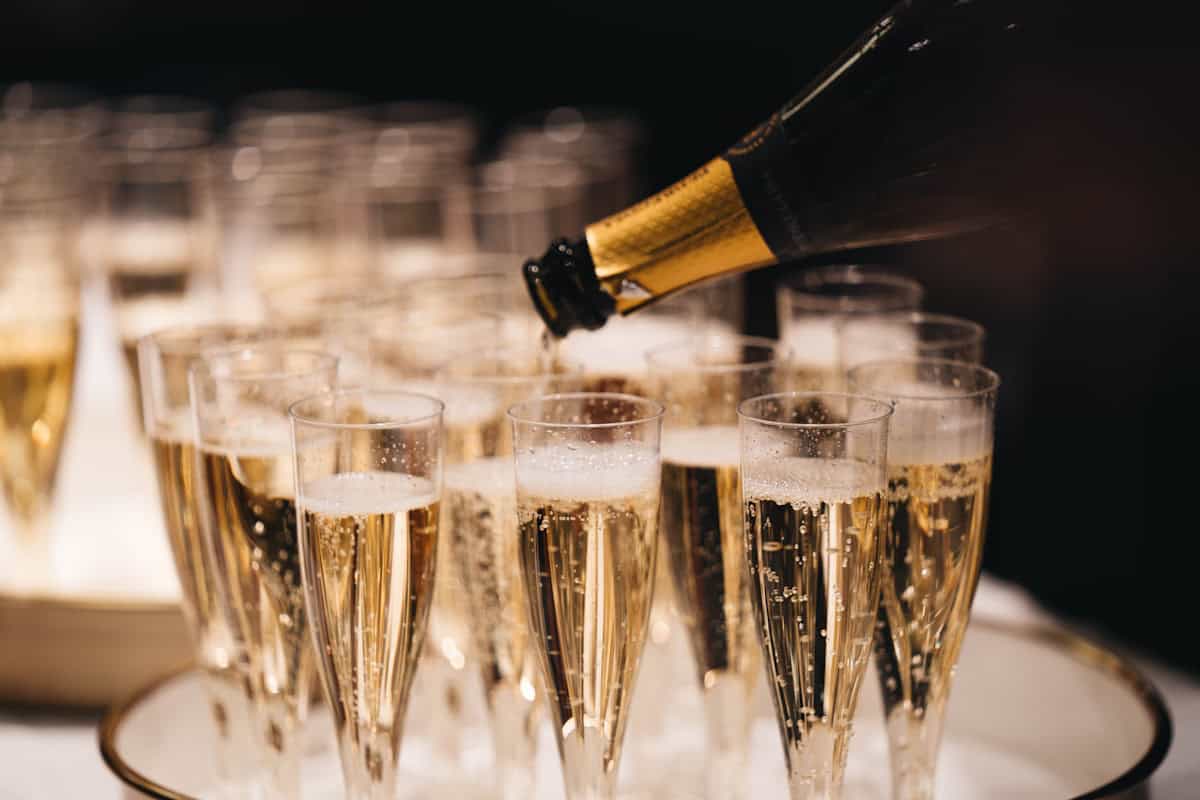
Featured image by Alexander Naglestad on Unsplash
FOLLOW US ON INSTAGRAM


Information published on this website and across our networks can change over time. Stories and recommendations reflect the subjective opinions of our writers. You should consult multiple sources to ensure you have the most current, safe, and correct details for your own research and plans.