
The Victorian Scientist Who Tried to Eat the Entire Animal Kingdom
By: Sarah Stone
Skip to Section
William Buckland was a respected Victorian theologian, geologist, and paleontologist who set an outlandish lifelong goal of eating his way through every creature in the animal kingdom. He also may have eaten a mummified human heart.
It’s easy to write Buckland off as an eccentric, but he was an incredibly accomplished leader in Victorian earth science. He wrote the first full scientific account of a fossil dinosaur (which he called the Megalosaurus) in 1824, and he proved that a cave in Yorkshire had once been a prehistoric hyena den – work that earned him the Copley Medal, the most prestigious award of Britain’s Royal Society. He served as Dean of Westminster and taught at Oxford, and his scientific work on fossilized dung convinced him that studying what animals ate could reveal how ancient ecosystems worked. His curiosity about digestion and diet spilled over into his own kitchen.

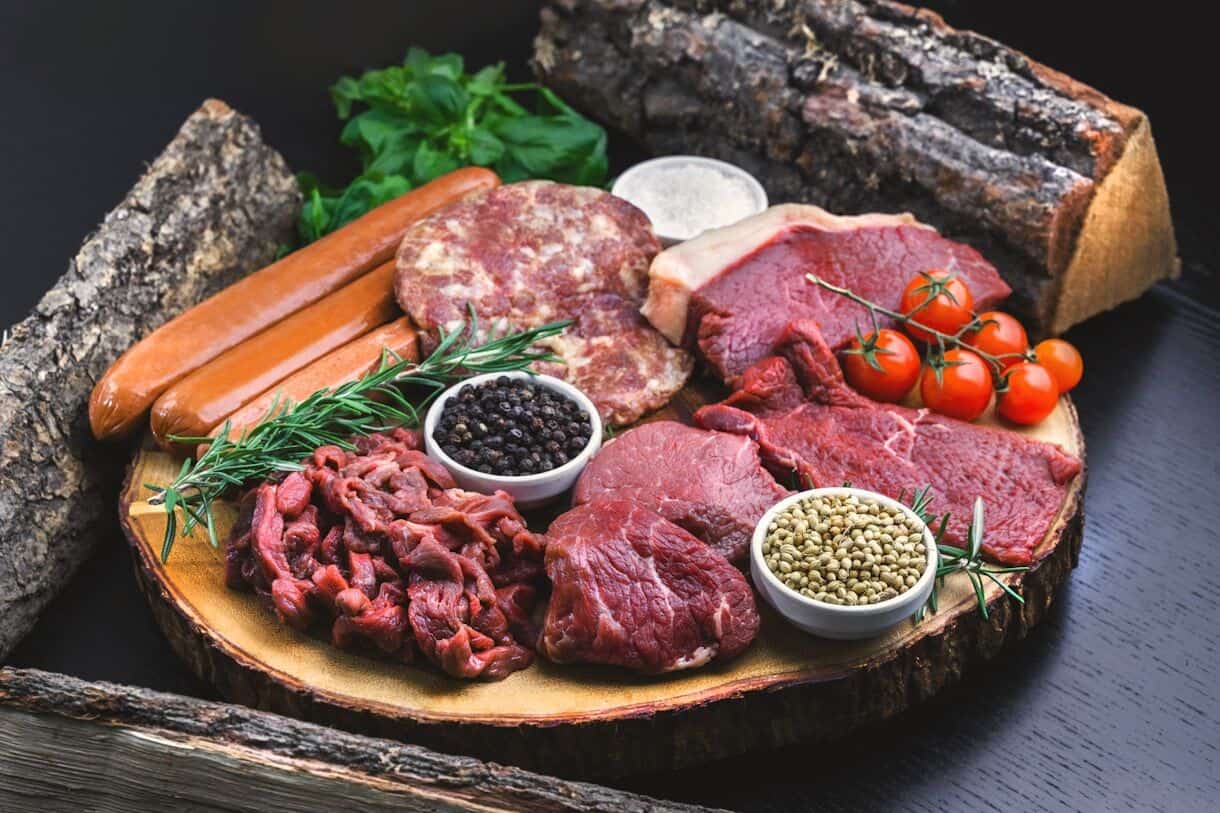
Buckland practiced zoophagy, which, in his case, meant the deliberate eating of as many animal species as he could acquire. He kept a menagerie of live animals and trophy ones at home, and he hosted dinner parties where he’d serve guests mystery meats on occasion.
Guests who dined with him described mouse on toast, panther chops, crocodile, roasted hedgehog, and sliced porpoise head. When asked which animal tasted the worst, Buckland reportedly named the common mole as the most revolting thing he ever put in his mouth, with the bluebottle fly as a close second.
His son Frank inherited the habit and carried it even further, feasting on creatures his father never reached – by the way, Frank also became a beloved member of the scientific community, and was a big advocate of responsible fishing and farming.
The most famous Buckland story is also the most sensational – so, maybe not true, but worth a retell: Buckland attended a dinner at Nuneham House in 1848, hosted by the aristocratic Harcourt family. Among the curiosities on display was a silver case said to contain the mummified heart of King Louis XIV of France. This relic survived the French Revolution and passed through several hands, and 140 years on, had shrunk to about the size of a walnut. Buckland put it in his mouth – and actually, licking rocks is a common way for geologists to determine whether something is a fossil or not – and swallowed it. Probably embellished at best, but still a fun story about a deeply strange and remarkably accomplished and influential member of the scientific community!
About the Author
As the editor in chief of Frayed Passport, my goal is to help you build a lifestyle that lets you travel the world whenever you want and however long you want, and not worry about where your next paycheck will come from. I've been to 20+ countries and five continents, lived for years as a full-time digital nomad, and have worked completely remotely since 2015. If you would like to share your story with our community, or partner with Frayed Passport, get in touch with me using the form on our About page.Featured image by Eiliv Aceron on Unsplash
FOLLOW US ON INSTAGRAM


Information published on this website and across our networks can change over time. Stories and recommendations reflect the subjective opinions of our writers. You should consult multiple sources to ensure you have the most current, safe, and correct details for your own research and plans.