

What Are the Only Two Double-Landlocked Countries in the World?
By: Heather Keys
Skip to Section
There are 44 landlocked countries in the world – nations with no direct access to an ocean or sea. But only two of them face an even more unusual geographic situation: they’re double-landlocked, meaning they’re completely surrounded by other landlocked countries!
If you live in one of these places, you’d need to cross at least two international borders before you could dip your toes in the ocean.

The world’s only double-landlocked countries are Liechtenstein and Uzbekistan. They couldn’t be more different from each other – one is a tiny European microstate, the other a sprawling Central Asian nation – but they share this rare geographic distinction.
Liechtenstein: The Alpine Microstate
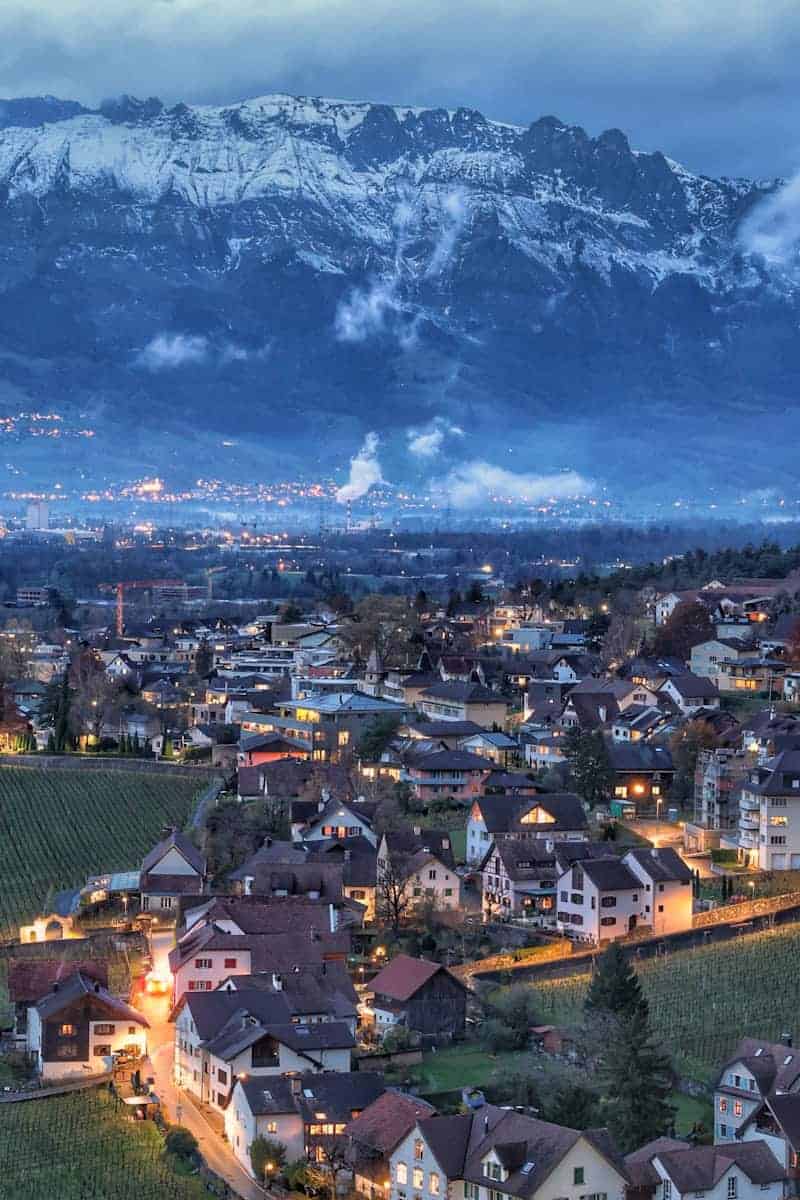
Liechtenstein sits wedged between Switzerland and Austria in the European Alps. At just 62 square miles with a population of around 40,000, it is the world’s smallest nation to border exactly two other countries.
Both of Liechtenstein’s neighbors are landlocked. To reach the ocean from the capital, Vaduz, you would need to travel through Switzerland or Austria first, then continue through a third country, such as Italy, Germany, or France, before reaching the coast.
Liechtenstein wasn’t always double-landlocked. Before World War I, it bordered the Austro-Hungarian Empire, which had access to the Adriatic Sea. When the empire dissolved in 1918, and landlocked Austria emerged as an independent nation, Liechtenstein became the world’s first double-landlocked country. Despite its geographic isolation, the nation has thrived. It maintains one of the highest GDPs per capita in the world and is part of the Schengen Area, which, as of 2026, allows for borderless travel across 29 European countries.
Uzbekistan: The Central Asian Giant
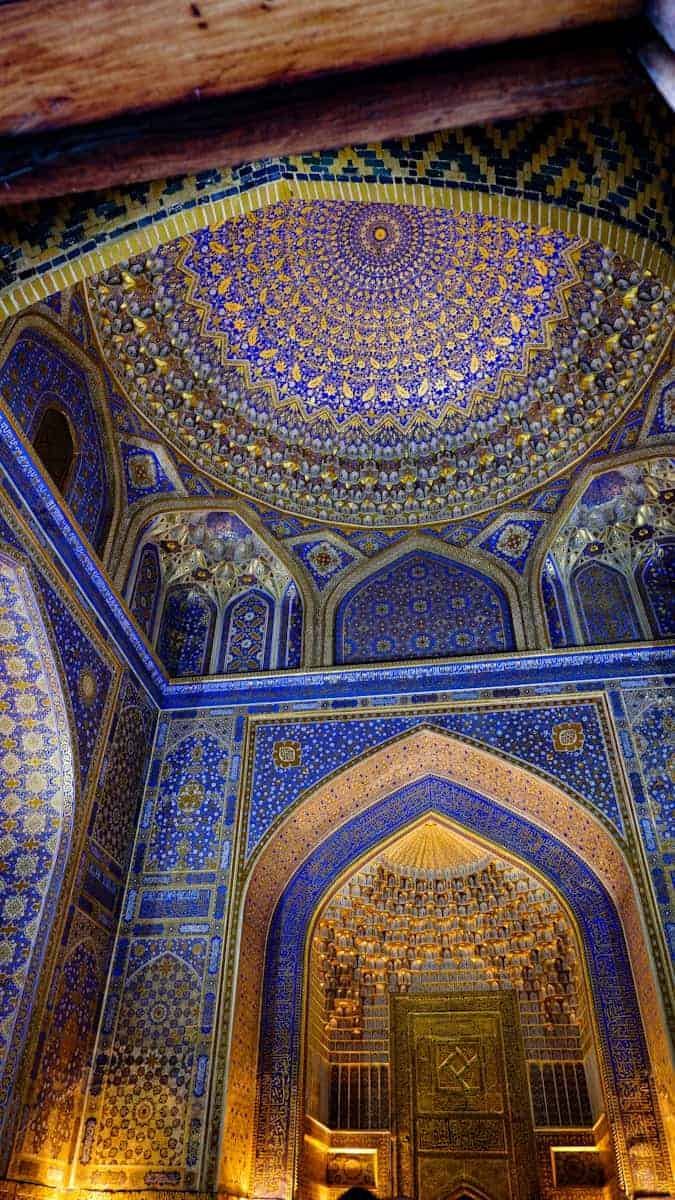
Uzbekistan became the world’s second double-landlocked country in 1991, following the collapse of the Soviet Union. While the country is vast – covering roughly 173,000 square miles (about the size of California) – it is entirely hemmed in by five landlocked neighbors: Kazakhstan, Kyrgyzstan, Tajikistan, Afghanistan, and Turkmenistan.
There is a long-standing geographic debate regarding Uzbekistan’s status because two of its neighbors border the Caspian Sea. While the Caspian is the world’s largest inland body of water, it has no natural connection to the world ocean. Even though a 2018 convention granted the Caspian a “special legal status” (neither a sea nor a lake), geographers still classify Uzbekistan as double-landlocked because its “sea” access leads only to another landlocked basin.
To overcome this, Uzbekistan has invested heavily in “Middle Corridor” trade routes and the Trans-Afghan Railway. These creative logistics are essential because, unlike Liechtenstein’s seamless integration into the European market, Uzbekistan must navigate complex regional politics and thousands of miles of rail to reach global ports like Bandar Abbas in Iran.
Why Does Being Double-Landlocked Matter?
For international trade, being landlocked is a significant disadvantage. Shipping goods by sea is far cheaper than by rail or road, and landlocked nations must negotiate transit rights with their neighbors. Double-landlocked countries face these challenges twice over.
The United Nations recognized this issue and held an international conference in 2003 specifically to address the transit rights of landlocked nations. The goal was to help these countries participate more fully in global trade.
Liechtenstein has largely overcome its geographic challenges through economic integration with Switzerland and the EU. Uzbekistan faces a more challenging situation, with higher transportation costs and more complex political relationships affecting its trade routes. Still, both countries demonstrate that geographic isolation doesn’t have to mean economic isolation.
About the Author
Originally from Indiana, Heather believes every destination has a story worth telling and a reason to visit. With a deep love of adventure, history, and psychology, she shares travel trivia, tips, and inspiration to encourage you to explore the world with curiosity and optimism. Read her other articles on Frayed Passport here.Featured image by Ozodbek Erkinov on Unsplash
FOLLOW US ON INSTAGRAM


Information published on this website and across our networks can change over time. Stories and recommendations reflect the subjective opinions of our writers. You should consult multiple sources to ensure you have the most current, safe, and correct details for your own research and plans.