
The Library of Alexandria Wasn’t Destroyed Overnight
By: Sarah Stone
Skip to Section
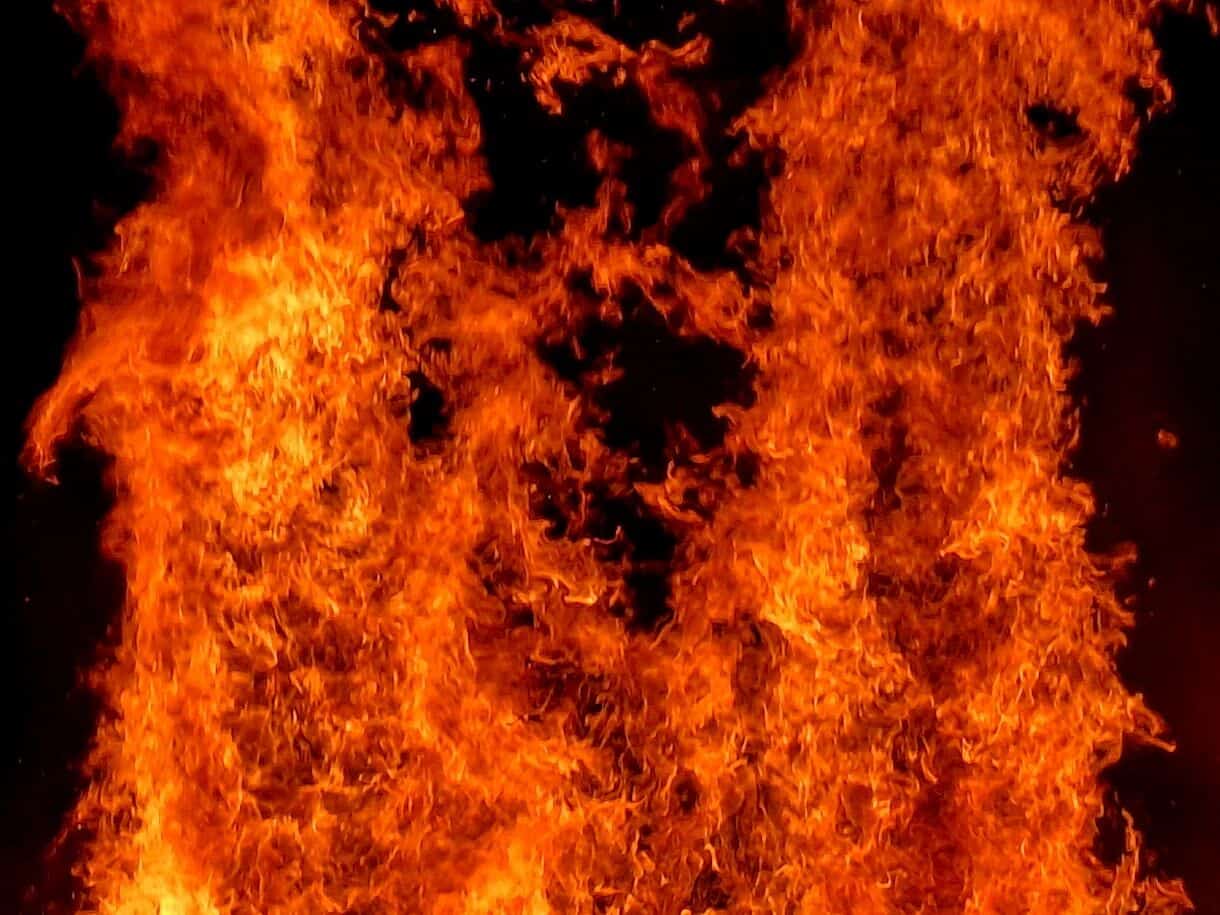
We all know the story: Julius Caesar burned the Library of Alexandria to the ground in 48 BCE, wiping out centuries of human knowledge in a single night. It makes for a dramatic tale…but it’s also mostly wrong.
What Really Happened at the Harbor
Caesar’s soldiers did start a fire in 48 BCE. During a conflict in the city, they set fire to ships in the harbor, and the flames spread to warehouses and other buildings along the waterfront.

Scholars think one or more of those warehouses held materials connected to the library. That local fire, and the damage it caused near the water, grew over time into the myth that the entire library went up in a single catastrophic blaze. The reality was slower and still infuriating.
A Research Institution Unlike Any Other
The Library of Alexandria was part of a royal research institution funded by the Ptolemaic dynasty and established in the early third century BCE. It ranked among the largest and most important libraries anywhere in the ancient world.
The library collected works aggressively – it gathered books and materials on every subject its keepers could find, and it drew scholars, philosophers, poets, and researchers from across the known world. If you wanted access to the deepest well of written knowledge in antiquity, this was an actual goldmine.
The All-Too-Familiar Slow Decline of a Library
The damage started long before any Roman soldier lit a torch – the decline began during the reign of Ptolemy VIII in 145 BCE.
In a campaign of revenge against his predecessor and everyone who’d backed that predecessor, Ptolemy VIII forced the head librarian into exile and expelled foreign scholars from Alexandria. In one political purge, the institution lost an enormous amount of its international talent, and it never recovered.
When Rome conquered Egypt, membership no longer depended on scholarship, and was instead granted based on your standing in government, the military, or athletics. Funding dried up, some materials were sent to smaller institutions elsewhere, and the library shrank in both size and status.
The End of a World Wonder
Other damaging events followed over the centuries, including the Arab conquest in 642 CE, which is sometimes blamed for the library’s end. By that point, though, very little of the original institution remained to destroy.
The truth is less cinematic than a catastrophic blaze, and more recognizable to anyone who’s ever loved their local library: the Library of Alexandria crumbled across centuries through neglect, political instability, and the steady loss of the money that once kept it running.
Great institutions rarely die in a single dramatic moment. They usually erode, one bad decision at a time.
About the Author
As the editor in chief of Frayed Passport, my goal is to help you build a lifestyle that lets you travel the world whenever you want and however long you want, and not worry about where your next paycheck will come from. I've been to 20+ countries and five continents, lived for years as a full-time digital nomad, and have worked completely remotely since 2015. If you would like to share your story with our community, or partner with Frayed Passport, get in touch with me using the form on our About page.Featured image by Pete Alexopoulos on Unsplash
FOLLOW US ON INSTAGRAM


Information published on this website and across our networks can change over time. Stories and recommendations reflect the subjective opinions of our writers. You should consult multiple sources to ensure you have the most current, safe, and correct details for your own research and plans.