
The Curious Origins of Hotel Amenities
By: Frayed Passport
Skip to Section
Ever checked into a hotel and looked at the tiny shampoo bottles, the folded towels, and the menu propped on the desk? Those small comforts feel so ordinary now that you probably don’t give them a second thought. Every one of them started as somebody’s odd idea, and the story of how they became standard says a lot about how attitudes toward travel and comfort have shifted.
The road from a plain roof over your head to a fully designed guest experience is longer and stranger than you’d guess.
From Communal Baths to Private Suites

Lodging used to be purely practical. Inns and taverns offered a bed and very little else. Privacy barely existed, bathing facilities were shared, and hot water often cost extra.
That changed in Buffalo, New York. In 1908, a hotelier opened a 300-room property with 300 private bathrooms, one for every guest room, which nobody had done before. The trick was a purpose-built plumbing shaft that let bathrooms sit back to back, so two of them cost barely more than one. The advertising slogan promised a room and a bath for a dollar and a half, at a time when competitors charged twice that for worse accommodations.
The same hotel introduced circulating ice water, light switches inside the door, a free morning newspaper, and a full-length closet with a light in it. Most of what you now consider baseline came from that single building.
That shift from shared space to personal quarters turned hotels into somewhere you could shut a door and be alone. You expect that now whether you’re at a roadside motel or a luxury Cherry Creek hotel. The en-suite bathroom went from headline feature to the least remarkable thing in the room.
The Strange Journey of Room Service
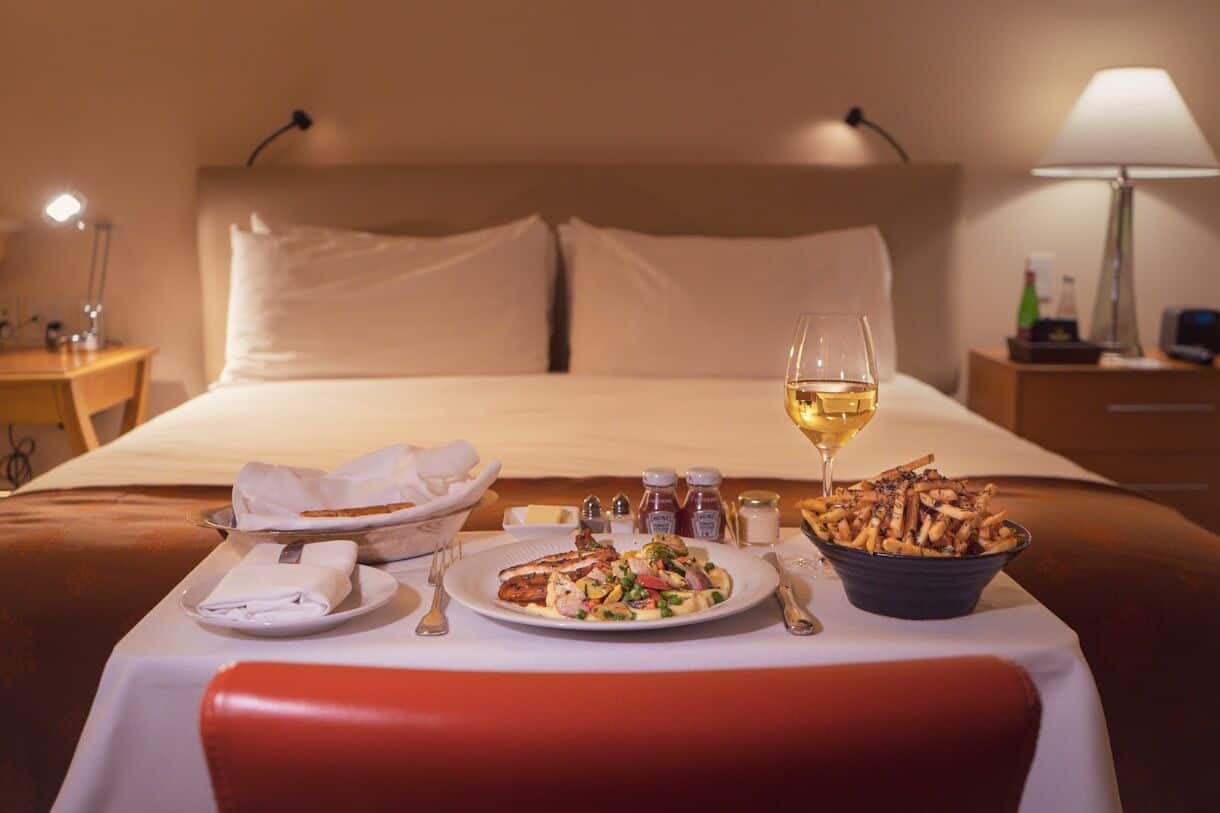
Having a full meal wheeled into your room feels like the peak of hotel pampering, and the history behind it comes down to famous people who didn’t want to be looked at.
New York’s Waldorf Astoria gets the credit. When the hotel reopened on Park Avenue in 1931, it introduced in-room dining as a formal service, aimed squarely at celebrities and dignitaries who preferred to eat out of public view. Before that, guests were expected to come downstairs and be seen. Every order reportedly went up with a rose on the tray.
Early menus leaned expensive, with filet mignon and lobster salad as fixtures. The extravagant origins of room service look almost quaint compared with what hotels deliver now, but the underlying appeal hasn’t budged: you get restaurant food without having to put on shoes.
What started as a service for a handful of guests spread across the industry within a couple of decades. The full history of room service is really the story of how a hotel room stopped being just a place to sleep and became a private dining room, an office, and a living room too.
Concierge: A Historical Necessity
The person at the lobby desk who finds you last-minute theater tickets holds a job title with a genuinely disputed origin story.
One popular explanation traces “concierge” to the Old French comte des cierges, or count of candles, a servant who kept medieval palaces lit and clean at a time when open flames were the only light source and a serious fire risk. Linguists tend to prefer a different route, from the Latin conservus, meaning fellow servant. Both explanations show up in reference works, and the candle version may be a bit of folk etymology that stuck because it makes a better story.
Either way, the job involved keeping the keys, knowing the building, and looking after important visitors. Grand European hotels adopted the role in the 1800s, and the concierge became a local expert and problem-solver rolled into one. Think of them as the original search engine, connecting travelers to the best of a city long before you could look anything up on a phone.
How Hotels Raise the Bar Today
Private baths and room service are now table stakes, so hotels compete elsewhere. High-speed Wi-Fi went from a line item on your bill to something you’d complain loudly about paying for. In-room entertainment moved from clunky pay-per-view boxes to smart TVs where you log into your own streaming accounts.
Wellness is the current battleground, with serious fitness centers, yoga mats stocked in guest rooms, and bath products borrowed from spa lines. USB ports are built into nightstands. Digital room keys live on your phone. The goal has shifted from comfort alone toward a stay that anticipates what you’ll need before you ask.
Beyond Basics: Inspired Luxury
At the top end, amenities get genuinely odd. Pillow menus run to a dozen options. Some properties keep a bath butler on staff whose entire job is drawing your tub. Others hand you a car and driver for the afternoon.
A few go after personalization hard, stocking the minibar with snacks you mentioned on a previous stay or blending a custom scent for your room. Private art tours and cooking classes with the executive chef land in the same category: things you couldn’t have arranged yourself, delivered without being asked.
From a shared straw mattress at a roadside inn to a suite with a personal butler, hotel amenities track an old and stubborn human want. You go somewhere unfamiliar, and you’d still like to feel looked after when you get there.
Featured image by Cory Bjork on Unsplash
FOLLOW US ON INSTAGRAM


Information published on this website and across our networks can change over time. Stories and recommendations reflect the subjective opinions of our writers. You should consult multiple sources to ensure you have the most current, safe, and correct details for your own research and plans.