
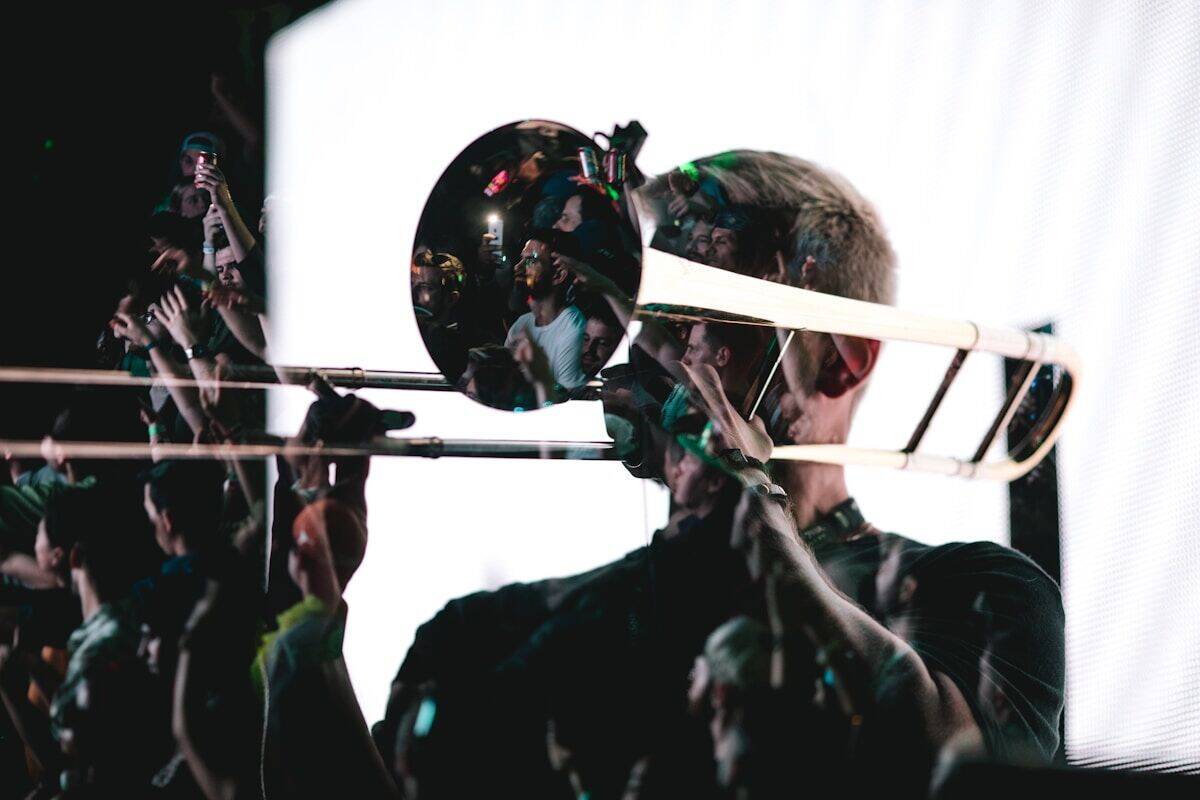
How to Go to SXSW 2026: Your Complete Guide to Austin’s Biggest Festival
By: Mike Coleman
Skip to Section
Every March, Austin, TX turns into a week-long collision of music, film, comedy, and technology that draws over 300,000 people from around the world. SXSW – South by Southwest – marks its 40th anniversary in 2026, and you won’t want to miss it!
This guide covers everything you need to know about attending SXSW 2026, including how the badge system works, where to stay, what the festival actually looks like day-to-day, how much it costs, and what to pack so your feet survive seven days of pavement.
What is SXSW?

SXSW started in 1987 as a small music festival in Austin. A few hundred people showed up that first year. Nearly four decades later, it’s grown into one of the biggest cultural events on the planet, pulling in creatives, tech execs, filmmakers, musicians, comedians, and fans who want to see something cool before anyone else does.
The festival is split into three main tracks: Innovation (formerly called Interactive, covering tech, startups, AI, media, and business), Film & TV (premieres, screenings, and industry panels), and Music (seven nights of live performances across dozens of Austin venues). There’s also a Comedy Festival running throughout the week and SXSW EDU, an education-focused conference that runs from March 9-12, just before the main event.
SXSW’s reputation was built on discovery. Twitter had its breakout moment here in 2007, and bands like Arcade Fire and Spoon got early career boosts from SXSW showcases. The whole event runs on the idea that the next big thing in culture, tech, or entertainment might be happening in a tiny Austin bar right now, and you just have to show up.
For 2026, SXSW is restructuring. All three tracks will run simultaneously for the first time, condensing the event from nine days down to seven. The Austin Convention Center is under renovation until 2029, so the entire festival is going campus-style across downtown, with three dedicated Clubhouses serving as home bases for each track. The Music Festival also gains an extra night, giving you seven consecutive evenings of live showcases.
SXSW 2026: Dates, Location, and How to Get There
Dates
SXSW 2026 runs from March 12-18 in Austin, Texas. All three tracks – Innovation, Film & TV, and Music – run every day. SXSW EDU takes place March 9-12, with a crossover day on March 12 where EDU attendees can access SXSW programming.
The opening day kicks off with a Crossover Day Mixer at 5pm on March 12, followed by separate opening parties for each track that same evening. Music showcases, film screenings, and conference sessions run daily from the morning through late night for the full seven days.
Note: because all tracks run concurrently, crowd flow has changed from previous years. Everyone is in downtown Austin at the same time, meaning midday wait times for popular restaurants will be at an all-time high.
Location
The festival takes over downtown Austin. Since the Convention Center is out of commission, SXSW 2026 is built around three Clubhouse hubs:
- Innovation Clubhouse at Brazos Hall (East 4th Street) – your home base for tech, AI, startup, and business sessions.
- Creative Industries Expo is now at the Rainey Street Super-Tent.
- Film & TV Clubhouse at 800 Congress Avenue – right across from the Paramount Theatre, where major premieres happen.
- Music Clubhouse at Downright Austin (East 7th Street) – your top spot for all things live music, including the Radio Day Stage and mentor sessions.
Sessions, screenings, and showcases also take place in hotels, theaters, and venues all over downtown. The SXSW GO app is your best friend for tracking what’s happening where.
How to Get There
Austin-Bergstrom International Airport (AUS) is the city’s only commercial airport, located about 15 minutes southeast of downtown. It has direct flights from most major US cities and some international routes through London, Frankfurt, and several Mexican cities.
From the airport to downtown, you can grab a rideshare (Uber or Lyft, typically $15-$25), take the Capital Metro Airport Flyer bus (Route 20, about $1.25), or rent a car through Hertz or another rental agency, though parking downtown during SXSW is expensive and limited.
If you’re driving from within Texas, Austin sits at the intersection of I-35 (running north-south from Dallas/San Antonio) and US-290 (running east-west from Houston). The drive from Dallas is about 3 hours, Houston is 2.5 hours, and San Antonio is about 1.5 hours.
Once you’re in Austin, you won’t need a car. SXSW offers a free shuttle service for registered badge holders that runs between most venues daily from 9am to 2:30am. The city also has e-scooters and e-bikes available through the CapMetro app and other rental services scattered around downtown.
Where to Stay
Accommodation during SXSW is the single biggest expense after your badge, and prices spike hard. Downtown Austin hotels that normally run $150-$200 per night can jump to $400-$800+ during the festival, with premium properties near the Convention Center area pushing past $1,000 per night.
Downtown is the most convenient option. You’ll be within walking distance of all three Clubhouses and the major venues on 6th Street. SXSW partners with local hotels to offer discounted group rates through their SXSW Housing portal, which you can access after purchasing your badge. This is your best bet for downtown hotels at reasonable rates, but rooms sell out fast.
South Congress (SoCo) is a strong alternative just across the Lady Bird Lake bridge. It has a great food and shopping scene, boutique hotels at slightly lower prices, and adds only a 10-15 minute walk to most SXSW venues.
East Austin has trendy properties with good proximity to nightlife and some satellite venues. It’s a popular area for vacation rentals through Vrbo, where full apartments work well for groups splitting costs.
North Austin and Round Rock will save you the most money, with hotels 50-70% cheaper than downtown. The trade-off is a 15-20 minute drive plus $10-$25 per day in rideshare or parking costs.
Hostels are a real option. The Firehouse Hostel on Brazos Street is less than five minutes from Dirty 6th and offers dorms and private rooms with free breakfast. Expect hostel rates in the $50-$80/night range during SXSW.
One big tip: many of the hotels hosting SXSW programming in 2026 are also bookable through SXSW Housing. Staying in a venue hotel means you could literally take an elevator to a session.
What to Expect
The Daily Beat
A typical SXSW day starts around 10am with conference sessions and panels. Keynote speakers take the stage at various points throughout the day, and these are the highest-demand events, so plan to arrive 30-45 minutes early or use one of your daily badge reservations. Film screenings run throughout the day and into the evening across several theaters.
Music showcases fire up in the early evening, usually around 7pm or 8pm, and run until well past midnight at venues all over downtown. The most iconic music spots include Mohawk, Stubb’s, Antone’s, and the stages along Red River Street.
The real magic of SXSW happens in the unofficial events, the brand activations, pop-up experiences, and free day parties that take over Austin during the festival. Companies set up elaborate experiences with free food, drinks, and entertainment, and many of these don’t require a badge. Following accounts like Do512 and checking Eventbrite for SXSW-adjacent events will fill your calendar fast.
The Conference (Innovation Track)
The Innovation track covers technology, AI, startups, media, marketing, design, health, sports, gaming, and more. Sessions range from 30-minute panels to full workshops and mentor sessions. Featured speakers for 2026 include former First Lady Michelle Obama, actor and director Ben Stiller, futurist Amy Webb, the Mattering Institute’s Jennifer B. Wallace, artist Tom Sachs, and Steven Spielberg.
Sessions are organized into sub-tracks (Brand & Marketing, Tech & AI, Creator Economy, Culture, Startups, etc.), so you can focus on your specific area of interest rather than trying to attend everything.
Film & TV
The SXSW Film & TV Festival screens hundreds of films across multiple theaters, with a focus on independent and genre-defying work. World premieres are common, and some of the biggest breakout hits in recent years launched here. Screenings typically start around noon and run through the evening, with the Paramount Theatre on Congress Avenue hosting premiere screenings and red-carpet events.
Music
This is where SXSW began, and in 2026, the Music Festival is bigger than ever with seven consecutive nights of showcases and over 700 artists performing across more than 300 sets. The 2026 lineup includes headliners like Lola Young, Fuerza Regida, BigXthaPlug, The All-American Rejects, Gogol Bordello, Charley Crockett, Kairo Keyz, Miss Bashful, and Passion Pit, alongside hundreds of up-and-coming acts.
The beauty of SXSW Music is the spontaneity. You might walk into a tiny venue on a Tuesday night and see an artist who’s headlining major festivals six months later. Badge holders get priority entry at official showcases, and Music Festival Wristband holders get in after badge holders. Many venues along 6th Street and Red River also host free shows throughout the week.
Comedy
The SXSW Comedy Festival is expanding in 2026, featuring established comics, rising talent, live podcast recordings, and improv shows. Comedy events are accessible with any SXSW badge type, and surprise drop-ins from big names are part of the tradition.
How Much Does SXSW Cost?
SXSW is not a cheap event, but there are ways to experience it at every budget level, including for free.
Badges (current prices as of February 2026):
- Platinum (access to everything): $1,995 online / $2,095 walk-up
- Innovation: $1,395 online / $1,495 walk-up
- Film & TV: $1,170 online / $1,225 walk-up
- Music: $820 online / $895 walk-up
- Music Festival Wristband (music showcases only, after badge holders): $149 online / $189 walk-up
Student discounts of 30-50% are available for Innovation, Film & TV, and Music badges, and group rates kick in at 10 or more attendees. Volunteering is another way in – SXSW offers free badges in exchange for volunteer shifts during the festival.
Badges no longer include secondary access to other tracks. If you buy a Music badge and want to attend Innovation sessions, you’ll need to upgrade. Platinum remains the only badge that gets you into everything.
Accommodation: Budget $50-$80/night for hostels, $200-$500/night for mid-range downtown hotels through SXSW Housing, or $800-$1,200/night for premium properties. Vacation rentals in East Austin or South Congress can run $150-$300/night and are a good option for groups. If you stay outside downtown, expect $100-$200/night plus transportation costs.
Flights: Round-trip domestic flights to Austin typically range from $150 to $400, depending on your origin city and how early you book. International travelers from the UK should budget $500-$900.
Food and drink: Austin’s food scene is legendary. Budget about $30-$50 per day for good eating, though you can spend less by hitting taco trucks and fast-casual spots. During SXSW, many brand activations and day parties offer free food and drinks, which can significantly cut your daily costs.
Transportation: Free SXSW shuttles handle most of your transit needs. Rideshares run $8-$20 per trip downtown, and e-scooter/bike rentals are a few dollars per ride. The CapMetro red line is the best way to get from North Austin to the Innovation Clubhouse.
Rough budget estimates for a 5-day SXSW trip:
- Budget (Music Wristband, hostel, cheap eats): $800-$1,200
- Mid-range (Music or Film badge, SXSW Housing hotel, regular dining): $2,500-$4,000
- All-in (Platinum badge, premium hotel, dining out): $5,000-$8,000+
- Free (no badge, unofficial events and free parties only): $500-$1,000 for travel and accommodation
What to Pack for SXSW
Austin in mid-March is mild but unpredictable. Daytime highs average around 75°F (24°C), but mornings and evenings can dip into the low 50s°F (10°C). Rain is likely for at least a day or two during the festival, and March is Austin’s windiest month.
- Comfortable walking shoes. This is non-negotiable and arguably the most important item on this list. You will walk miles every single day. Bring two pairs if you can, so you can rotate. Broken-in sneakers or comfortable boots are ideal. New shoes are a terrible idea.
- Layers. A light jacket or hoodie for mornings and late-night music showcases, plus T-shirts and shorts or lightweight pants for warm afternoons. Austin style leans casual, so don’t overthink it.
- Rain gear. A packable rain jacket or a compact umbrella. It almost always rains at least once during SXSW, and getting caught without cover at an outdoor showcase is miserable.
- Portable charger. Your phone will be running the SXSW GO app, maps, camera, and rideshare apps all day long. The Anker 313 Power Bank (10,000mAh) is compact, holds about two full charges, and costs around $16.
- Earplugs. You will be in loud music venues multiple nights in a row. A pair of Loop earplugs reduce volume without killing sound quality, and they’re small enough to keep on a keychain.
- Crossbody bag or fanny pack. You need your hands free for food, drinks, and your phone. A small crossbody bag keeps your essentials secure without slowing you down in packed venues.
- Reusable water bottle. Austin can get warm during the day, and you’ll be on your feet for hours. Staying hydrated is the most underrated SXSW survival strategy.
- Allergy medication. Cedar and oak pollen season overlaps with SXSW, and even people who don’t normally have allergies can get hit in Austin. If you’re sensitive at all, pack antihistamines and start taking them before you arrive.
- Sunscreen and sunglasses. March in Austin averages about 12 hours of daylight and plenty of sunshine. You’ll be outside more than you think, especially during day parties and waiting in outdoor lines.
- Business cards or a way to share contact info. If you’re attending for professional reasons, you will meet a lot of people. A quick way to exchange info (whether that’s a card, a QR code, or an AirDrop-ready contact) goes a long way.
Pro Tips for SXSW
- Use your badge reservations strategically. For 2026, Platinum Badges get 3 daily reservations, while Innovation, Film & TV, and Music badges are limited to 2 per day. Save these for keynotes and high-demand sessions, and then for everything else, the walk-up line is the primary way in – even popular events hold most seats for walk-ups.
- Download the SXSW GO app before you arrive. Build your schedule, track venue capacity in real time, and get notifications about lineup changes. The Event Status feature will save you from walking 20 minutes to a venue that’s already full.
- Don’t try to do everything. With 850+ sessions, 300+ music showcases, and 375+ film screenings in one week, you will burn out if you go wall-to-wall. Leave gaps for wandering, eating, and stumbling into the unexpected events that make SXSW special.
- Work the free and unofficial events. Brand activations, sponsored parties, pop-up concerts, and day parties are everywhere, and many don’t require a badge. Check Do512, Eventbrite, and Showlist Austin for daily roundups.
- Eat before you’re hungry. Lines at popular restaurants during SXSW can stretch to 45 minutes or more. Austin’s breakfast taco game is world-class, so start your mornings right at places like Veracruz All Natural, Torchy’s Tacos, or the trucks scattered around downtown.
- Protect your ears. If you’re attending even two or three music showcases, the cumulative volume adds up fast. High-fidelity earplugs are a small investment that will pay off for years.
- Use the SXSW shuttles. The free shuttle system runs between major venues from 9am to 2:30am. It’s faster and cheaper than rideshares during peak times, when surge pricing can make a 10-minute trip cost $30+.
- Be open to saying yes. Someone invites you to a secret show in a backyard? A brand is giving away free tacos on a rooftop with a DJ? That spontaneity is how SXSW works at its best.
Ready to Travel?
SXSW is one of those rare events where casual fans, serious industry professionals, and pure music lovers can all have an incredible time, just in very different ways. The Platinum badge holder hopping between AI keynotes and film premieres is having just as valid an experience as the person who showed up with no badge and spent all week finding new bands at free showcases on 6th Street.
2026 is an interesting year to go. The 40th anniversary means SXSW is pulling out the stops, the new seven-day concurrent format should feel more energized and less spread out, and the lower badge prices make it more accessible than it’s been in years.
Austin is also a phenomenal city beyond the festival. If you can tack on an extra day or two, the barbecue alone is worth the trip (budget at least two hours of line time at Franklin Barbecue for the best in the country). Barton Springs Pool, Lady Bird Lake, the street art on South Congress, and the live music scene on any random Tuesday night all make Austin one of the best cities in the US to visit, SXSW or not.
About the Author
Mike is a writer who researches and shares actionable advice around travel lifestyle, finance, and personal growth. He loves any trip where he can explore the great outdoors, and believes everyone should be able to experience travel for personal development and fulfillment. Read his other articles on Frayed Passport here.Featured image by Ryan Loughlin on Unsplash
FOLLOW US ON INSTAGRAM


Information published on this website and across our networks can change over time. Stories and recommendations reflect the subjective opinions of our writers. You should consult multiple sources to ensure you have the most current, safe, and correct details for your own research and plans.