
How to Easily Plan and Organize Your Dream Trip to Japan
Skip to Section
A trip to Japan sits near the top of a lot of bucket lists, and for most people it’s a once-in-a-lifetime booking. You want to get it right.
You also won’t have the place to yourself. Japan hosted a record 42.7 million international visitors in 2025, roughly 10 million more than came in the pre-pandemic peak year of 2019. Popular sites now sell out weeks ahead. The planning you do at your kitchen table decides how much of your trip you spend enjoying yourself instead of standing in line.

So what should you prioritize if you have an upcoming trip to the Land of the Rising Sun?
Get Your Digital Essentials in Order
Start with the paperwork you can handle before you fly. Register on the official Visit Japan Web portal, run by Japan’s Digital Agency, which lets you complete your immigration and customs declarations in advance and arrive with a QR code instead of a pen and a paper card. Registration takes about 15 to 20 minutes with your passport and hotel details in hand. Screenshot the code before you land, because an airport wifi queue is a rough place to go hunting for a browser tab after a 12-hour flight.
Also make sure you have an eSIM that works in Japan and a digital IC transit card, which makes it easier to get around, use vending machines, and eat at small eateries.
You can use international cards in Japan, of course, and there are many services available. METI reported that cashless payments reached 58% of consumer spending in 2025, up sharply from 42.8% the year before. Flip that number around, though, and more than four yen in every ten still moves as cash. Shrine offerings, meal-ticket machines at ramen counters, market stalls, and small family-run places frequently take nothing else.
Carry a few thousand yen for those moments, and tell your bank you’re traveling so nothing freezes mid-trip. Prices in major Japanese cities can be high, so check your daily withdrawal and spending limits before you leave rather than at an ATM in Shinjuku at midnight.
Optimize Your Transport and Create Strategic Itineraries
Japan’s public transport is world-famous for being punctual and fast, but smart planning can help you avoid savage delays.
Run the rail math before you buy anything. The nationwide Japan Rail Pass rose about 70% in October 2023, and JR Group is raising prices again on October 1, 2026, taking the adult seven-day ordinary pass from ¥50,000 to ¥53,000. At that price, a single round trip between two big cities no longer covers the cost of the pass. Add up the individual fares for your actual route first. Regional passes and single tickets win far more often than they did a few years ago.
Then build an itinerary for each place you sleep. You can adopt island-based itineraries. For example, you might have a Sapporo 4 day itinerary combined with an Okinawa 4-day itinerary. Or you can adopt neighborhood-based itineraries for major cities like Tokyo and Osaka, where you group each day around one district and its walkable surroundings. These minimize travel time and allow you to spend more time on the fun activities you actually want to enjoy.
Build slack into the plan too. Three attractions a day is a comfortable pace in a city you don’t know. Five is a forced march, and you’ll remember the train platforms more clearly than the temples.
Secure Advance Reservations
If there’s somewhere popular that you really want to go, book it the moment booking opens. Japan is home to about 123 million residents on top of those 42 million annual visitors, and the most wanted sites ration entry accordingly.
The Ghibli Museum admits visitors by advance reservation only, with tickets released at 10 a.m. Japan time on the 10th of each month for the following month and nothing sold at the door. Shibuya Sky and other timed-entry attractions run on similar release schedules. Put those dates in your calendar with an alarm attached, and set up your account and payment details ahead of the release rather than during it.
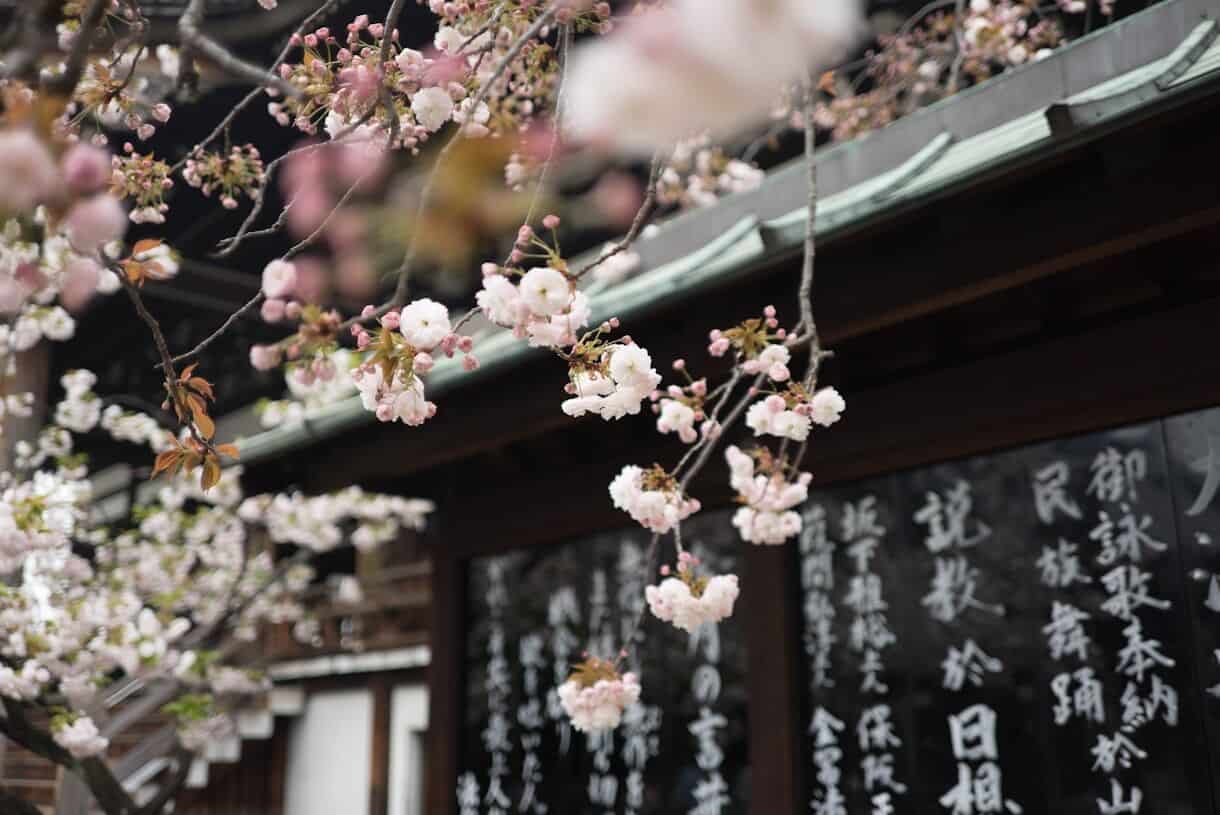
Timing your whole trip matters as much as timing individual bookings. Cherry blossom weeks in late March and early April draw the heaviest crowds of the year, with Golden Week in early May close behind. Shift your dates by two or three weeks in either direction and you’ll find better hotel rates and shorter queues at the same attractions.
Send Your Luggage Ahead
Luggage forwarding deserves more attention than most first-time visitors give it. You won’t always want to, or have the opportunity to, take internal flights, and hauling a large suitcase onto a rush-hour commuter train is genuinely miserable.
Takuhaibin door-to-door delivery services, most commonly Yamato’s Ta-Q-BIN, will move a suitcase from one hotel to the next for roughly ¥2,000 to ¥3,000 depending on size and distance, usually arriving the following day. Hand the bag to your hotel front desk the night before you check out, ride the shinkansen with a daypack, and collect it at your next reception.
Two things to watch. Keep your passport, medication, and anything you need that evening with you rather than in the forwarded bag. And allow an extra day for long hauls to Hokkaido or Okinawa, since next-day service doesn’t cover every route.
Pack Smart and Prepare for Local Etiquette
Before traveling to Japan, you’ll want to pack smart and prepare yourself for the local etiquette. If you’re from the West, Japan is about as big a culture shock as you will ever experience.
Make sure you wear easy slip-on footwear. You’ll be walking between 10,000 and 20,000 steps a day on a standard sightseeing tour, so you’ll need comfortable slip-on shoes as a basic necessity. You’ll also remove them at temples, at traditional inns, at some restaurants, and occasionally at museums, and laces cost you a minute at every threshold.
You’ll also want a small coin purse and a small garbage bag. Public trash bins are surprisingly scarce in Japanese cities, a legacy of security measures taken in the 1990s that stuck around, so you’ll need to carry a personal bag for your litter and dispose of it when you get back to your hotel. A dedicated coin purse is also helpful for making cash purchases, since Japanese coins go up to ¥500 and your pockets fill fast.
A few habits smooth the rest of it. Keep your phone on silent on trains and skip calls entirely. Eat your convenience store snack where you bought it rather than while walking. Skip tipping, which isn’t practiced and mostly confuses staff. Stand on the correct side of the escalator, which varies by city, and take your cue from the people around you.
Get the logistics settled early and the trip mostly runs itself. That’s the whole point of planning this hard: you spend your two weeks looking around instead of looking things up.
Featured image by Galen Crout on Unsplash
FOLLOW US ON INSTAGRAM


Information published on this website and across our networks can change over time. Stories and recommendations reflect the subjective opinions of our writers. You should consult multiple sources to ensure you have the most current, safe, and correct details for your own research and plans.