
Digital Nomad Life in Thailand: What You Need to Know
By: Mike Coleman
Skip to Section
Thailand remains one of the most popular destinations for remote workers, and the reasons are practical. The cost of living is low, the internet infrastructure is reliable, the visa situation is manageable, and the country offers enough variety to keep long-term residents from getting restless.
In many parts of the country, particularly outside central Bangkok, you can live comfortably for approximately $1,500 a month for a mid-range lifestyle in major hubs. That budget covers rent, food, coworking fees, transportation, and occasional travel within the region. If you’re considering a move to Thailand for remote work, here’s what you need to know to make it work.
Choosing Your Base

Thailand offers three primary hubs for digital nomads, each with a distinct character.
Bangkok
Bangkok is the largest and most cosmopolitan option. The capital offers world-class food, excellent public transit via the BTS and MRT systems, and a deep pool of coworking spaces and networking events. The downside is the heat, traffic, and higher costs compared to other Thai cities. Monthly rent for a furnished studio in a decent neighborhood ranges from $400 to $800, depending on location and amenities.
Chiang Mai
Chiang Mai built its reputation as the original digital nomad hub in Southeast Asia. The city is smaller, cooler (it sits at a higher elevation in the northern mountains), and significantly cheaper than Bangkok. A comfortable one-bedroom apartment might cost $250 to $400 per month. The nomad community is well-established, with regular meetups, coworking options, and a café culture that caters to laptop workers.
Phuket
Phuket and the surrounding islands appeal to remote workers seeking beach access and a slower pace. Infrastructure varies by location – some islands have reliable fiber internet, while others struggle with connectivity. Costs depend heavily on proximity to tourist areas. Living in a local neighborhood costs far less than staying near popular beaches.
Most digital nomads start in one location and move around as they learn what works for them. Thailand’s domestic flights and buses are cheap enough that relocating every few months remains practical.
If you are planning to base yourself in Chiang Mai or Northern Thailand, you must account for the Burning Season, which runs from February through April. During this time, agricultural burning in the region and neighboring countries causes a massive spike in air pollution, pushing the Air Quality Index to hazardous levels. Most digital nomads follow a seasonal migration pattern to avoid this: they spend the winter in the North and then head to Bangkok or islands like Koh Samui or Phuket once the smoke arrives.
Finding Short-Term Accommodation
Long-term hotel stays and serviced apartments work well for your first few weeks while you get oriented. After that, most nomads transition to monthly condo rentals for better value.
- Read our guide to digital nomad housing around the world – includes apartments, vacation rentals, hostels, hotels, and more.
Many vacation rental companies offer monthly discounts on their listings, making this a reasonable option for stays of 28 days or longer. If you want to go beyond Airbnb, then Facebook groups dedicated to housing in specific Thai cities often list furnished condos available directly from local owners – this can cost less to book than through larger platforms.
When evaluating listings, prioritize these factors:
- Internet speed is incredibly important. Ask for a speed test screenshot before booking. Anything above 100 Mbps download should handle video calls and large file transfers without issues. Many newer condos offer fiber connections.
- Air conditioning is non-negotiable. Thailand is hot year-round, and working in a room without climate control will drain your productivity and overheat your electronics. Confirm the unit has functioning AC and ask about electricity costs, which are frequently billed separately from rent.
- Location affects daily quality of life. Proximity to public transit (in Bangkok), walkable food options, and a nearby coworking space or café can reduce friction in your routine. Spending an extra $50-100 per month on a better location might pay for itself in convenience.
- Avoid signing leases longer than one to three months until you’re certain about a location. Flexibility is one of the main advantages of nomad life – don’t lock yourself into a six-month contract before you know whether the neighborhood suits you.
One of the most important, yet often overlooked, legal requirements for living in Thailand is the TM30 form. Thai law requires every landlord to report the arrival of a foreign guest to immigration within 24 hours of their check-in, regardless of whether the guest is staying in a hotel, Airbnb, or private condo. This is particularly important for digital nomads who may need to extend their visas, open local bank accounts, or obtain a Thai driver’s license – without proof of this form filing, your applications for these services can be denied, or you may need to pay a fine.
Coworking Spaces Worth Knowing
Thailand’s coworking scene ranks among the best in Asia. Most spaces offer day passes, weekly rates, and monthly memberships, so you can test a few before committing.
In Bangkok, True Digital Park in the Punnawithi area is one of the largest tech-focused coworking spaces in Southeast Asia. The Hive operates multiple locations across the city with professional environments and regular community events. Glowfish offers flexible options in central business districts.
Chiang Mai’s options include Punspace, which operates three locations around the city, and Yellow Coworking in the Nimman neighborhood. Both are known for reliable internet and a steady flow of international remote workers.
For island-based work, KoHub on Koh Lanta combines coworking, community programming, and coliving. Connectivity on the islands varies, so confirming internet speeds before booking is especially important.
Many nomads split their time between coworking spaces and cafés. Coworking spaces provide reliability and air conditioning for important calls or deadline-heavy days. Cafés offer variety and lower costs for lighter work sessions. Having both options available keeps the routine from getting stale.
Rewarding Yourself Without Breaking the Budget
One advantage of Thailand’s affordability is that occasional indulgences remain within reach. A night at a new hotel Bangkok property after finishing a demanding project can serve as a reset – access to a pool, quality bedding, and attentive service offers a contrast to everyday condo life.
Luxury in Thailand costs significantly less than in the UK or the US. A five-star hotel room that would run $400 per night in London or New York might cost $150 in Bangkok. Spa treatments, fine dining, and weekend trips to resort areas are all more accessible when your baseline living costs are low.
Building these occasional upgrades into your budget helps prevent burnout. Remote work can blur the boundaries between professional and personal time, and deliberate breaks – even short ones – help maintain the separation.
Balancing Tourism with Daily Life
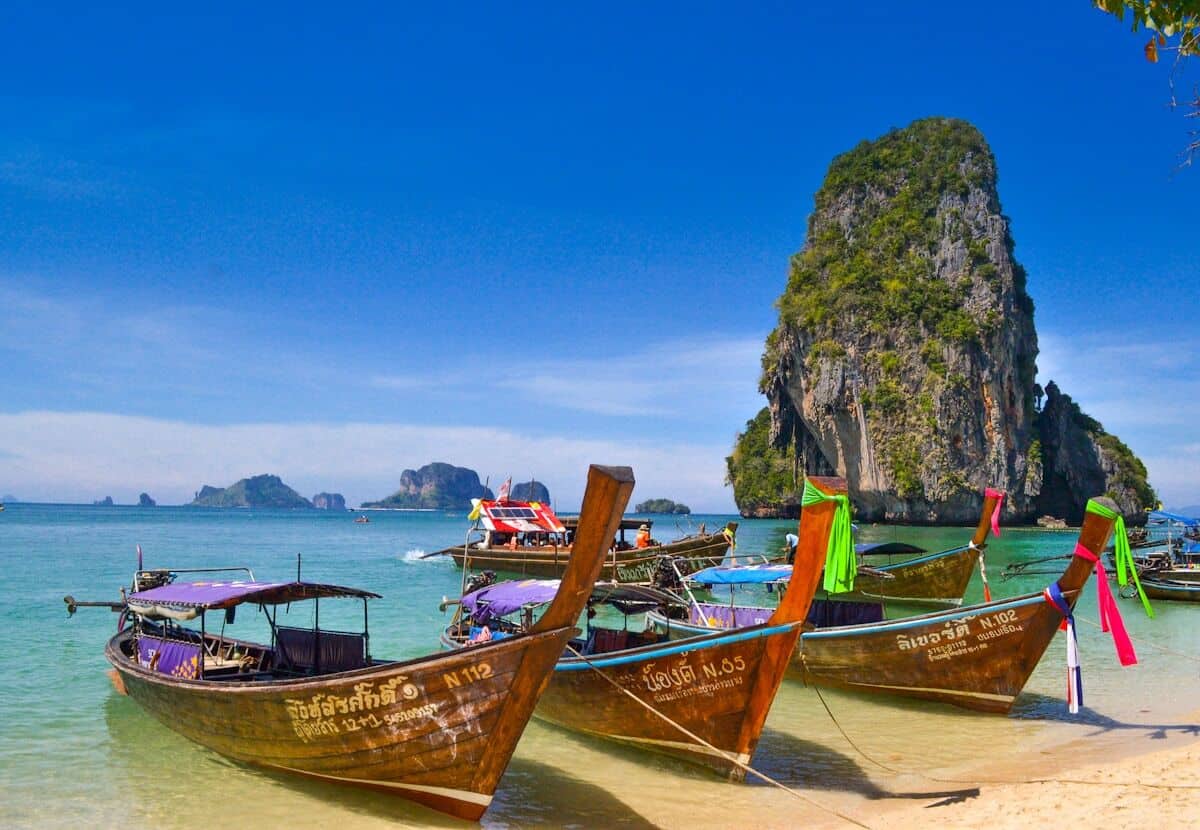
The temptation is to treat every week like a vacation. Thailand has temples, beaches, national parks, and islands that deserve your attention. The Grand Palace in Bangkok, the old city temples in Chiang Mai, and the limestone karsts of Krabi are all worth visiting.
But sustainable nomad life requires routine. If you’re constantly traveling, you’ll struggle to maintain work quality and client relationships. The better approach is building a regular weekly schedule – work hours, exercise, social activities – and treating tourism as a deliberate break rather than a constant state.
Living like a local also significantly reduces costs. Eating at neighborhood food stalls instead of tourist restaurants saves money and often tastes better. Shopping at fresh markets rather than supermarkets cuts grocery bills. Using public transit or renting a scooter instead of taking taxis keeps transportation costs minimal.
The longer you stay in one place, the more you learn about the rhythms of daily life there. That knowledge compounds – you find the best coffee shop for morning work, the quiet park for afternoon walks, the food stall with the best pad kra pao. These discoveries take time, and constant movement prevents them.
Learning the Language
English is widely spoken in tourist areas and major cities, but even basic Thai improves daily interactions. Learning greetings, polite expressions, numbers, and common food vocabulary takes a few weeks of casual study and makes everything from ordering food to negotiating rent easier.
For stays of three months or longer, enrolling in Thai language classes in Bangkok or Chiang Mai is worth considering. Structured learning accelerates progress beyond what apps and self-study typically achieve. Many language schools also assist with visa extensions, as the Education Visa (ED Visa) allows students enrolled in approved programs to stay longer.
Beyond practical benefits, language learning signals respect for the culture you’re living in. Even imperfect attempts at Thai are usually met with appreciation and often lead to warmer interactions.
Visa Considerations
Technically, working remotely for foreign clients while on a tourist visa occupies uncertain legal ground. Many nomads do it anyway, cycling between 60-day tourist visas and border runs or visa exemptions.
The Destination Thailand Visa (DTV), introduced in 2024, offers a more legitimate option for remote workers. It allows stays of up to 180 days (extendable to 360 days with multiple reentries) and explicitly permits remote work for non-Thai employers. The visa requires proof of income or savings, as well as documentation of your remote work arrangement.
Education visas provide another path for longer stays. Enrolling in language classes, Muay Thai training, or cooking courses can qualify you for an ED visa, which allows one-year stays with periodic renewals.
Research current visa requirements before arriving, as rules change periodically. What worked for nomads a few years ago may no longer apply.
Ready to Travel?
Thailand offers a combination that’s hard to find elsewhere: low costs, strong infrastructure, a welcoming culture, and enough variety to keep long-term residents engaged. The country has hosted digital nomads for over a decade, and the infrastructure – both physical and social – reflects that history.
Success as a nomad in Thailand depends on treating it as a place to live rather than a place to visit. Build routines. Develop local relationships. Learn about the culture beyond tourist experiences. The longer you stay, the more the country reveals.
About the Author
Mike is a writer who researches and shares actionable advice around travel lifestyle, finance, and personal growth. He loves any trip where he can explore the great outdoors, and believes everyone should be able to experience travel for personal development and fulfillment. Read his other articles on Frayed Passport here.Featured image by Sumit Chinchane on Unsplash
FOLLOW US ON INSTAGRAM


Information published on this website and across our networks can change over time. Stories and recommendations reflect the subjective opinions of our writers. You should consult multiple sources to ensure you have the most current, safe, and correct details for your own research and plans.