

Considering Traveling to Tulum? Here Are the Essentials
By: Mike Coleman
Skip to Section
Tulum has grown into one of Mexico’s most visited destinations, and it’s not hard to see why. The combination of Caribbean coastline, ancient Maya ruins, and a well-developed food and wellness scene gives it a range that few destinations in the region can match. But like any trip that requires real planning, showing up underprepared will cost you – in money, time, and enjoyment. Here’s what to sort out before you go.
Choosing the Right Accommodation
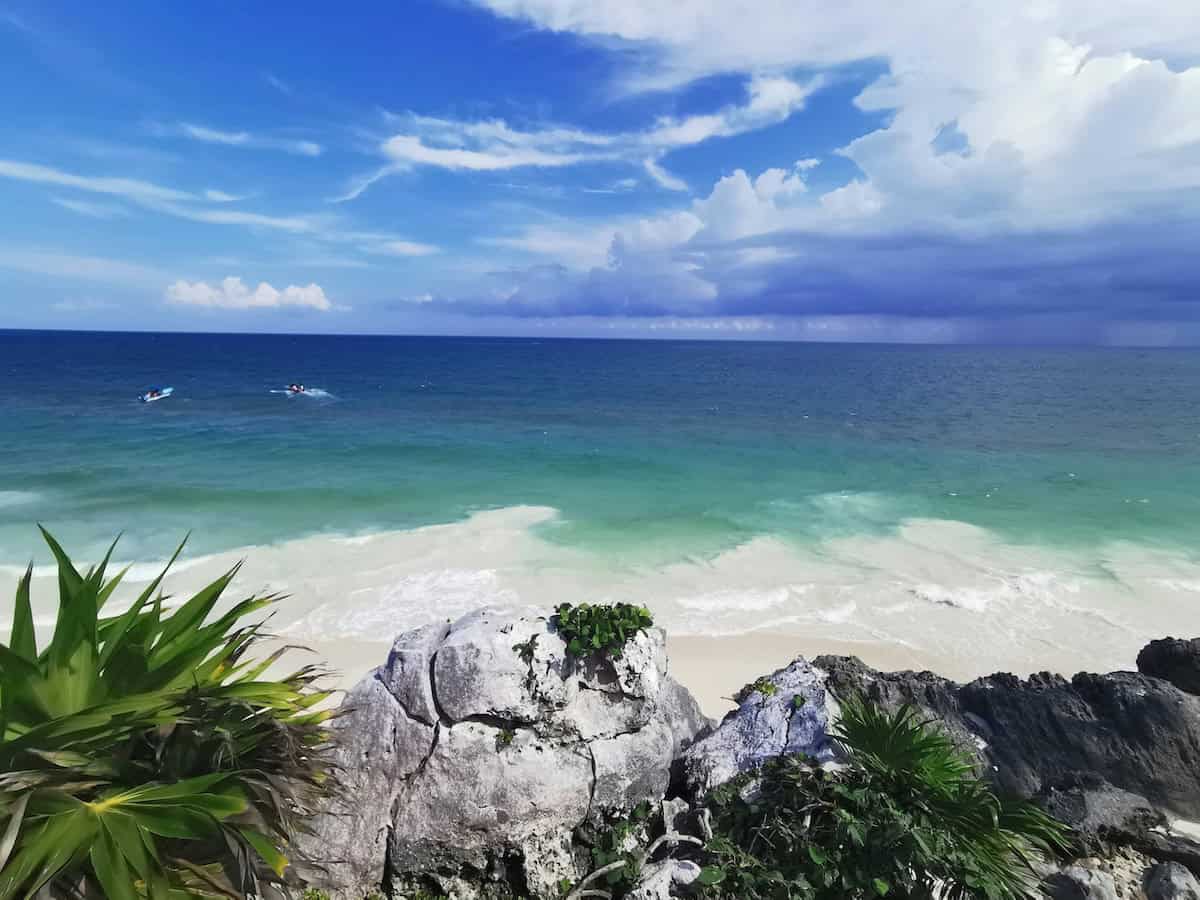
Photo by Marco Murakami on Unsplash

Where you stay in Tulum shapes the entire trip, so this decision deserves more thought than just picking whatever looks good in photos.
Tulum splits fairly cleanly into two main areas. Tulum Pueblo is the town center – more affordable, walkable, and close to local restaurants, shops, and transport. If you want to spend your days out exploring and just need somewhere practical to return to at night, staying in Pueblo makes financial and logistical sense.
Tulum Beach, the hotel zone that runs along the coast, is a different experience entirely. Accommodation here tends to be pricier, but you’re steps from the water and surrounded by the bohemian beach-club atmosphere that Tulum is known for. If beach access is your priority, the premium is worth it.
For travelers who want everything in one place, a full-service resort is the most straightforward option. La Zebra Tulum resort is one example of a property that puts amenities, comfort, and beach access together without requiring you to plan around logistics. This works especially well if your goal is a low-effort trip focused on rest rather than constant movement.
One practical note: Tulum Beach has limited public transport connections, so factor in how you’ll get around if you’re staying outside the town center. Renting a bike or a scooter is a common and cost-effective solution.
Understanding the Climate and Staying Safe in the Heat
Tulum is hot, and if you’re not accustomed to high humidity alongside that heat, it can be extremely draining. Knowing when to go and how to manage the conditions makes a significant difference to your experience.
The dry season runs from November through April and is generally the most comfortable time to visit. Temperatures are warm without being extreme, humidity is lower, and you’re unlikely to run into the heavy rainfall that the summer months can bring. Peak season falls between December and February, which means higher prices and more crowds – if you want better value without sacrificing good weather, aim for November or March.
If you visit between May and October, prepare for heat indexes that regularly exceed 100°F and an increased chance of afternoon downpours. That said, rain in Tulum tends to come in short bursts rather than lasting all day, and visiting in the shoulder season does come with lower accommodation rates and thinner crowds at popular sites.
Regardless of when you go, sun protection isn’t optional. Pack light, breathable clothing, a high-SPF sunscreen, and reapply it every two hours when you’re outside. Dehydration is a real risk – carry water with you whenever you’re out, particularly if you’re visiting open archaeological sites like the Tulum Ruins, where shade is limited.
Getting Around Tulum
Tulum doesn’t have a centralized public transit system, so you’ll need to think through transportation before you arrive.
Renting a car gives you the most flexibility, particularly if you want to visit sites outside Tulum itself, like the Cobá ruins or the biosphere reserve at Sian Ka’an. Taxis and colectivos (shared minivans) are widely available and inexpensive for shorter trips within the area. Cycling is a practical option for getting between the town and beach zones, and bike rentals are easy to find.
If you’re flying into Cancún International Airport, the most common entry point, Tulum is roughly two hours south by road. Pre-booking a shuttle or private transfer is worth doing – arrival day logistics are much smoother when that part is already handled.
Planning Your Activities
Tulum has enough to fill two weeks, which means the real challenge isn’t finding things to do – it’s prioritizing.
The Tulum Archaeological Zone is the obvious starting point. The ruins sit on a cliff above the Caribbean and are among the few Maya sites with a direct ocean view. Go early – it gets crowded by mid-morning and the open terrain offers little shade.
Cenotes are one of the region’s defining natural features. The Yucatán Peninsula sits on a vast network of underground rivers and limestone sinkholes, and many of them are open for swimming and snorkeling. Gran Cenote and Dos Ojos are among the most accessible from Tulum, and are worth booking in advance during peak season.
Sian Ka’an Biosphere Reserve, a UNESCO World Heritage site, covers over 1.3 million acres of wetlands, jungle, and coastline south of Tulum. Guided tours run from the town and typically include boat travel through the reserve’s canal system.
Keep your itinerary realistic. Trying to fit the ruins, a cenote, and a day trip to Sian Ka’an into the same day will leave you exhausted and rushed. Space things out, leave room for unplanned time, and accept that you won’t see everything in one trip.
Practical Considerations Before You Go
A few logistics worth confirming before departure: the Mexican peso is the standard currency, and while tourist areas in Tulum increasingly accept cards, cash is still widely used and expected at smaller restaurants, markets, and some cenotes. Withdraw pesos on arrival rather than exchanging at the airport, where rates are poor.
Travel insurance that covers medical evacuation is worth having. Healthcare facilities in Tulum are limited compared to larger Mexican cities, and serious medical situations may require transport to Cancún or Playa del Carmen.
Finally, entry requirements for Mexico are straightforward for most nationalities – no visa is required for US, UK, Canadian, or EU citizens for stays under 180 days – but verify current requirements before you travel, as these details can change.
About the Author
Mike is a writer who researches and shares actionable advice around travel lifestyle, finance, and personal growth. He loves any trip where he can explore the great outdoors, and believes everyone should be able to experience travel for personal development and fulfillment. Read his other articles on Frayed Passport here.Featured image by Jorge Fernández Salas on Unsplash
FOLLOW US ON INSTAGRAM


Information published on this website and across our networks can change over time. Stories and recommendations reflect the subjective opinions of our writers. You should consult multiple sources to ensure you have the most current, safe, and correct details for your own research and plans.