
The Secrets Behind Your Favorite Travel Spots
Skip to Section
The best-looking places usually have the strangest stories attached to them. You book a trip for the view and come home remembering something else entirely: what happened on that beach, why the market sits exactly where it sits, how a dish you ate got its heat.
Doing that turns a pleasant week away into something you’ll still be thinking about years later.
The Story Under the Scenery

Standing in front of a famous site, taking a photo, and moving on is the default. Pause instead, ask one question about what you’re looking at, and the whole thing rearranges itself.
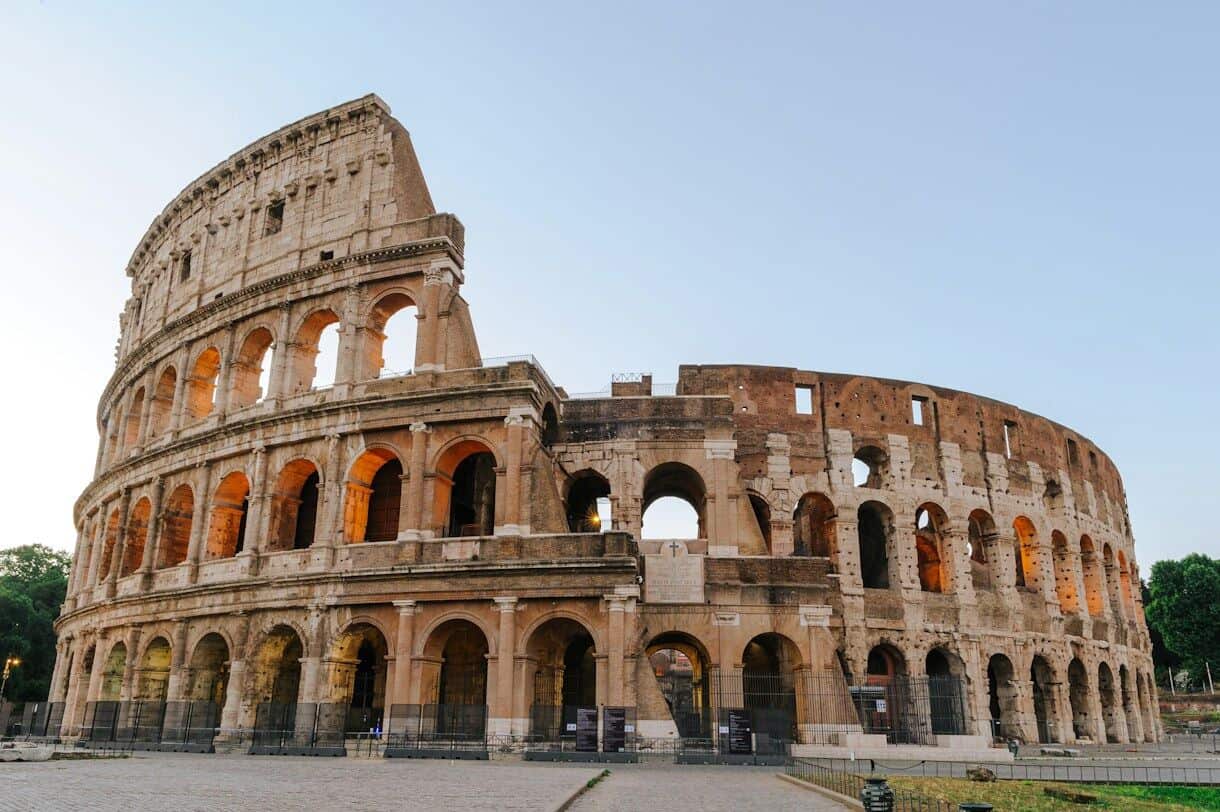
Take the Colosseum. It opened in AD 80 and seated somewhere around 50,000 people, with a system of underground lifts that raised animals and scenery into the arena on cue. The part most visitors get wrong is the violence. Gladiators were expensive to train and house, and their matches usually ended in submission rather than death, since owners had no interest in destroying their own investment. The staged executions on the same program were a different matter.
Or the beaches of Normandy. They look like ordinary French coastline until you know that around 156,000 Allied troops came ashore across five of them on June 6, 1944, in the largest seaborne invasion ever attempted.
This layer sits under smaller places too. A quiet fishing village might have spent two centuries fending off raiders. A city market might have been trading on the same corner for a thousand years. Learn the context and the view stops being scenery and starts being evidence.
Unearthing Local Legends
Official history is one account. Folklore is the other, and it tells you things the archive never will, because a community’s stories reveal what it valued, feared, and warned its children about.
The stories are also frequently better than their reputations suggest. Scotland’s most famous lake creature is a good example. The 1934 “surgeon’s photograph” that fixed the image of a long neck rising from the water in everyone’s mind was built from a toy submarine with a putty head, a fact one of the conspirators confessed in 1994, sixty years after the fact. The legend carried on anyway, which is the interesting part.
Iceland’s hidden people, the huldufólk, get similar treatment abroad. The common claim that most Icelanders believe in elves overstates it considerably. What surveys tend to find is that a large share of people decline to rule them out, which is a more careful and more revealing position than the headline version.
In the Dominican Republic, the Ciguapa appears as a woman with long hair and backward-facing feet, so that anyone tracking her walks in the wrong direction. Parents told the story to keep children from going too deep into the forest, which is what most forest legends are doing underneath the supernatural detail.
Chasing these stories down is one of the easier pleasures of travel. You’ll hear them from storytellers at local festivals, from guides who grew up nearby, or from a shopkeeper with ten spare minutes.
What a Good Guide Actually Gives You
You can turn up a lot on your own, but sometimes the best way to find hidden spots is with an expert guide. Many destinations offer specialized tours and excursions that go well past the standard sightseeing checklist, led by people who have spent their lives in the place.
Picture walking through Taino caves with someone who can read the petroglyphs on the walls, or touring a cocoa plantation with a family that has grown the crop for generations. A good guide knows which stories are contested, which sites reward a second visit, and which local spot is worth your one free evening.
They also answer questions, which sounds obvious until you’ve stood in front of something confusing with nobody to ask. Booking a tour built around history, food, or working life turns a day of looking into a day of actually learning something.
Reading a City Like a Book
History isn’t confined to museums. It sits in street names, building facades, and the contents of dinner.
Prague is the easy case. A single street can show you Gothic spires, Baroque fronts, and Art Nouveau ironwork, each layer marking a different ruler and a different economy. The reason so much survives is that the city came through the Second World War with far less bomb damage than most of central Europe.
Food tells the story even more directly, and it usually contradicts what you assume. Two examples worth knowing:
The heat in Southeast Asian cooking is recent. Chili peppers are native to the Americas, and Portuguese traders carried them into Asia in the 16th century along their Goa and Malacca routes. Before that, cooks built heat from black pepper, ginger, and galangal. Thai food as you know it is roughly 500 years old at the outside.
Italian pasta doesn’t come from ancient Rome. Romans ate lagana, sheets of dough that were baked or fried rather than boiled. Dried pasta came to Sicily with Arab traders, who brought durum wheat and drying techniques between the 9th and 11th centuries, and a geographer recorded industrial-scale production at Trabia near Palermo in 1154. Tomatoes arrived from the Americas in the 1500s and weren’t commonly paired with pasta until centuries later. The Marco Polo story is a myth invented by an American trade magazine in 1929.
Once you start noticing this, a destination turns into a puzzle with visible seams. There are many unique travel destinations where those seams show clearly, and spotting them costs nothing but attention.
Finding Authentic Experiences
Playing historical detective on a trip is easier than it sounds. It takes curiosity and a willingness to leave the main route.
Skip past the big national museum occasionally and find the small specialized one instead: a maritime museum in a port town, a textile museum where the weaving industry was. These hold objects and stories that never make it into the general collection, and you’ll often have the rooms to yourself.
Leave unplanned hours in your schedule, too. Walk through residential streets, look into workshops, and talk to people. Ask a baker about the family recipe or a boat owner about the hull design. Most people are proud of where they’re from and glad someone asked.
Next trip, set yourself a challenge: learn one true thing about your destination that isn’t on the plaque. It’ll change what you notice for the rest of the week.
Featured image by Matteo del Piano on Unsplash
FOLLOW US ON INSTAGRAM


Information published on this website and across our networks can change over time. Stories and recommendations reflect the subjective opinions of our writers. You should consult multiple sources to ensure you have the most current, safe, and correct details for your own research and plans.