
8 U.S. Cities Where $3,000 a Month Goes Further Than You’d Think
By: Mike Coleman
Skip to Section
Three thousand dollars a month feels like a tight budget in much of the country. In San Francisco, that figure barely covers the rent on a one-bedroom apartment, where the average is just under $4,000. Move a few hundred miles inland, though, and the same amount can cover housing, groceries, transportation, and even entertainment.
The national median rent for a one-bedroom apartment hit $1,510 in April 2026. The eight cities below all come in comfortably under that number. If you work remotely or you are weighing a move, here is where your paycheck buys more room to breathe.
1. Pittsburgh, Pennsylvania
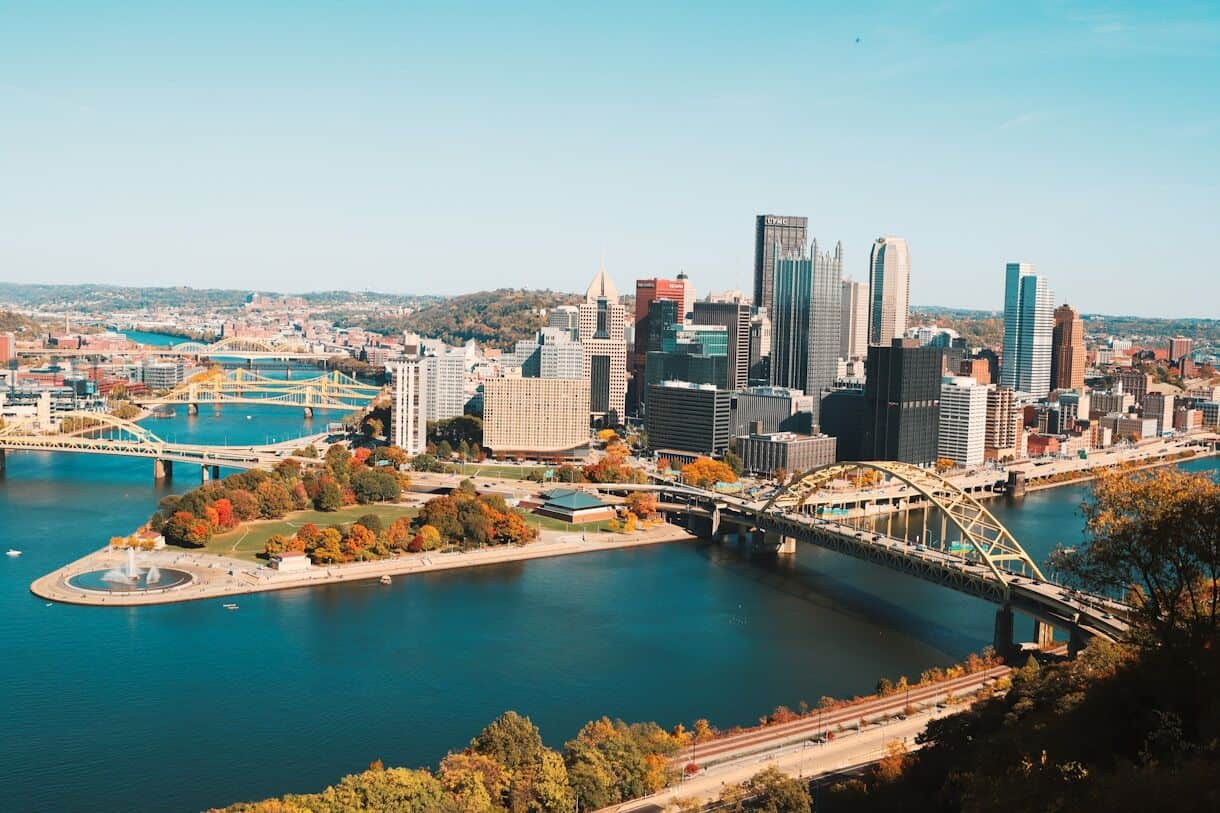
Pittsburgh keeps landing on affordability lists, and for good reason. Realtor.com named it the most affordable large housing market in 2026, with a median listing price of $250,000, roughly $150,000 below the national median. Median rent across all property types is about $1,500, which is 21% under the national figure.
The city sits at the confluence of three rivers, has many free museums, and runs a reliable transit system, meaning you may not even need a car if you live here. Tech and healthcare jobs anchored by Carnegie Mellon and the universities give the local economy a steadier footing than its old steel-town reputation suggests. On $3,000 a month, you can rent comfortably, eat well, and still save a fair bit of your income.
2. Buffalo, New York
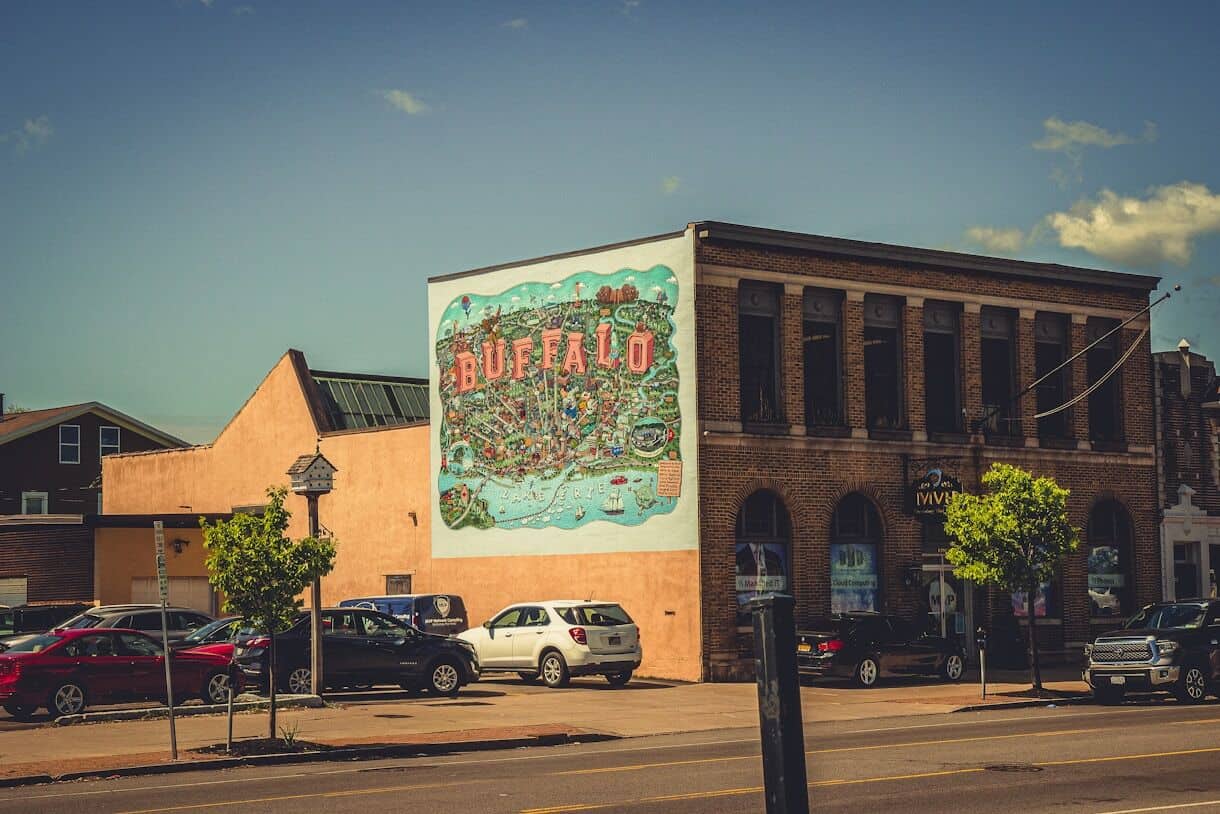
Buffalo proves that a New York address doesn’t have to destroy your budget. Median home prices in the metro stay under $230,000, and the overall cost of living lands well below the national average. $3,000 can cover rent, utilities, and a famously good food scene.
The city has spent the last decade rebuilding its waterfront and downtown core, so you get walkable neighborhoods, a strong arts community, and quick access to Niagara Falls. Winters can be brutal, so you will need to budget for heating, but the trade-off is a major metro where a single income covers a good life.

3. Indianapolis, Indiana
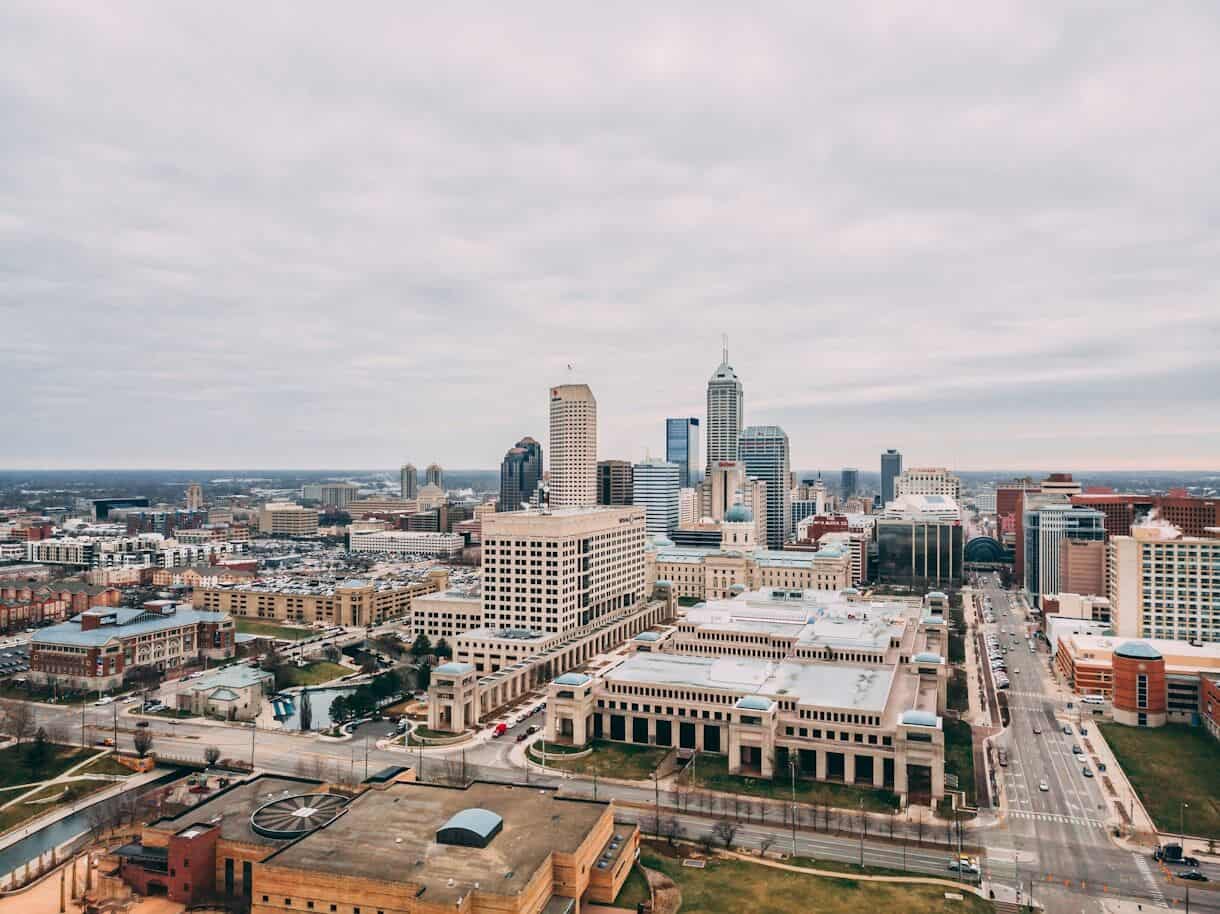
Indianapolis is one of the more affordable large cities in the Midwest. The average apartment rents for about $1,500. That leaves another $1,500 for everything else when you are working with a $3,000 budget.
The flat terrain makes it a cyclist’s city, downtown is compact and walkable, and dining-out costs are affordable. Indianapolis also runs on a diversified economy spanning logistics, healthcare, and sports, so you are not betting your move on a single industry. For young professionals and remote workers, it has big-city amenities at small-city prices.
4. Oklahoma City, Oklahoma
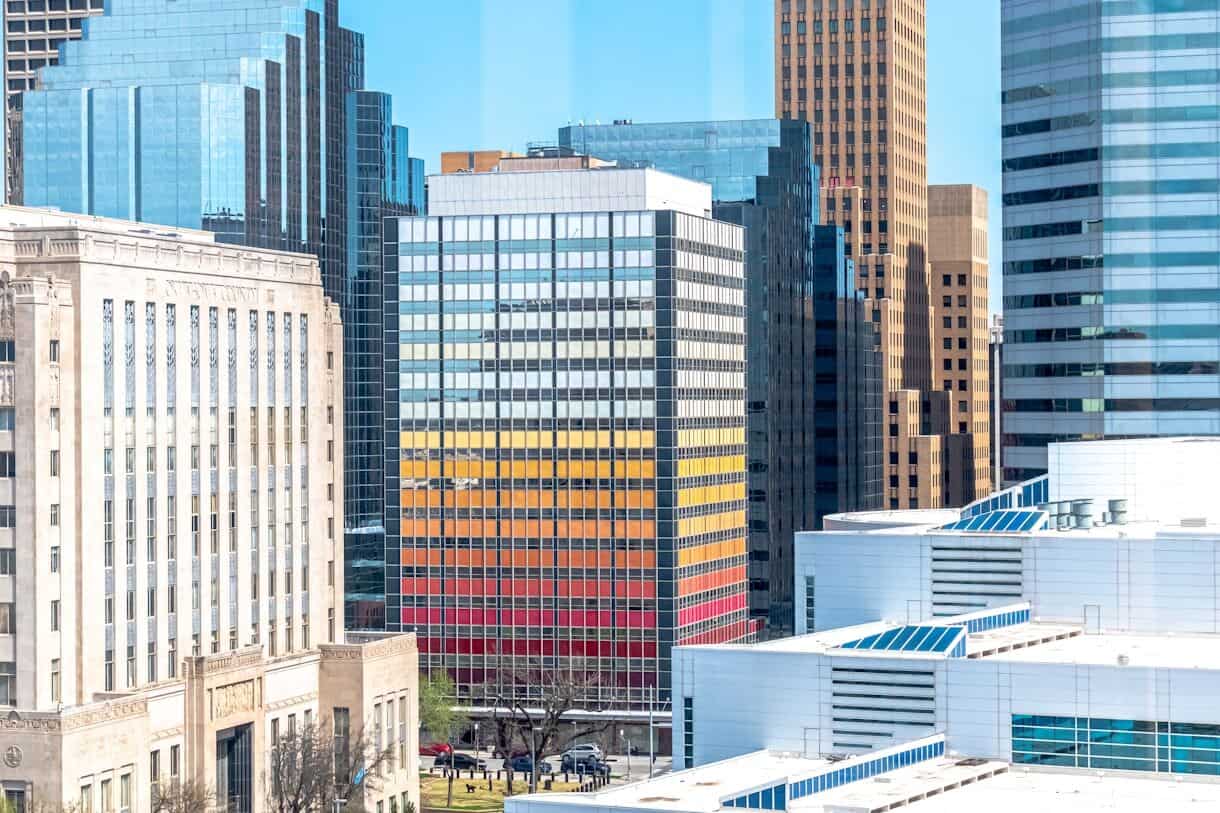
Photo by Alex Woods on Unsplash
Oklahoma City sits among the cheapest metros in the country. Apartment rental averages are around $936 – with housing prices that low, $3,000 a month goes a remarkably long way.
The city has poured money into its downtown over the past 20 years, adding a riverfront, a revived arts district, and an NBA team that gives the place a big-league feel. You will want a car here, so factor in fuel and insurance, but even with those costs, the math stays comfortably in your favor.
5. Tulsa, Oklahoma
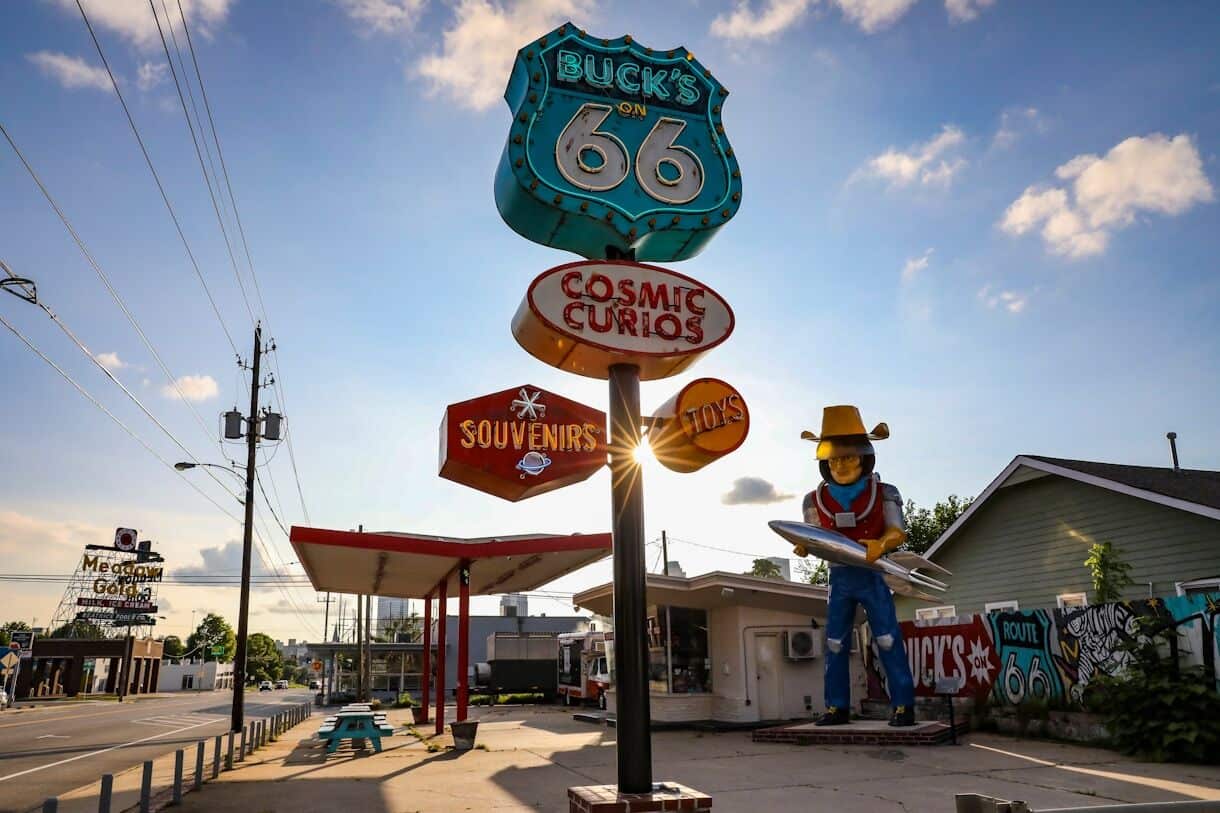
Photo by Mick Haupt on Unsplash
Tulsa edges out even Oklahoma City on rent, with the metro average sitting near $913, among the lowest in the nation. The city has also gone out of its way to attract remote workers through its Tulsa Remote program, which pays qualifying movers to relocate to the area.
What you find when you arrive is a city with a deep art deco architectural heritage, a growing food scene, and easy access to the outdoors along the Arkansas River. The Tulsa Remote grant adds a financial cushion on top of already low costs. On $3,000 a month here, you can live well, save aggressively, and still have money for weekend trips.
6. Memphis, Tennessee
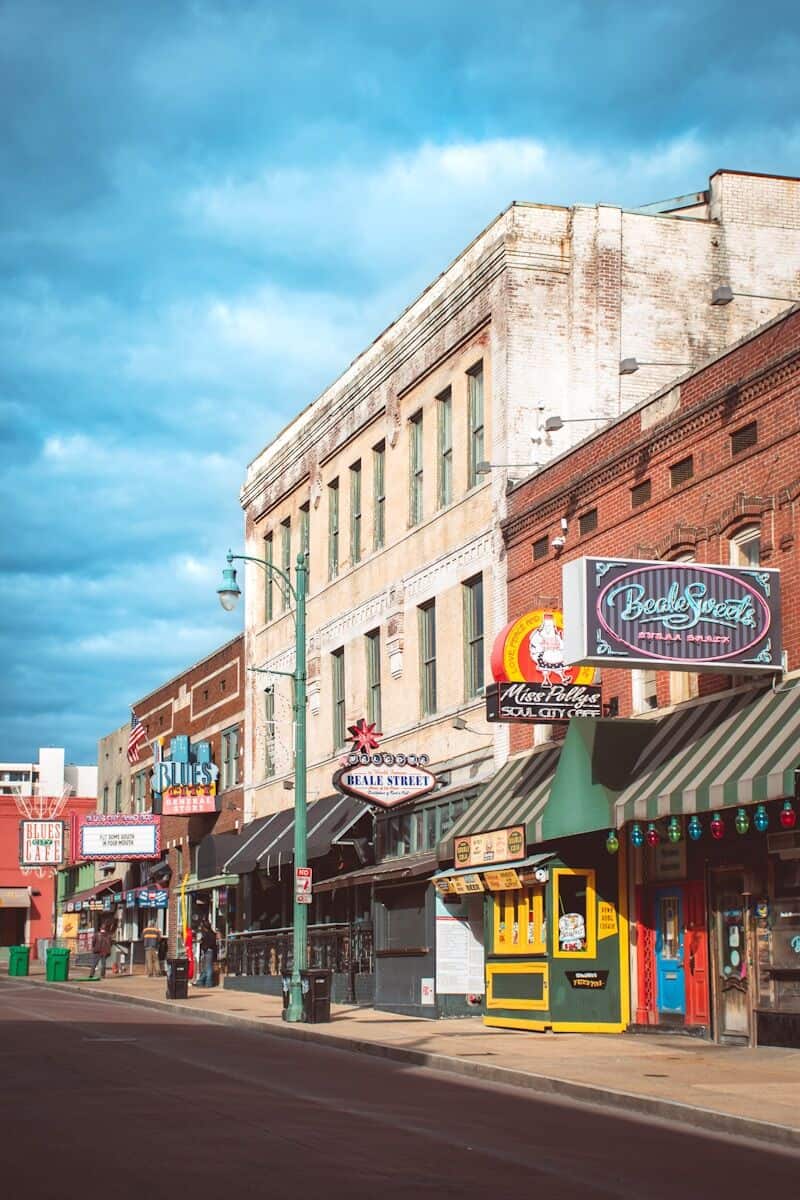
Photo by Gabriel Tovar on Unsplash
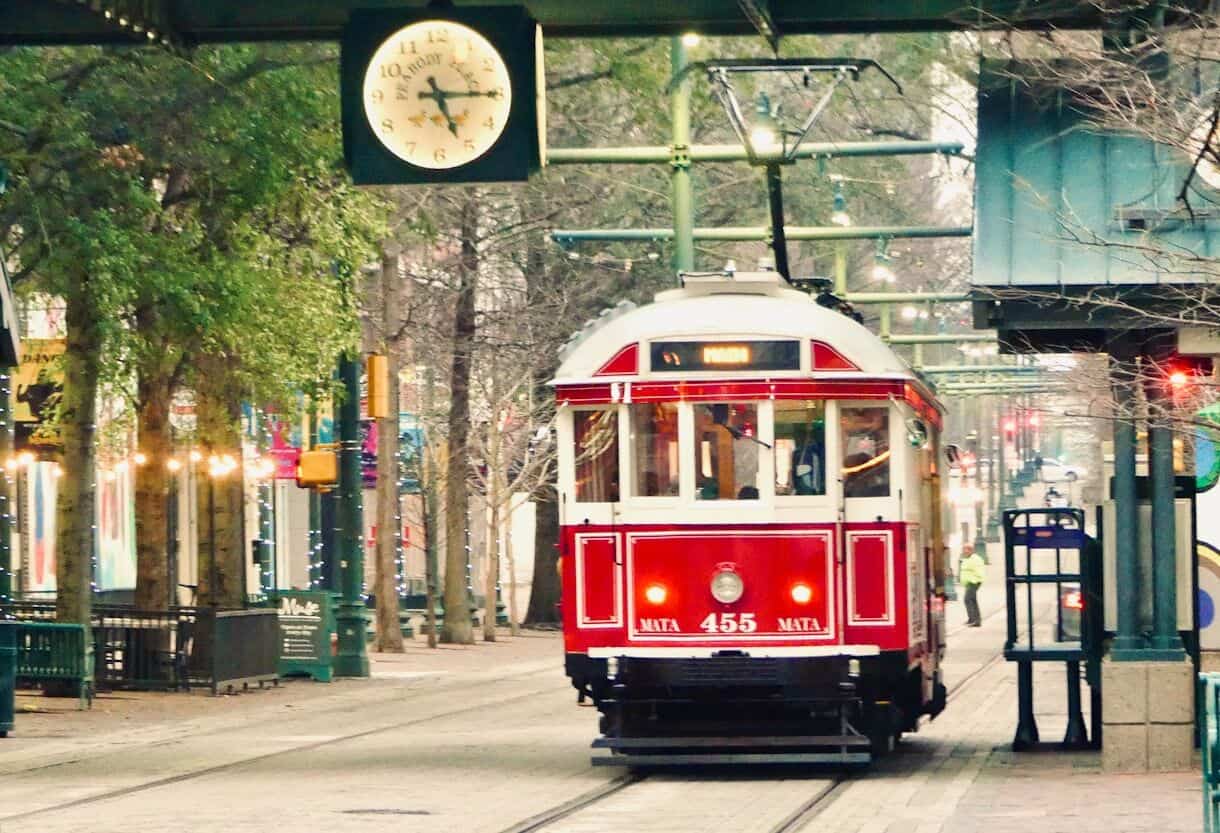
Memphis combines low rent with a music and food culture that punches far above its price tag. The metro median rent sits near $1,056, and Tennessee charges no state income tax on wages, so your take-home pay covers more ground.
Memphis is the home of Beale Street, Sun Studio, and an incredible barbecue scene. Beyond the music history, you get a walkable downtown, a riverfront, and proximity to outdoor escapes. The lower cost of living here means a $3,000 budget supports a lifestyle that would cost twice as much in a coastal city.
7. Cincinnati, Ohio
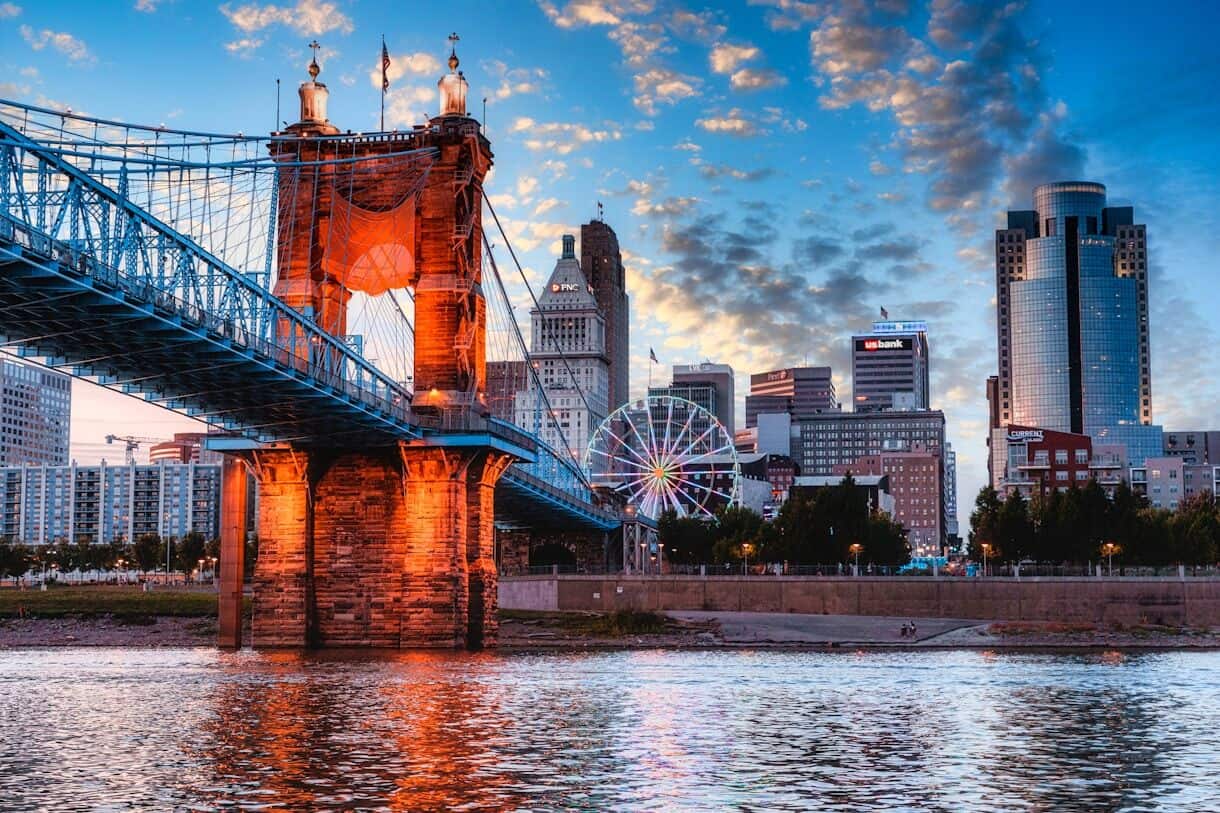
Photo by Jake Blucker on Unsplash
Cincinnati offers Midwest affordability with a distinct architectural character. The metro median rent is about $1,140, comfortably below the national average and leaving plenty of room in a $3,000 monthly budget.
The Over-the-Rhine district is home to one of the largest collections of Italianate buildings in the country, now filled with restaurants, breweries, and shops. The city sits on the Ohio River, runs a free downtown streetcar, and hosts professional baseball and football. For the price of a studio in a coastal market, you can rent a real apartment here and still afford to go out several nights a week.
8. Knoxville, Tennessee
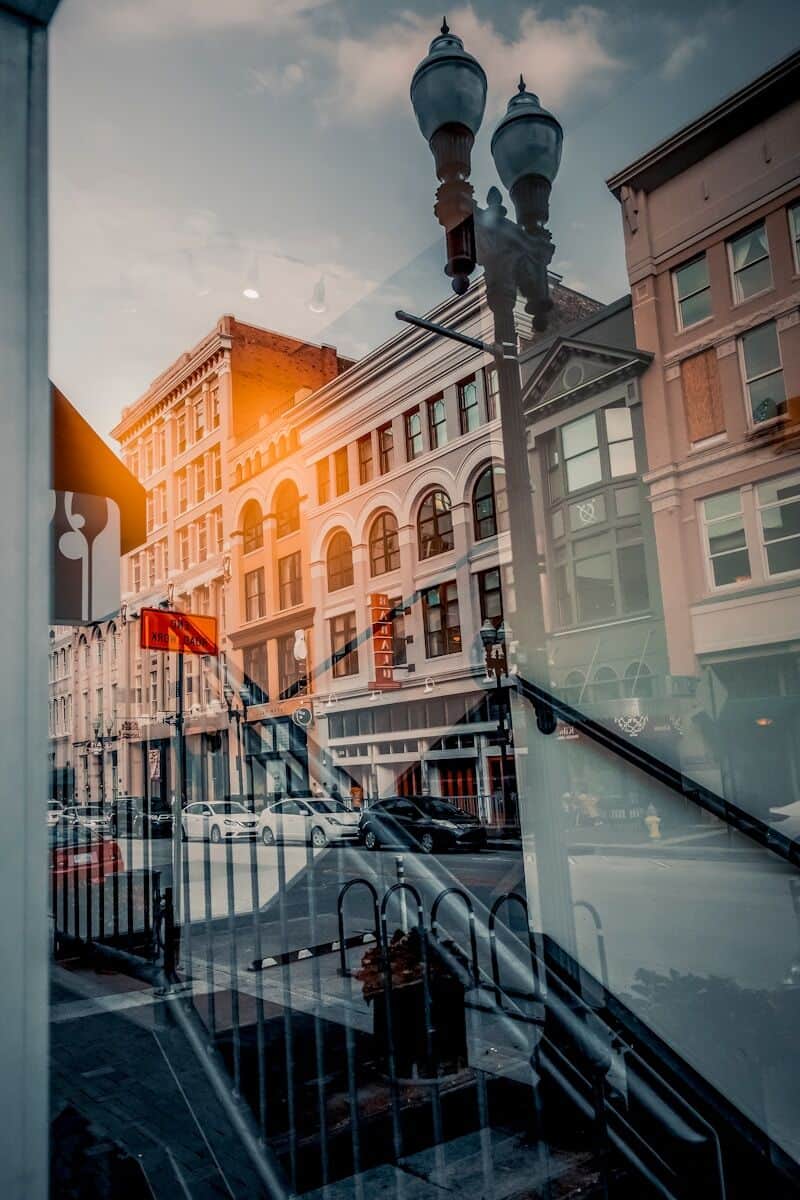
Photo by Drew Beamer on Unsplash
Knoxville rounds out the list as a smaller city with outsized access to the outdoors. Rents have softened recently, with the city average around $1,750 and cheaper neighborhoods well below that. Tennessee’s lack of a state income tax applies here, too, stretching your earnings further.
The big draw is location. Knoxville sits at the doorstep of Great Smoky Mountains National Park, the most visited national park in the country, so weekend hikes and waterfalls are a short drive away. The downtown has filled in with restaurants and music venues, anchored by the University of Tennessee. A $3,000 budget here covers a comfortable apartment plus regular trips into the mountains.
How to Make the Most of Your Budget
The pattern across these eight cities is simple. Lower housing costs free up income for other expenses, and if you can move to a state with no income tax, that adds another layer of savings. Before you commit to any move, run the numbers on transportation, since car-dependent cities like Oklahoma City and Tulsa add fuel and insurance that walkable Pittsburgh or Buffalo do not.
Compare a few specific neighborhoods rather than citywide averages, check what your job market looks like locally if you are not remote, and account for the climate you can actually live with. Get those pieces right, and $3,000 a month buys you a good life in any of these places.
About the Author
Mike is a writer who researches and shares actionable advice around travel lifestyle, finance, and personal growth. He loves any trip where he can explore the great outdoors, and believes everyone should be able to experience travel for personal development and fulfillment. Read his other articles on Frayed Passport here.Featured image by Wally Holden on Unsplash
FOLLOW US ON INSTAGRAM


Information published on this website and across our networks can change over time. Stories and recommendations reflect the subjective opinions of our writers. You should consult multiple sources to ensure you have the most current, safe, and correct details for your own research and plans.