
5 Types of Travel and How to Pick the Right One for Your Next Trip
Skip to Section
Most trips fall into one of a handful of categories, and figuring out which kind of trip you actually want is the single most useful thing you can do at the planning stage. The mistake people make is mixing them up: trying to do a luxury beach trip, a cultural deep dive, and an adventure trek in the same week. Each of those is a great trip on its own. Combined, they cancel each other out, and you come home tired and vaguely disappointed.
The better approach is to decide on the main focus for your journey, and let the rest support it. Here’s a breakdown of a few fun travel styles, what makes each one worth considering, and how to plan one well.
1. Wellness Retreats

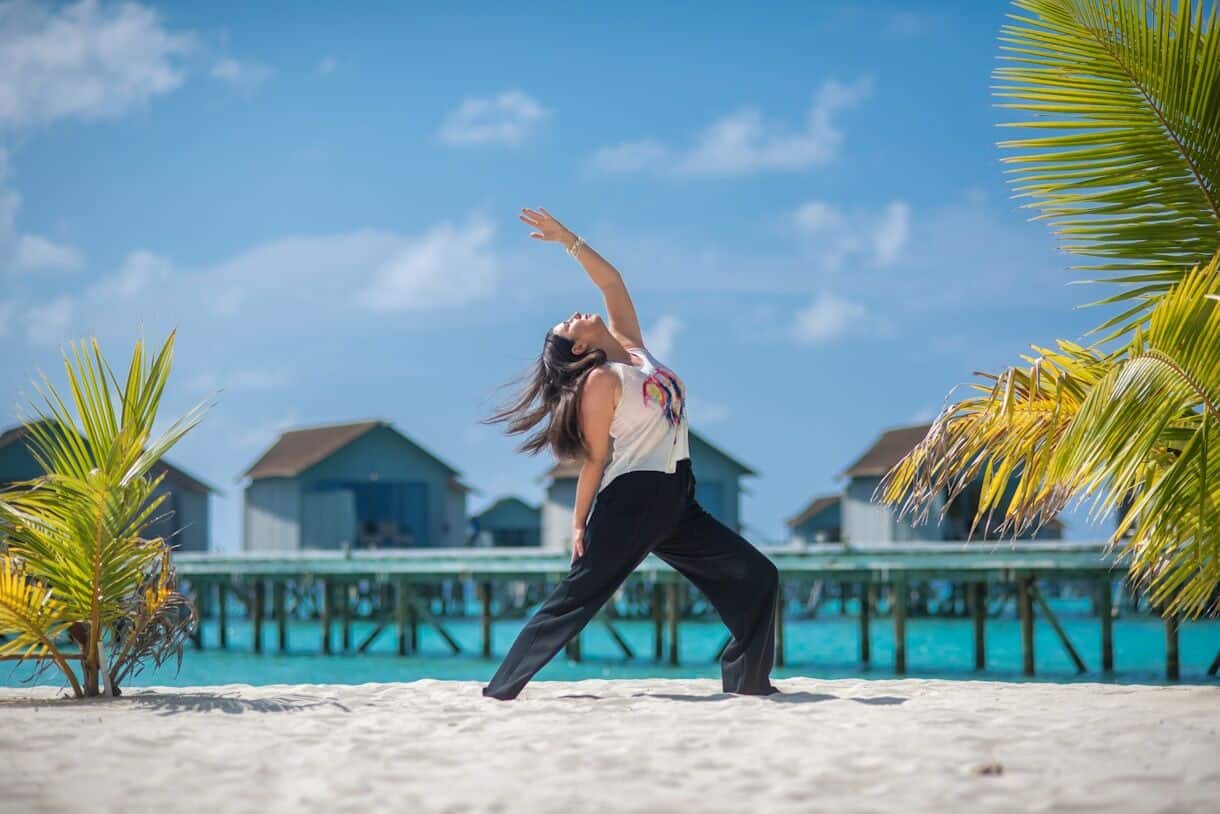
A wellness retreat is built around the idea of leaving more rested than you arrived. The category covers a wide range, from low-key spa hotels to structured programs with daily yoga, dietary protocols, and treatments scheduled out across the week.
A few common sub-types:
- Spa-focused stays, where you’ll spend your time on massage, sauna, and pool. Hungary, Iceland, and Japan all have strong traditions in wellness, and many of their spa towns have operated for centuries.
- Yoga and meditation retreats are typically a week or longer, with daily practice and often a vegetarian meal plan. Bali, Sri Lanka, and rural India are the biggest hubs.
- Detox and medical wellness, which can include fasting protocols, nutrition consultations, and various kinds of body work. Thailand, Austria, and Switzerland host a lot of these.
- Hot springs travel, particularly Japanese onsen towns, the thermal baths in Budapest, or the geothermal pools in Iceland.
Wellness retreats work best as standalone trips. You can stack a few days in a city after the retreat, but combining an intensive program with heavy sightseeing tends to undermine the point.
2. Cultural Immersion
Cultural immersion travel is built around understanding a place in some depth rather than checking off its famous sights. The pace is slower than a typical tourist itinerary, the focus is on context rather than coverage, and the trip usually involves staying in one place longer than you think you should.
Practical ways to do this well:
- Stay in residential neighborhoods rather than hotel districts. You’ll see how the city works and eat in places that aren’t priced for tourists.
- Take a class. Cooking classes are the most common, but ceramics, language, music, and dance classes are all available in most cities and can be a great window into the culture, kind of like an immersive museum tour.
- Eat at the same place twice – or try the same types of food at multiple restaurants or food trucks, like sampling breakfast tacos around Austin.
- Use public transit. Living temporarily in a city means you have a little time to figure out the bus or metro system.
- Read before you go. A novel set in the place, a history of the country, or a memoir by a local writer will help you understand the destination beyond the guidebook.
3. Hiking and Trekking
Hiking trips are the most logistically demanding of the major travel categories. The trip is structured around a specific route; the weather and season matter more than for most other travel, and the planning has to happen further in advance, especially for popular trails with quota systems.
The Inca Trail is the classic example of why planning matters. Inca Trail Permits are capped at a set number per day, including porters and guides, and they routinely sell out four to six months in advance for the high season from May through September. The trail also closes every February for maintenance. If you decide in March that you want to walk the trail in July, you’re already too late. You’ll either need to take the train to Machu Picchu instead or consider alternative routes.
Other major treks with similar planning windows:
- The Tour du Mont Blanc is a 10-day loop through France, Italy, and Switzerland. Refuges book up months ahead for July and August.
- Kilimanjaro, in Tanzania. Less competitive on permits but requires a licensed operator and careful acclimatization planning.
- Everest Base Camp, in Nepal. Best done in October-November or March-April, with permits and teahouse reservations recommended in advance.
- The Camino de Santiago, in Spain. Less regulated, but the popular French Way fills up in summer, and the albergues operate on a first-come basis that gets competitive.
- The Overland Track, in Tasmania. Requires booking from October through May.
A trekking trip is one of the most rewarding kinds of travel, but it asks for honest fitness preparation – the biggest reason people have miserable hiking trips is underestimating the physical demand. Build up to the trail you’re booking, not the other way around.
4. Active Sports and Adventure
Active sports travel covers any trip in which physical activity is the primary reason for going. The category is broad, but the planning principles are similar: pick the activity first, then the destination, then the season.
The big sub-categories:
- Skiing and snowboarding. The Alps, Japan’s Hokkaido and Tohoku regions, and the Rocky Mountains in North America are the major destinations. Japan, in particular, has become the global benchmark for powder skiing.
- Water sports. Surfing in Indonesia, Costa Rica, or Portugal. Kitesurfing in Tarifa or Cabarete. Sailing in Croatia or the British Virgin Islands.
- Diving. The Red Sea (Egypt), the Maldives, Indonesia’s Raja Ampat, and the Philippines all rank among the world’s top dive destinations.
- Cycling. France during and after the Tour de France routes, Mallorca for road cycling, Vietnam for long-distance touring, and Slovenia for mountain biking.
- Climbing. Kalymnos in Greece, El Chaltén in Argentina, and Yangshuo in China are the major hubs for sport and trad climbing.
Active sports trips work best when you build in margin for weather and rest. Booking back-to-back days of demanding activity sounds great until you’re too tired or sore to enjoy it. Two on, one off is a reasonable template for most physically intensive trips.
5. Luxury Travel
Luxury travel isn’t about spending as much money as possible. It’s about a specific kind of experience: high service standards, well-designed spaces, careful attention to detail, and the ability to do less because someone else has handled the logistics.
The category breaks down into a few common formats:
- Resort luxury, typically all-inclusive, in beach destinations. The Maldives, Seychelles, French Polynesia, and the upper-end Caribbean properties are the standard.
- Safari luxury, particularly in East and Southern Africa. Lodges in Botswana, Kenya, and Tanzania run from comfortable to extraordinary.
- City luxury, centered on hotels with strong local history. Check out the Connaught in London, the Aman properties in Tokyo and Kyoto, and the Cipriani in Venice – the room is part of the experience.
- Train luxury, including the Belmond Royal Scotsman, the Rovos Rail in southern Africa, and the Eastern & Oriental Express in Southeast Asia.
- Yacht and small-ship cruising, which gets you to places larger ships can’t reach with a higher service ratio.
A luxury trip rewards specificity – generic resorts are mostly interchangeable. The properties that make luxury travel worth the cost are the ones with a distinct sense of place, a strong food program, and staff who’ve been there long enough to know what their guests are really looking for in their experience.
A Few Other Travel Types Worth Knowing About
Beyond the five main styles of travel, a handful of others are worth considering depending on what you’re after:
- Food-focused travel, built around regional cuisine. Lyon, Tokyo, Bologna, Oaxaca, and San Sebastián are some of the best cities to plan an entire trip around eating.
- Road trip travel, where the route is the experience. The Pacific Coast Highway, the Ring Road in Iceland, and the Great Ocean Road in Australia are the iconic examples.
- Rail travel, which is having a quiet resurgence. Japan’s shinkansen network, the Swiss railway system, and Amtrak’s long-distance routes all let you cover serious ground without flying.
- Volunteer and skill-share travel, where the trip is built around contributing to a project rather than sightseeing – work with reputable organizations only.
- Slow travel, which isn’t really a category so much as a pace. The goal is to stay in one place for weeks rather than days and let the trip unfold.
How to Pick
The honest answer to which type of trip to take is: figure out what you actually want, not what sounds impressive! If you’re tired, you want a wellness retreat or a slow stay somewhere quiet, not a packed cultural itinerary. If you’ve been sedentary and want a challenge, plan a hiking trip months in advance and start training now. If you have a specific cuisine you’re obsessed with, build the trip around that and let the sightseeing be a bonus.
Happy Travels!
Featured image by Margaret Young on Unsplash
FOLLOW US ON INSTAGRAM


Information published on this website and across our networks can change over time. Stories and recommendations reflect the subjective opinions of our writers. You should consult multiple sources to ensure you have the most current, safe, and correct details for your own research and plans.